Discovering Hérault: a practical guide
Hérault brings together a Mediterranean coast, vineyards, gorges and caves, a lake of red rock and characterful villages. The climate is mild, and the département can be visited almost all year round.
This practical guide helps you choose your stops and organise your trip. Underlined site names link to their detailed pages.
Understanding Hérault in a few minutes
The département runs from the sea to the foothills of the Massif Central. On the coast, Sète, Béziers and Cap d'Agde. In the centre, Montpellier, with the Musée Fabre and the Jardin des plantes de Montpellier. To the north, the Pic Saint-Loup, the Cirque de Mourèze, the Lac du Salagou and the Héric gorges. In the north-west, Minerve and Olargues.
Distances are short, but mountain roads are slower. Montpellier is an ideal base from which to explore.
- Choose Montpellier as your base.
- Plan on having a car for the north of the département.
- Avoid the Cap d'Agde beaches in August.
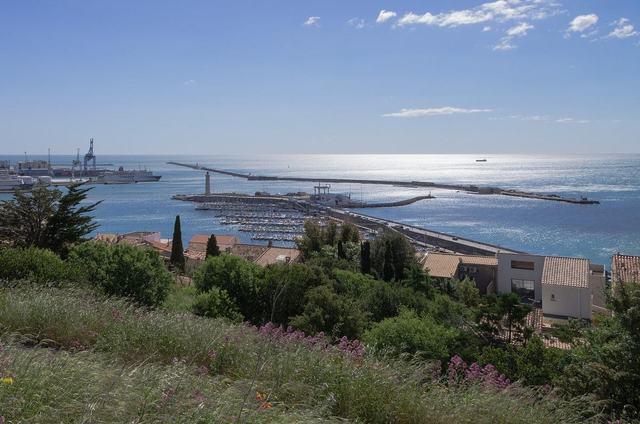
Sète
Mediterranean port built on the slopes of Mont Saint-Clair, criss-crossed by canals that earn it the nickname "Venice of Languedoc", birthplace of Georges Brassens.
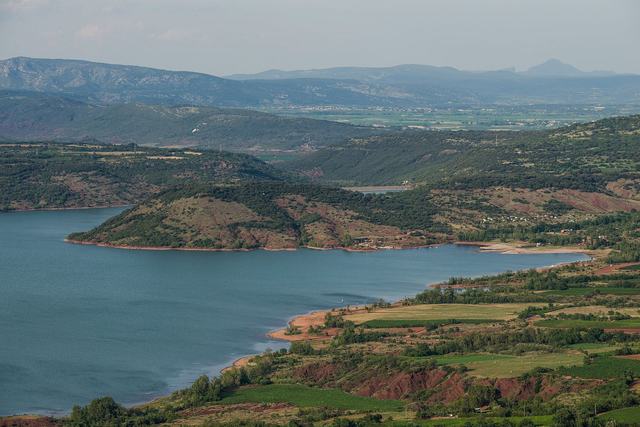
Lac du Salagou
A reservoir lake with blue water ringed by hills of dark red argillite, the famous "ruffes" of the Lodévois, a volcanic and lunar landscape unique in the Hérault.
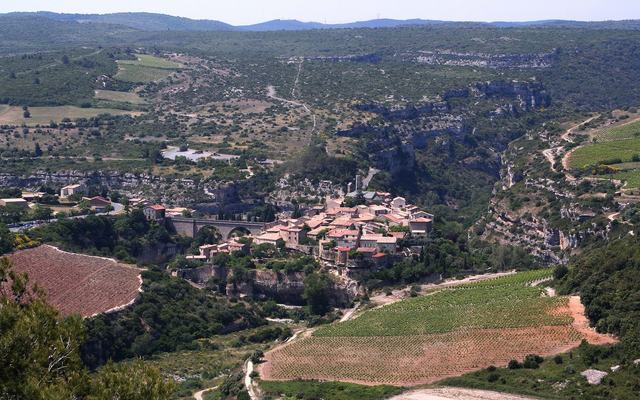
Minerve
At the exit of the gorges of La Cesse and the Briant, where the waters of the two rivers meet, Minerve appears at the end of a limestone plateau bordered by steep cliffs in a fantastic mineral and tormented landscape.
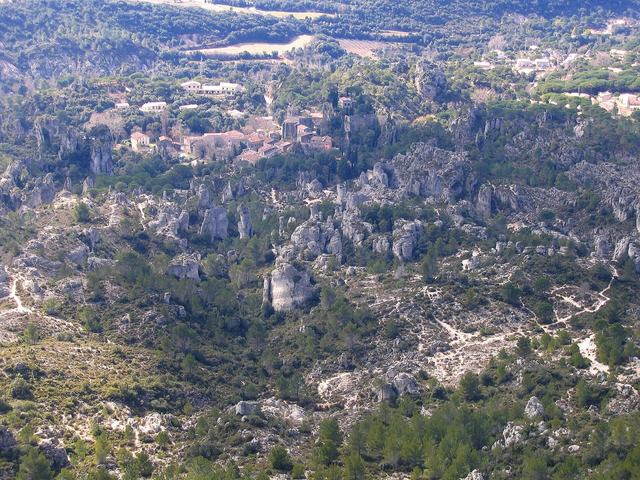
Cirque de Mourèze
This natural limestone formation, which gave its name to cliffs in the Alps of northern Italy, is found west of Clermont-l'Hérault.
Culture, history and heritage
The heritage is varied. In Montpellier, the Musée Fabre is one of the great provincial museums. The Musée international des arts modestes is in Sète. Abbeys and castles such as Abbaye de Valmagne, Château de Flaugergues, Château d'O, Château de la Piscine and Château des archevêques de Narbonne tell the local story.
The old bridges are remarkable: Pont du Diable (Saint-Jean-de-Fos), Le Pont du Diable à Olargues and Le Pont Ambroix ou Pont d'Ambrussum. Minerve is a Cathar village perched on a spur.
- The Musée Fabre closes one day a week.
- Book abbeys in advance in summer.
- At Minerve, park at the entrance to the village.

Musée Fabre
The Musée Fabre is Montpellier's main art museum, opened to the public in 1828 following a donation by Baron François-Xavier Fabre (1766–1837), Officer of the Legion of Honour, painter and collector, made to the city of Montpellier and accepted by the mayor in January 1825, after a…
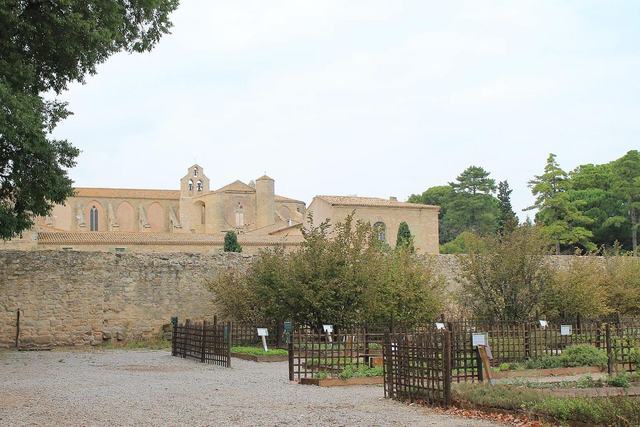
Abbaye de Valmagne
A Cistercian abbey of the twelfth and fourteenth centuries. Church inspired by the great northern cathedrals, charming shaded cloister adorned with a griffin fountain.
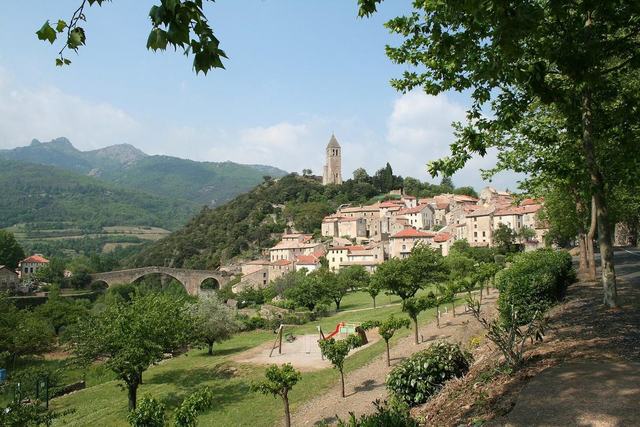
Olargues
The site of Olargues was occupied as early as Roman times.

Château de Flaugergues
Built at the end of the seventeenth century, Flaugergues is one of those dwellings called "follies" built in the Montpellier countryside. "Houses in the foliage", they are the work of a new aristocracy enriched in the king's service.
Food and local produce
Hérault cooking is Mediterranean: Bouzigues oysters, Sète tielle (octopus pie), brandade, sweet onions and Lucques olives. The département is a major wine region: Pic Saint-Loup, Faugères, Saint-Chinian, Picpoul de Pinet and Terrasses du Larzac.
The markets of Sète and Montpellier are good places to taste. Cellars offer tastings in many villages.
- Taste the Bouzigues oysters on the spot.
- Nominate a driver for the cellars.
- Try the Sète tielle in a local bakery.
Sète
Mediterranean port built on the slopes of Mont Saint-Clair, criss-crossed by canals that earn it the nickname "Venice of Languedoc", birthplace of Georges Brassens.
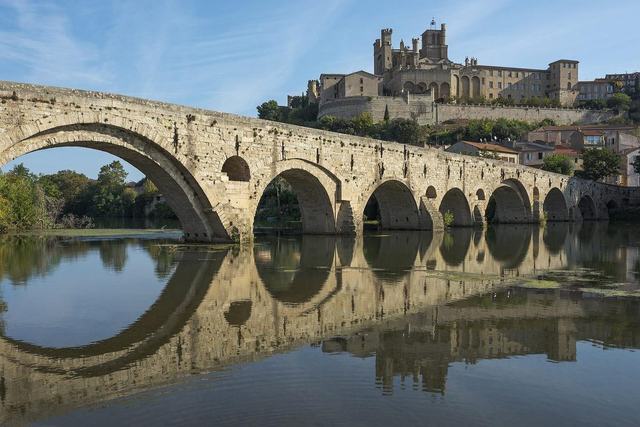
Béziers
The oldest town in France, dominated by its fortified cathedral of Saint-Nazaire that overlooks the Orb and its nine-arched medieval Old Bridge.
Olargues
The site of Olargues was occupied as early as Roman times.
Nature and wide open spaces
The landscapes are spectacular: Lac du Salagou, Cirque de Mourèze, Les Ponts Naturels de Minerve, Ravin des Arcs, Gouffre Cerisier et Gorges d'Héric, Pic Saint-Loup, Lac des Rives. Caves are numerous: Grotte des Demoiselles, Grotte de Clamouse, Grottes de Fauzan, Grotte de Labeil.
For children, the Aquarium Marin du Cap d'Agde is a popular outing.
- At the Salagou you can swim in summer, but check conditions.
- In the caves, bring something warm.
- The gorges call for good shoes.
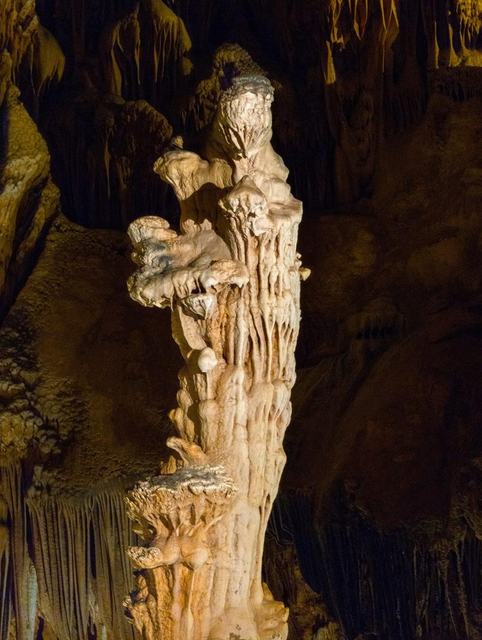
Grotte des Demoiselles
Located not far from the Cirque de Navacelle, this cave is in fact an old aven whose opening is on the Thaurac plateau.
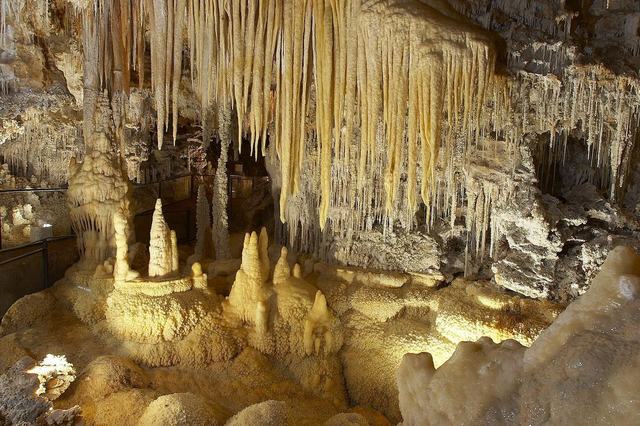
Grotte de Clamouse
CLAMOUSE, a site classified by the Ministry of Ecology and Sustainable Development, is an essential tourist spot, 35 km from Montpellier, in the GRAND SITE de FRANCE of the Hérault Gorges, near the Pont du Diable and the medieval village of Saint-Guilhem-le-Désert.
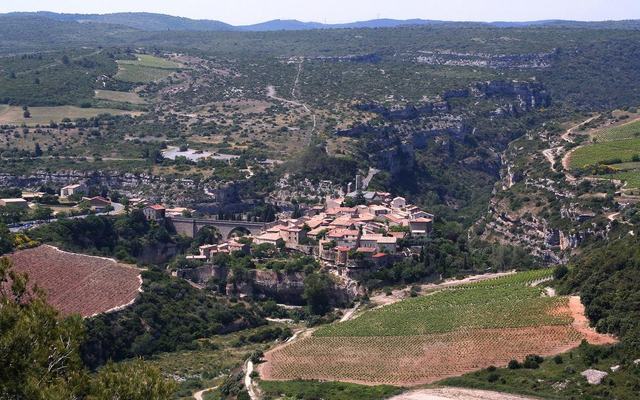
Les Ponts Naturels de Minerve
Listed among the most beautiful villages in France, Minerve is an impressive combination of historic remains and natural beauty.
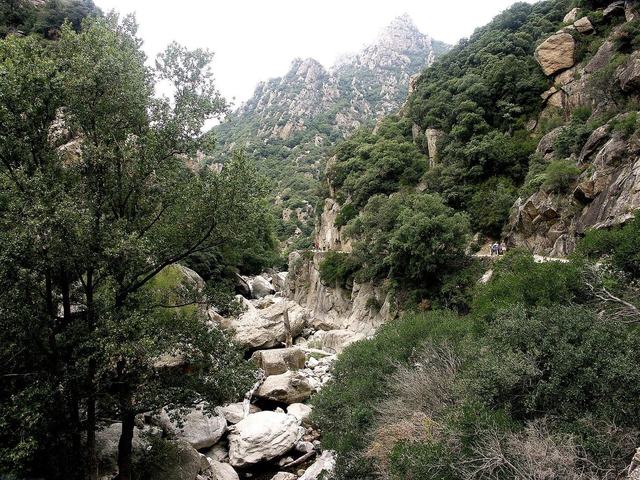
Gouffre Cerisier et Gorges d'Héric
Very deep gorges with limestone needles. The Gouffre du Cerisier is one of the natural pools (gour) carved by the Héric torrent (swimming).
When to go and how to plan
Spring and autumn are the most pleasant. Summer is hot, and the coast is very busy. Winter is mild, with beautiful light.
A car is useful outside Montpellier. Béziers, Sète and Montpellier are well connected by train. A four-day trip can combine Montpellier and Sète, the Salagou and Mourèze, then the caves and Minerve.
- Book accommodation in advance in summer.
- Avoid the gorges in case of storms.
- Bring a layer for the caves.
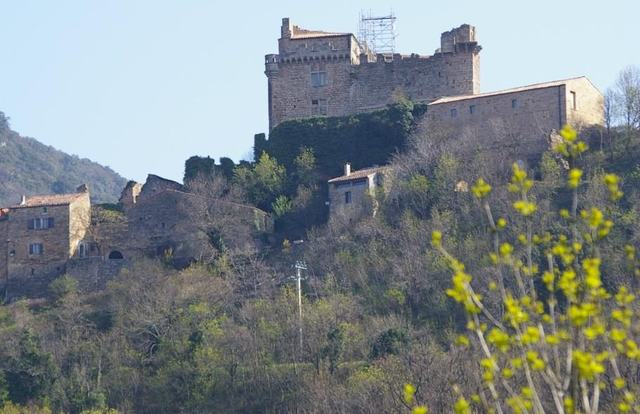
Château de Dio
The history of the château de Dio goes back to Visigothic times, when, in 533, King Theudebert of Austrasia plundered a "castrum", a Visigothic fortress on the very site of the château.
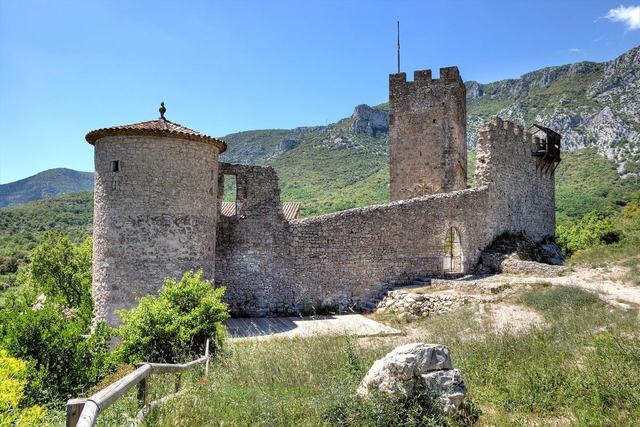
Château de Baulx
Perched on its rocky peak, the château de Baulx overlooks the village. A simple watchtower in the twelfth century, protecting the barony of Pégairolles, the whole underwent various alterations over the centuries.

Château de Castries
Built on the site of a Gothic castle of which nothing remains, from the year 1565, this castle nicknamed "the Versailles of Languedoc" is a Renaissance masterpiece.
Going further
Explore the départements of this area: