Aude: what to see and do
43 sites listed in the département. Dominated by the medieval city of Carcassonne, the Aude combines Cathar heritage, Languedoc vineyards and a still-unspoilt Mediterranean coast. Between the wild Corbières and the UNESCO-listed Canal du Midi, this Occitan département offers a remarkable variety of landscapes.
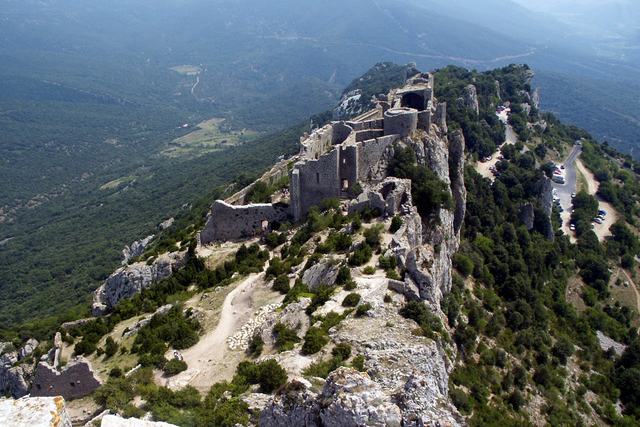
Château de Peyrepertuse
"It is to be known that in the Marches, on this side of the Aragon frontier, is the City of Carcassonne, which is the mother and has five sons, namely Puilaurens, Aguilar, Quéribus, Termes and Peyrepertuse".
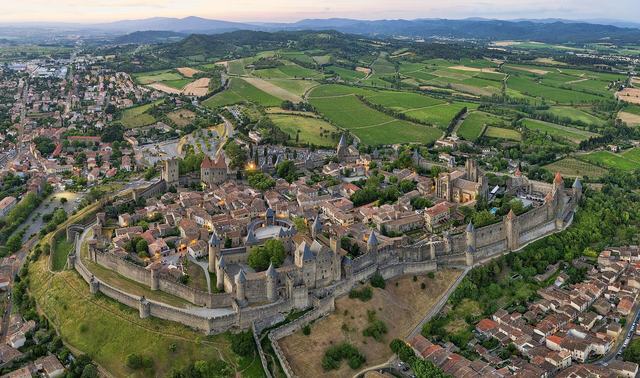
Cité de Carcassonne
A fortified medieval town, with the history of the crusade against the Albigensians, the still-inhabited Cité de Carcassonne lies on the right bank of the Aude.
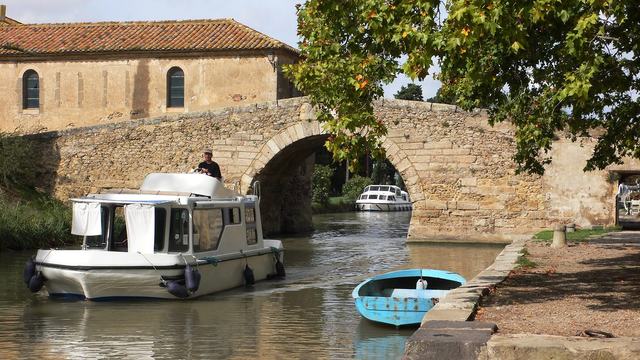
Canal du Midi au Somail
Shaded by its century-old plane trees, the hamlet of Le Somail is one of the most picturesque stops on the Canal du Midi, a seventeenth-century engineering masterpiece listed by UNESCO.
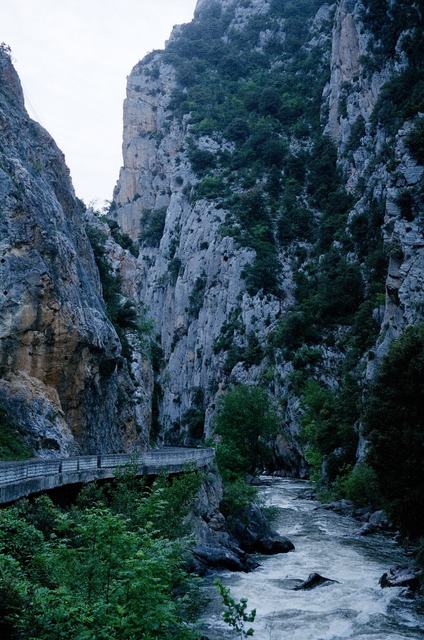
Gorges St Georges et Pierre Lys
The Aude, rushing down the Pyrenees from its source in the Capcir, has carved a series of majestic canyons in the limestone: the Saint-Georges gorges and above all those of Pierre-Lys.

Gouffre de l'Oeil Doux
In the heart of the Massif de la Clape, the impressive Gouffre de l'Œil Doux is discovered in a green setting and offers walkers an unexpected spectacle.
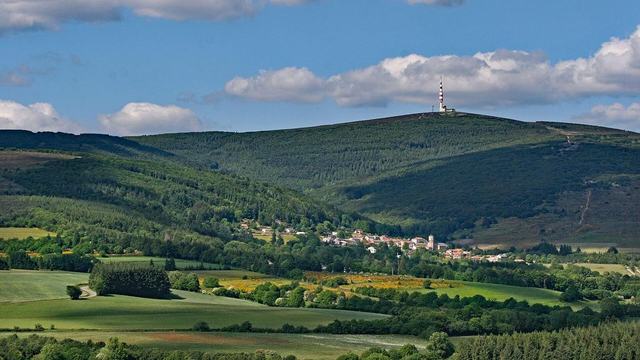
Le Pic de Nore
The Pic de Nore is the highest point of the Montagne Noire (1,210 m), a southern balcony of the Cévennes.
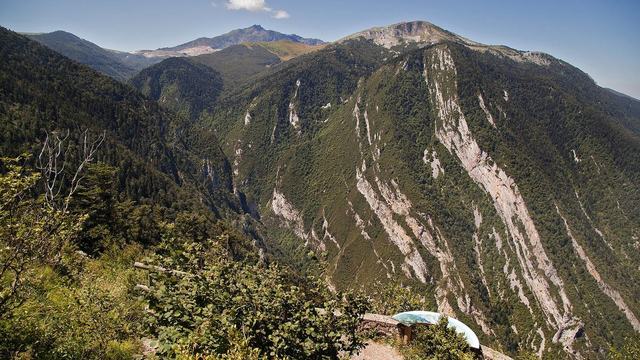
Les Gorges de la Frau
They take their name from the gorges of "fright".

Abbaye Sainte-Marie de Fontfroide
Founded in 1093 by a few Benedictine monks, Fontfroide joined the Cistercian Order in 1145 and quickly became one of the most powerful Cistercian abbeys of Christendom.

Aqualand Port Leucate
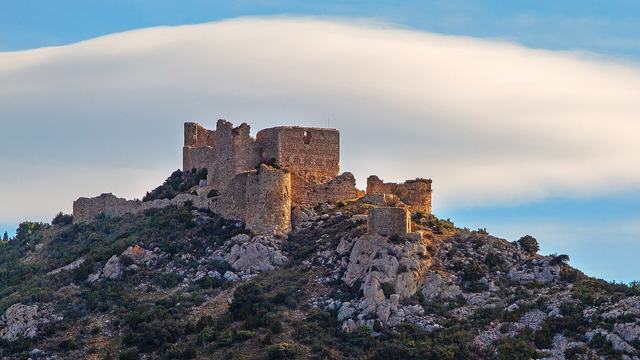
Château d'Aguilar
The ruins of Aguilar castle crown a rocky peak. The oldest part is the polygonal upper enclosure, pointed on the attack side (twelfth century).
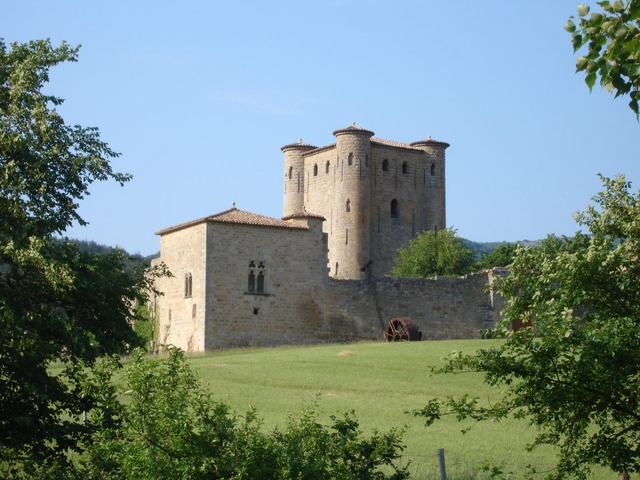
Château d'Arques
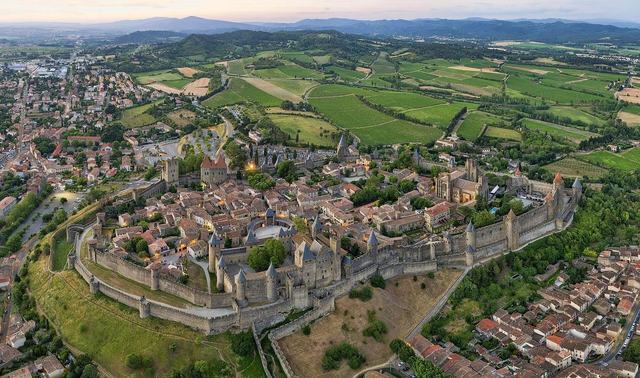
Château de Carcassonne
It is from the modern bridge spanning the Aude that you should discover the city of Carcassonne. And if possible when the setting sun tints with golden-glinting pinkish grey its geometry, both elegant and complex.
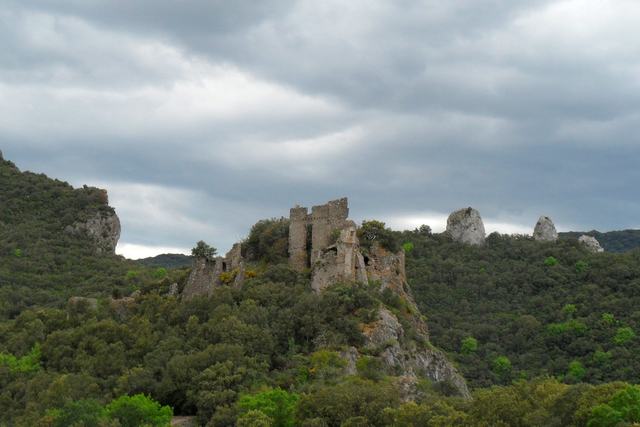
Château de Durfort
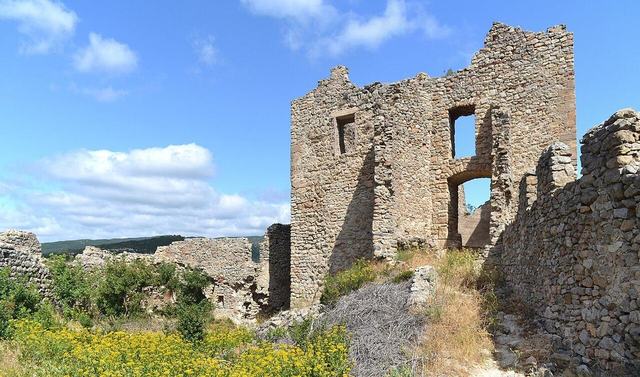
Château de Padern
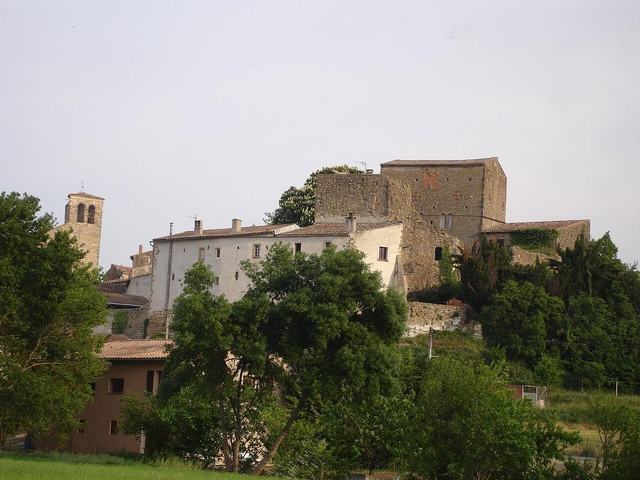
Château de Pieusse
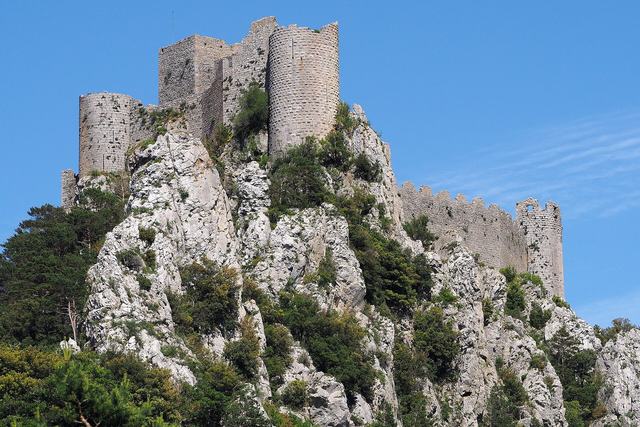
Château de Puilaurens
On the departmental boundary of the Aude and the Pyrénées-Orientales, Puilaurens long remained the southernmost fortress of the kingdom of France.
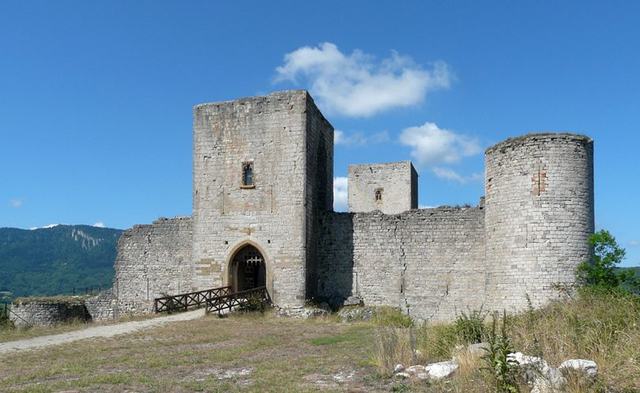
Château de Puivert
At six hundred metres' altitude, on top of the hill overlooking the village to the east, firmly set on its "pech" in the middle of a vast cirque crowned with firs, the feudal castle of Puivert (Puyvert – Puy-Verd) outlines its proud keep and dismantled walls.
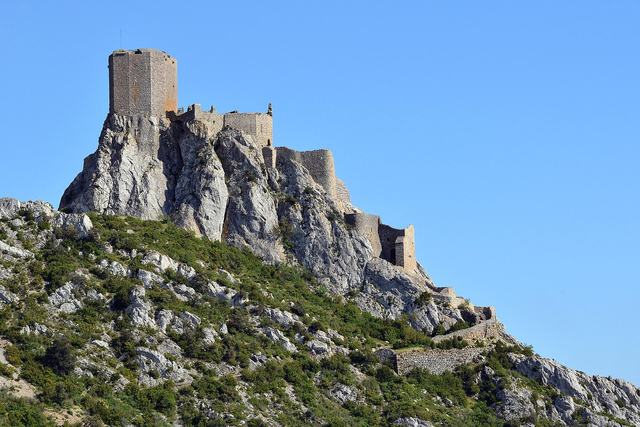
Château de Quéribus
It is in the commune of Cucugnan, a Corbières village immortalised by Alphonse Daudet in the sermon of his famous priest, that Quéribus castle stands.
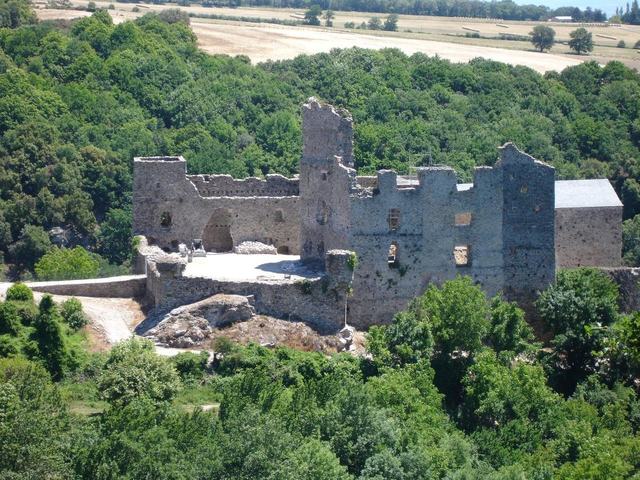
Château de Saissac
In the heart of the Montagne Noire, north-west of Carcassonne, the château de Saissac tiers its terraces before an exceptional landscape barred on the horizon by the Pyrenees chain.
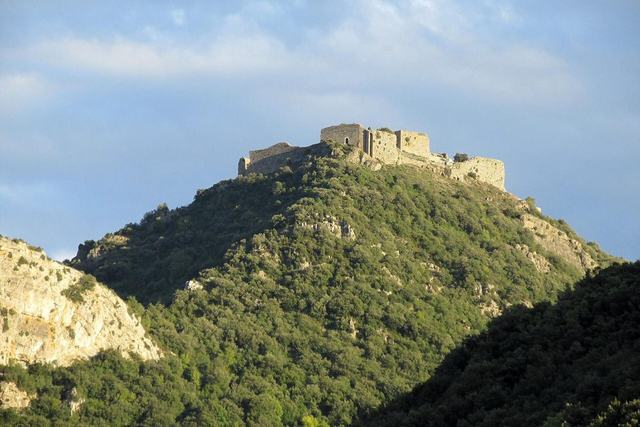
Château de Termes
In this natural site, at 470 m altitude, the castle was one of the most powerful in Languedoc, and ruled over the Termenès, a lordship of about sixty villages.
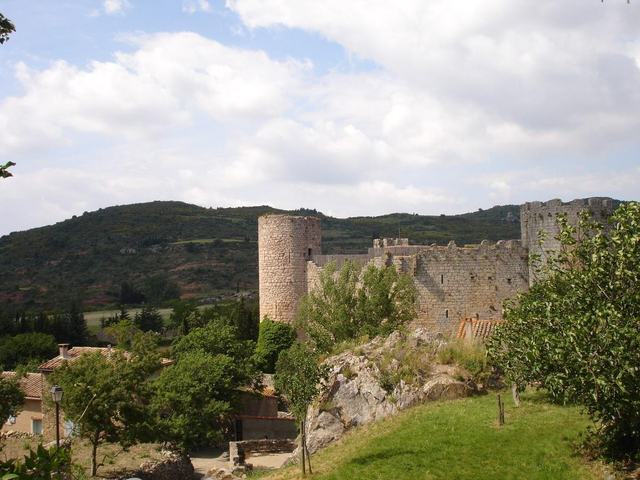
Château de Villerouge-Termenès
About fifty kilometres south-east of Carcassonne, Villerouge-Termenès is the Mediterranean gateway to the Hautes Corbières.
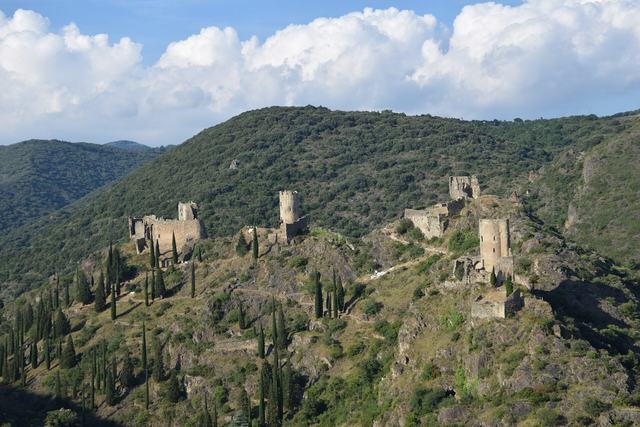
Châteaux de Lastours
A lock on the Cabardès since the early Middle Ages, the Lastours site is an exceptional ensemble with its four castles built at 300 metres' altitude, on top of a rocky spur.
Dinosauria
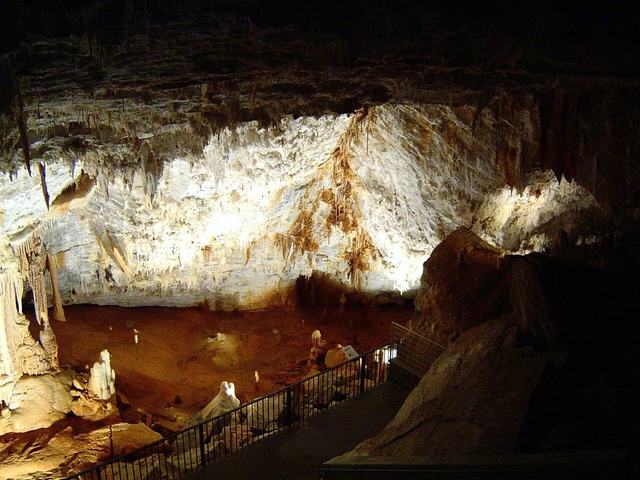
Gouffre de Cabrespine
Overlooking the little village of Cabrespine in the Aude département, near the Pic de Nore, highest point of the Montagne Noire, the Gouffre Géant de Cabrespine is one of the largest caves in the world open to tourism.
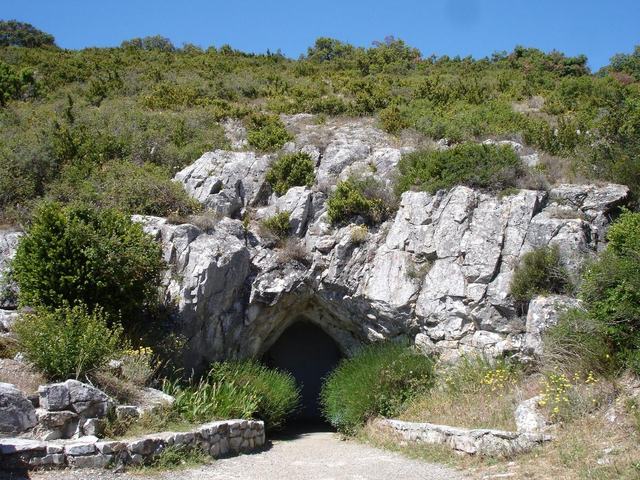
Grotte de Limousis
It is the largest developed cave in the Cathar Aude. This cave has the advantage of offering you, in its particular site, the most beautiful fine concretions that it is currently possible to see in a developed cave: calcite and aragonite crystals, eccentrics, soda straws...
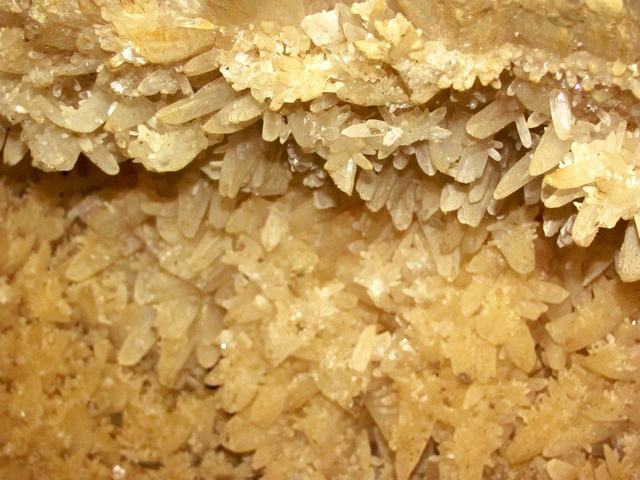
Grottes de l'Aguzou
The cavity is a cave in its natural state without artificial lighting. Visits are made in small groups over a day or half a day.

L'Ensemble Médiéval de Narbonne
La Cascade de Cubserviès

La Réserve Africaine de Sigean
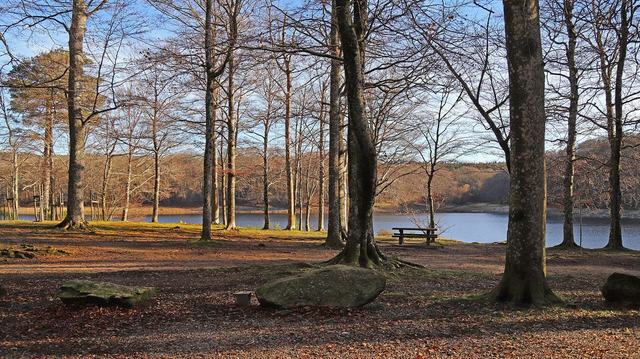
Lac du Lampy
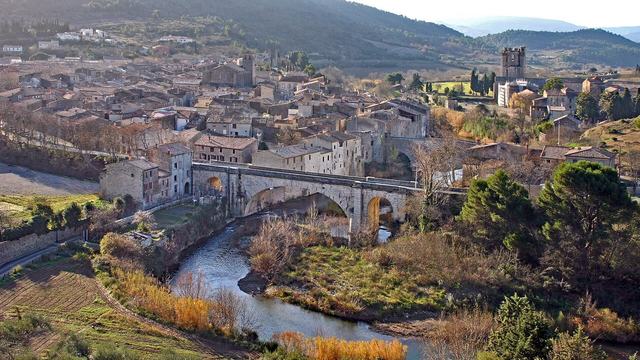
Lagrasse
The abbey of Lagrasse was founded in the eighth century in the Orbieu valley and, located on the Spanish marches of the Carolingian kingdom, played a particularly important role.
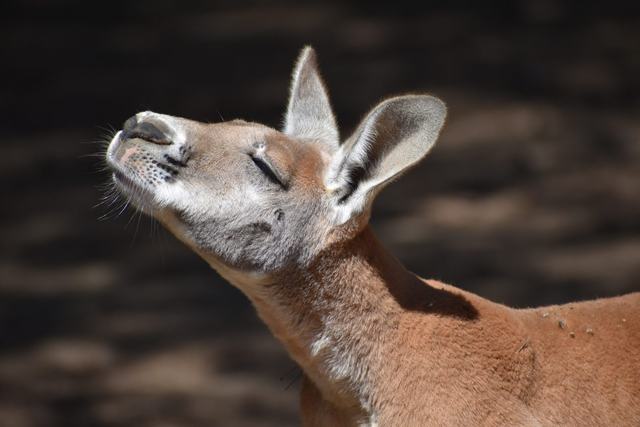
Le Parc Australien
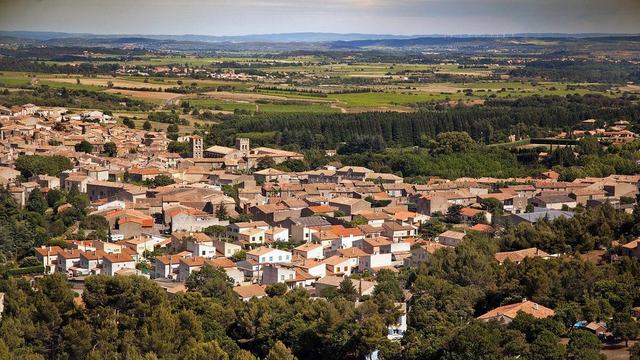
Le village et l'Abbaye de Caunes-Minervois
The village houses a heritage of incredible historical richness: around the bend of medieval lanes you discover façades of mansions from the eleventh to the eighteenth century.
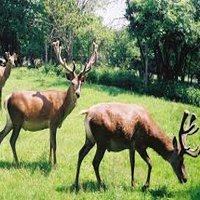
Les Biches de Picarel
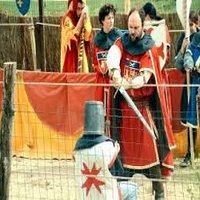
Les Chevaliers du Kercorb Chalabre
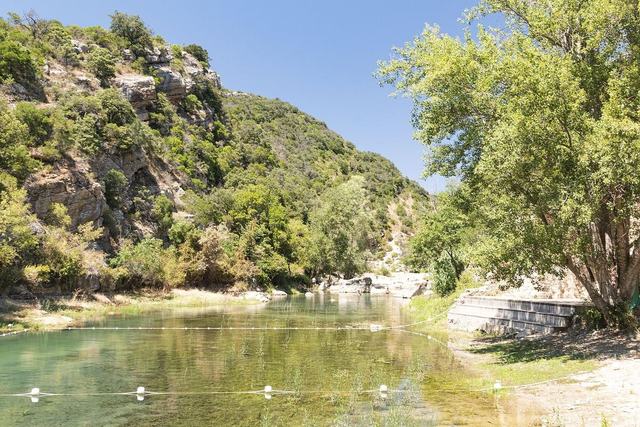
Les Gorges du Verdouble et le Moulin de Ribaute
Near the village of Duilhac-sous-Peyrepertuse, after a short trip along a road lined with vines, the Verdouble gorges, known as "Les Cascades", offer a dazzling spectacle in a picturesque setting.
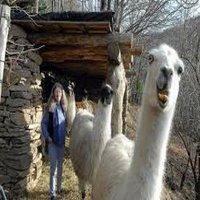
Les Lamas de la Montagne Noire
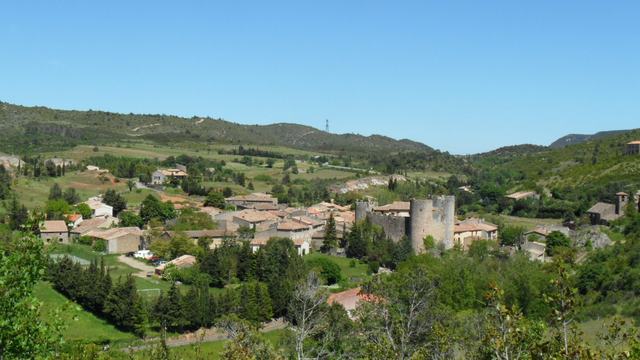
Les cascades de la Nielle à Saint-Laurent-de-la-Cabrerisse
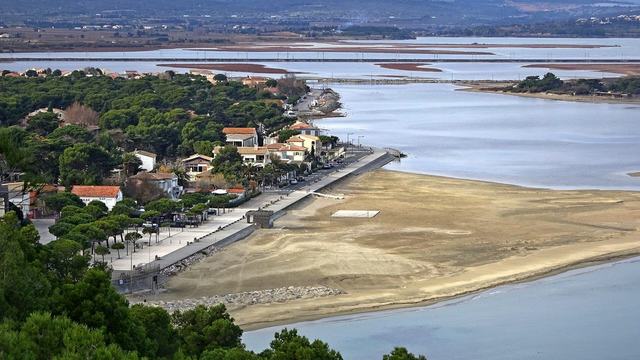
Plage de la Franqui
A seaside resort of Leucate, between the Étang de Salses and the Mediterranean, renowned for wind and gliding sports.

Tour Barberousse

Trou de Crouzade

Gruissan
Built in concentric circles around the remains of a medieval castle, the village of Gruissan nestles between lagoons and the Mediterranean, also famous for its chalets on stilts.
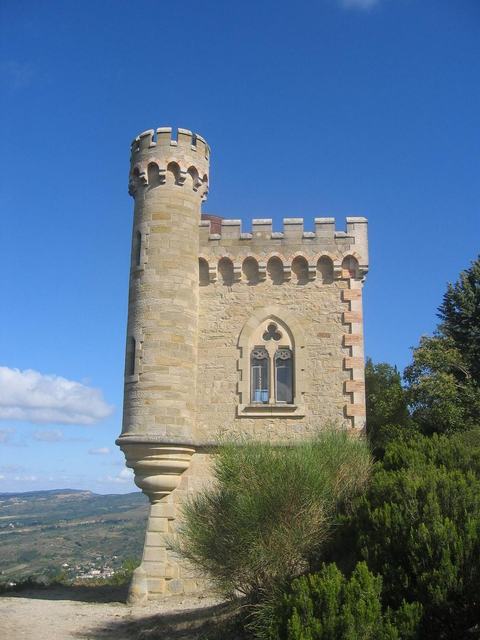
Rennes-le-Château
Made world-famous by the legend of a treasure discovered by its priest Bérenger Saunière, this tiny perched village of the Corbières has inspired many novels and esoteric theories.