1 Château de Nice
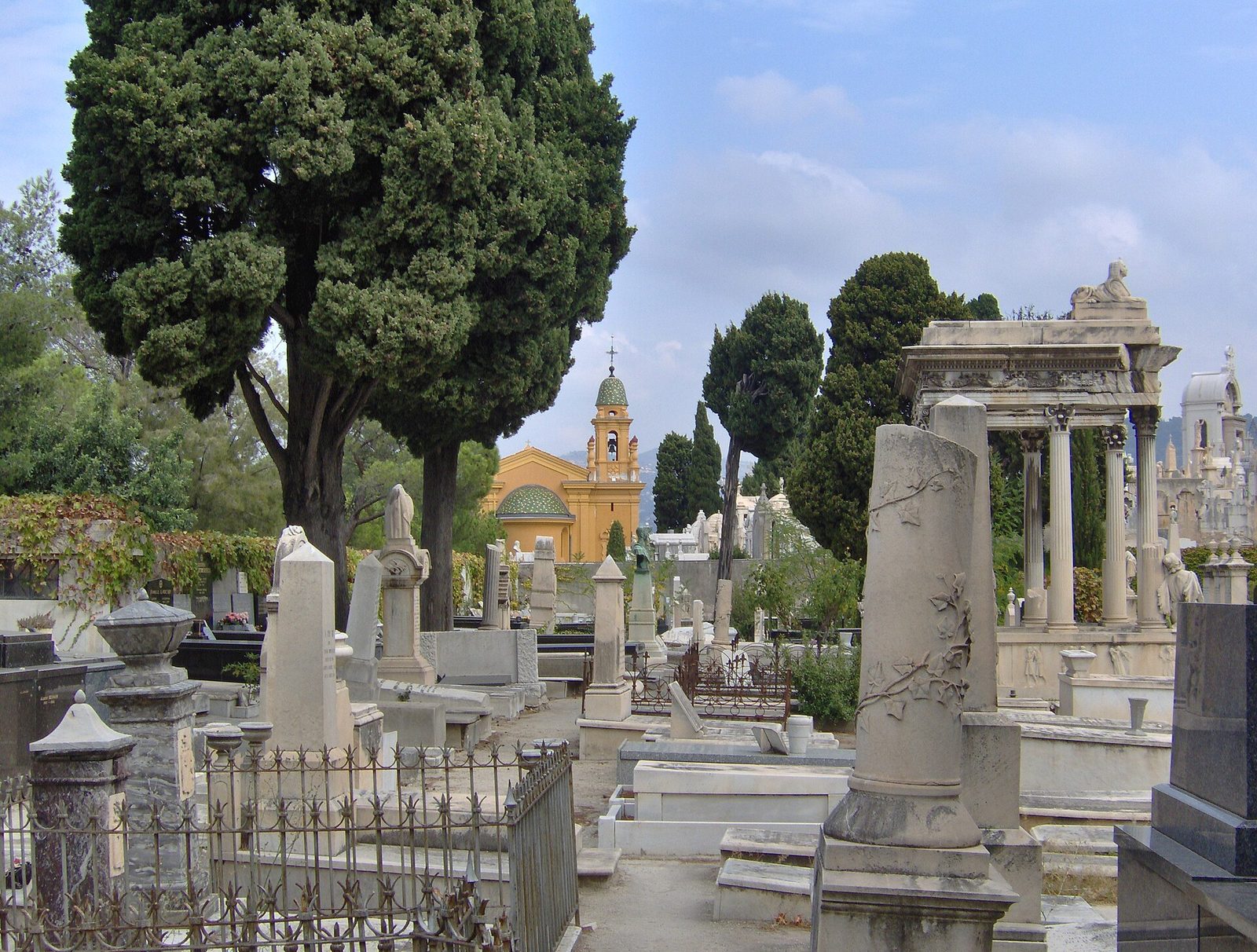
The Castle Hill, an obligatory walk for anyone wishing to discover the town in its setting of hills or enjoy its summer coolness, became this island of greenery only during the nineteenth century.
View full page →Between Nice and the Italian border, the Riviera lines up, over some thirty kilometres, leading museums, dream villas, hilltop villages above the sea and the principality of Monaco. Three days are enough to see the essentials, following the coast from west to east.
The map shows the numbered stops in visiting order, with one colour per day. The line follows the roads where available; otherwise it joins the stops as the crow flies. Distances and times are approximate (by car, without traffic).
Nice: Castle Hill for the view over the Baie des Anges, then two great museums on the heights of Cimiez, devoted to Matisse and Chagall.
The Castle Hill, an obligatory walk for anyone wishing to discover the town in its setting of hills or enjoy its summer coolness, became this island of greenery only during the nineteenth century.
View full page →
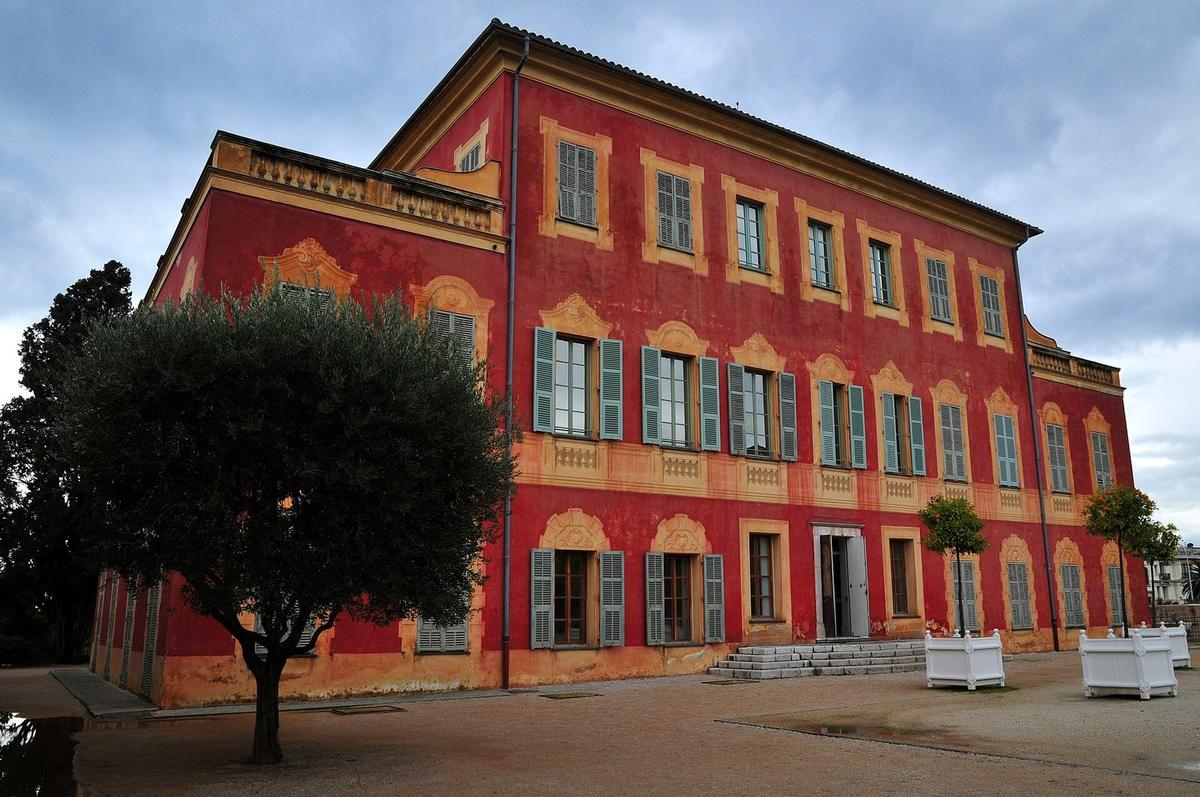
Set on the ancient site of the Nice arenas in a splendid eighteenth-century villa, the Matisse Museum gives a comprehensive panorama of the work of the leader of Fauvism.
View full page →
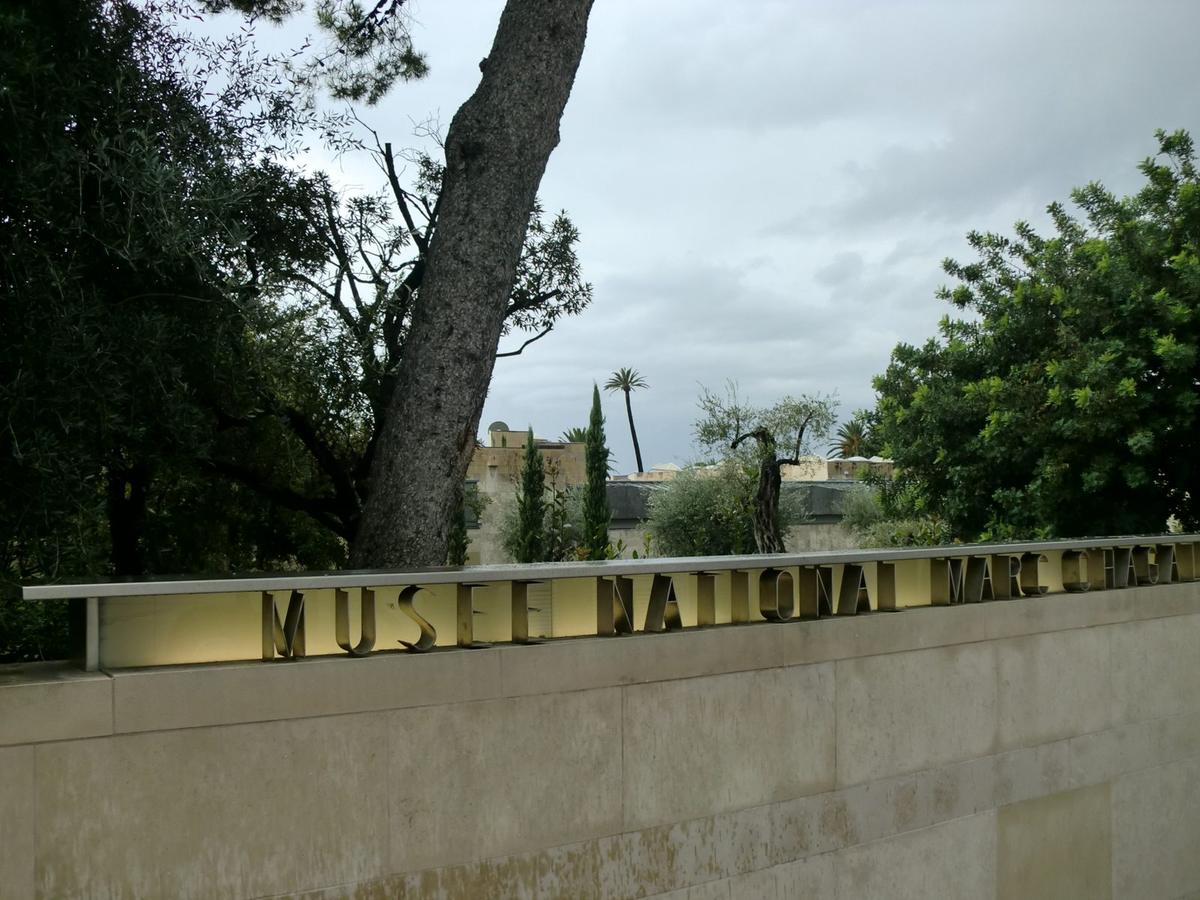
The Marc Chagall Museum, as its name suggests, is devoted to the work of the Belarusian-born painter.
View full page →The corniche between Nice and Monaco: the Villa Ephrussi de Rothschild and its gardens in Saint-Jean-Cap-Ferrat, the Greek villa Kérylos in Beaulieu, then the hilltop village of Èze.
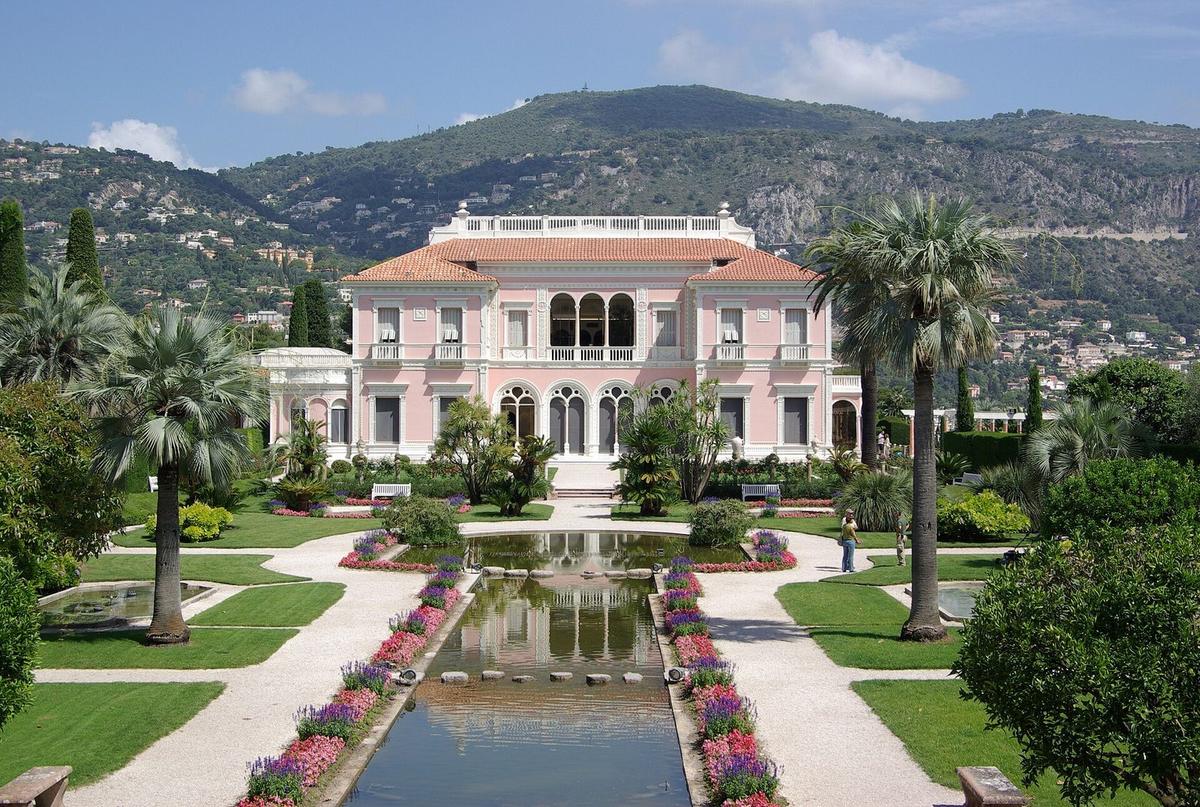
The Villa Ephrussi de Rothschild, also called Villa Île-de-France, is one of the most beautiful Renaissance-style palaces of the Côte d'Azur, built on the summit of Cap Ferrat between 1905 and 1912 at Saint-Jean-Cap-Ferrat by Baroness Béatrice Ephrussi de Rothschild (1864–1934).
View full page →
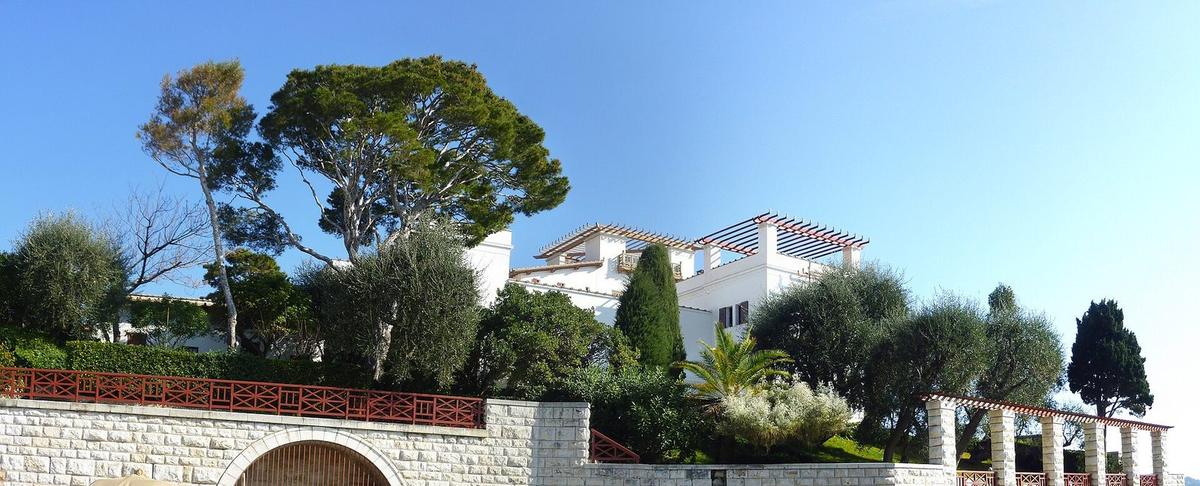
Between Nice and Monaco, the Villa Kérylos is the reconstruction, unique in the world, of a sumptuous palace of Ancient Greece, entirely furnished and decorated.
View full page →
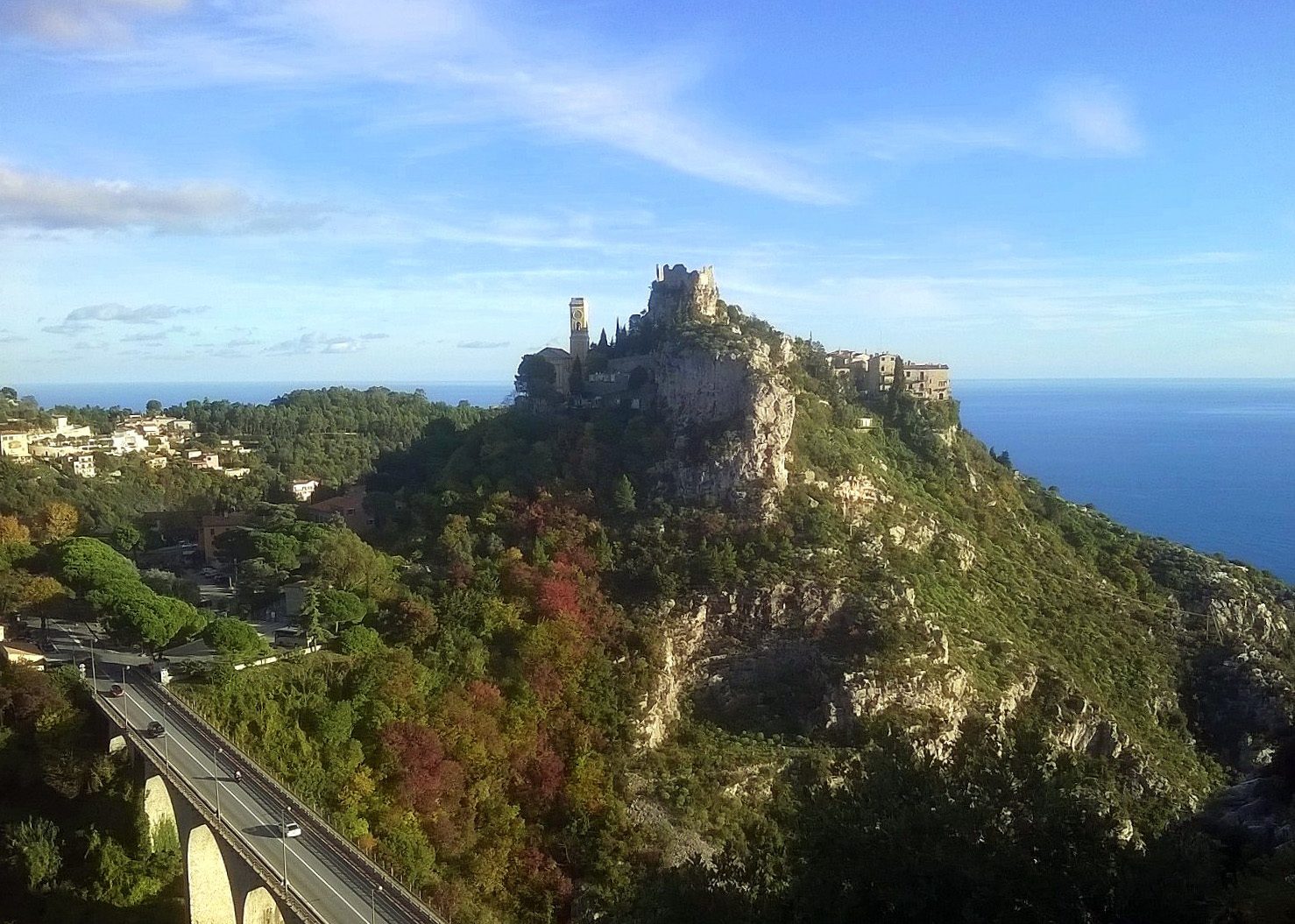
Located just after Nice, going towards Menton, Èze stretches along the sea from Cap Roux to the Pointe de Cabuel. Perched like an eagle's nest at the top of an imposing and superb cliff, you will see the village and its pale ochre church from afar.
View full page →Monaco and its Rock, with the Prince's Palace and the Oceanographic Museum, then the castle of Roquebrune and Menton, the last town before Italy.
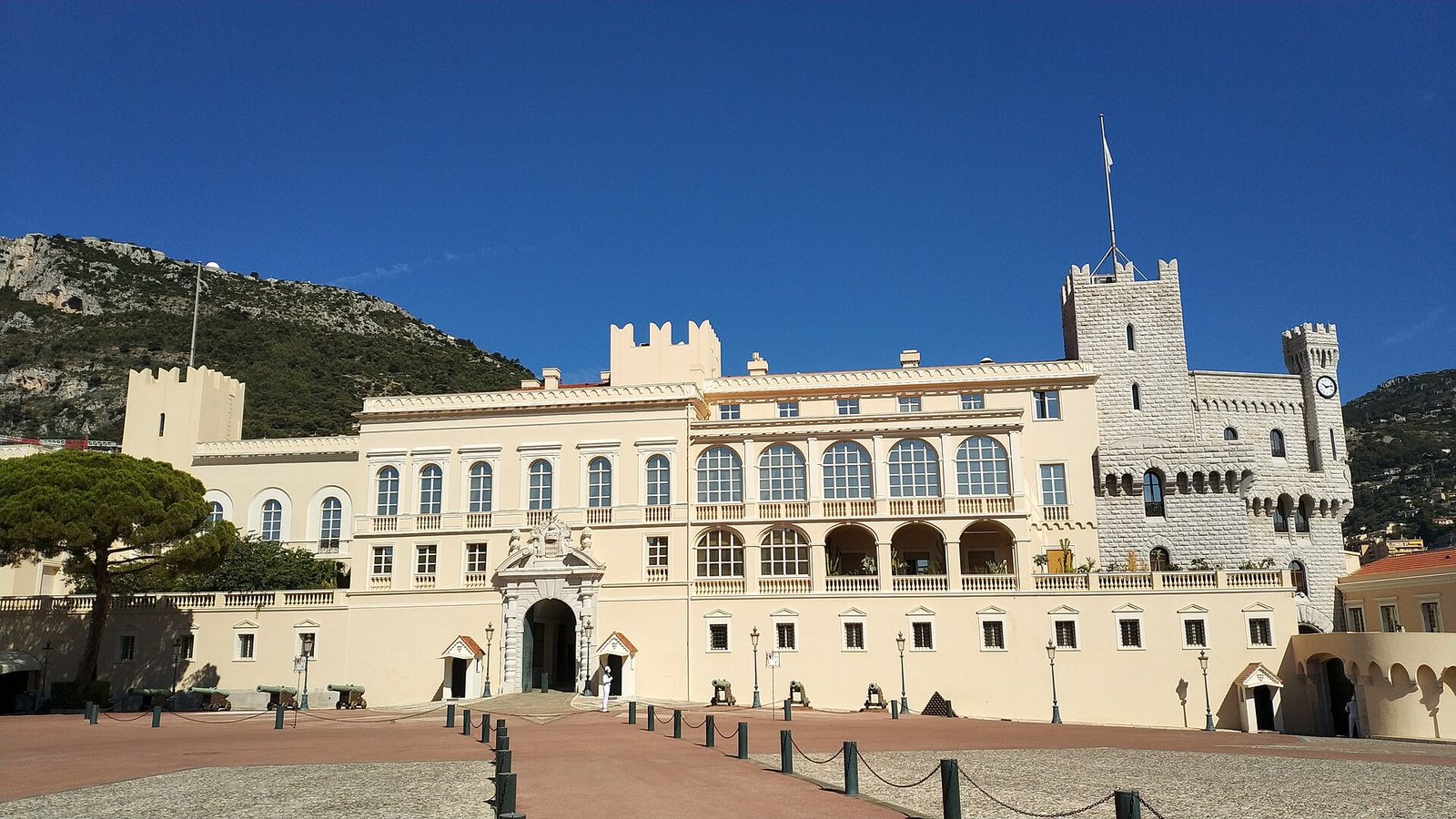
Official residence of the princes of Monaco since 1297, this palace perched on the Rock hosts the changing of the guard every noon, one of the most-watched attractions in the Principality.
View full page →
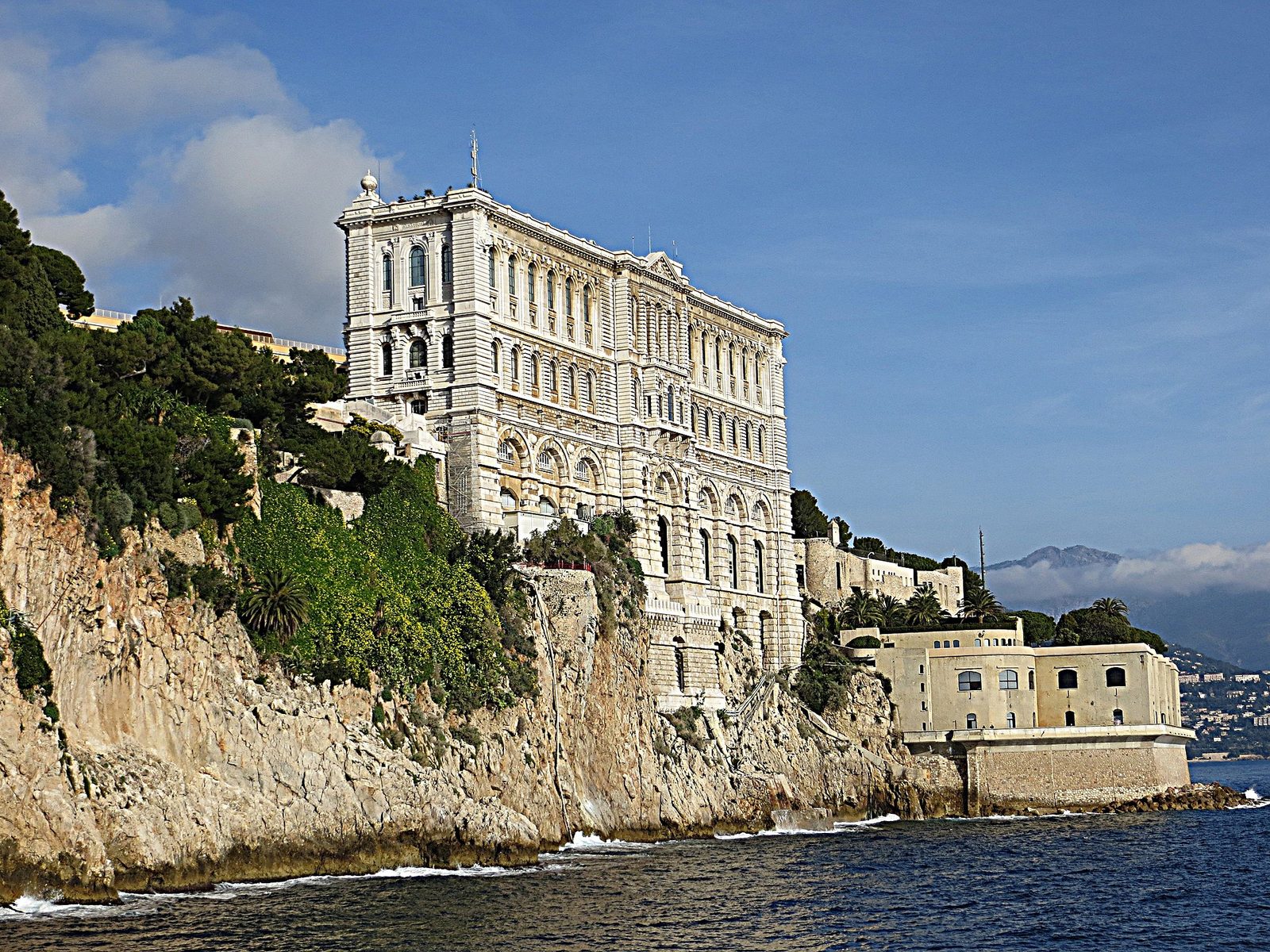
This museum to the glory of the oceans was born of the will of Prince Albert I and was inaugurated in 1910.
View full page →
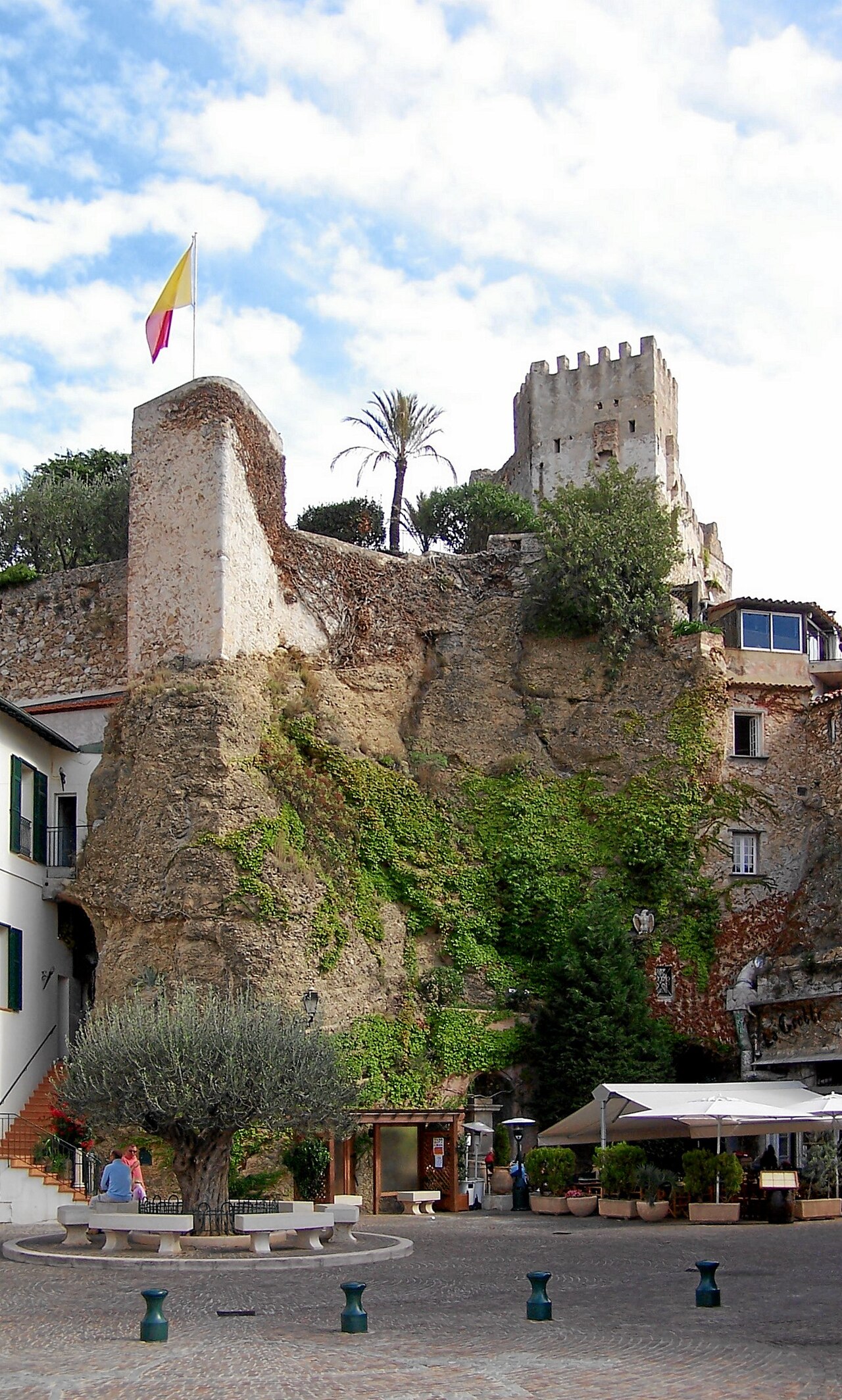
The castle once encompassed the whole village; in the fifteenth century, the village broke away and the keep alone took the name château.
View full page →
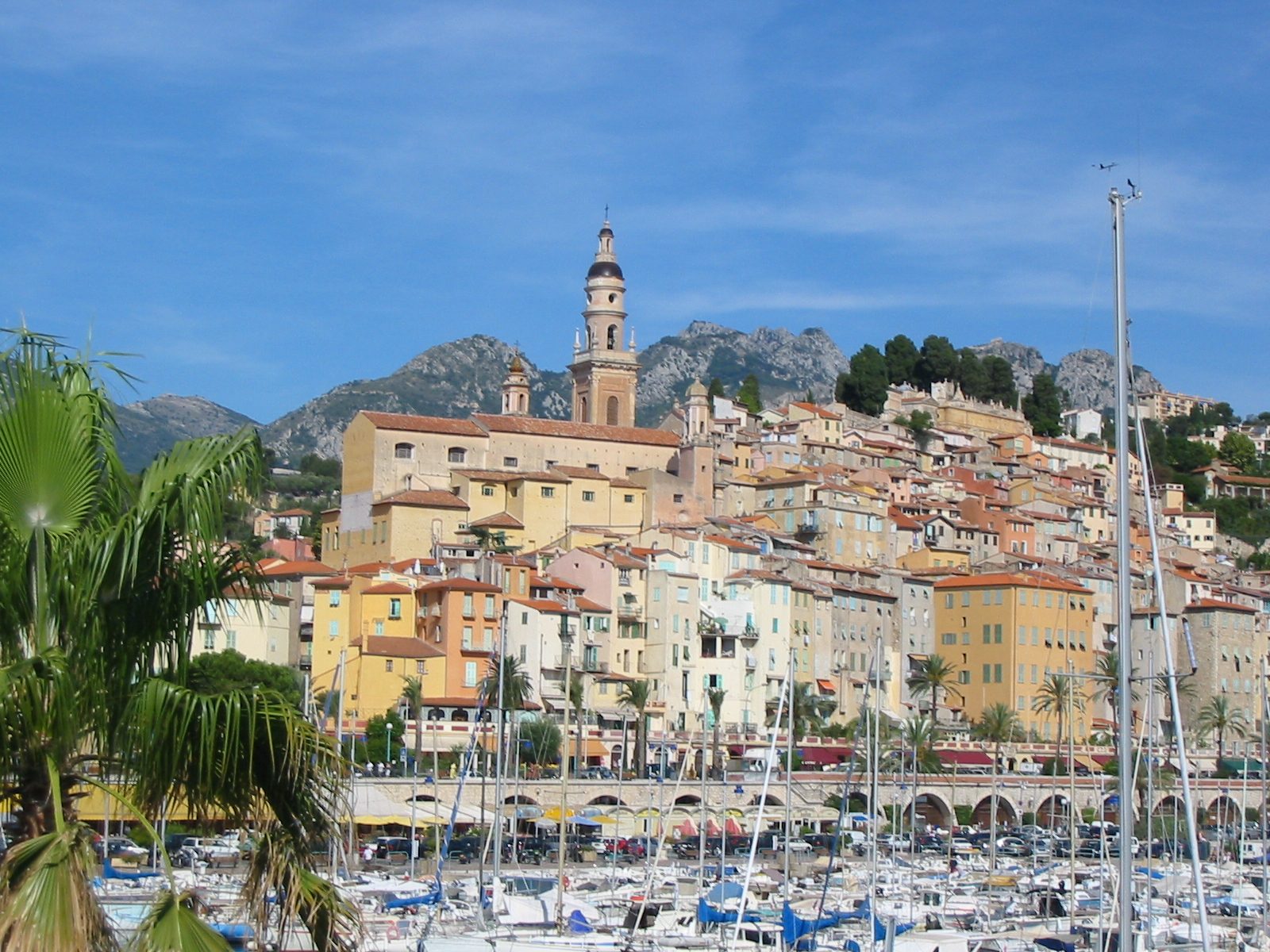
The last French town before Italy, Menton stacks its pastel façades between sea and mountains, famous for its exceptional microclimate and its lemon trees.
View full page →Spring and autumn are the best seasons: it is mild, the light is beautiful and the coast is less crowded than in July and August. Winter remains pleasant on the coast, with the Nice carnival and the Menton Lemon Festival in February.
The TER train runs along the whole coast and stops at Nice, Villefranche, Beaulieu, Èze-sur-Mer, Monaco, Roquebrune and Menton: in high season it is often faster than driving. Buses serve the hilltop villages. A car is only useful for the hinterland.