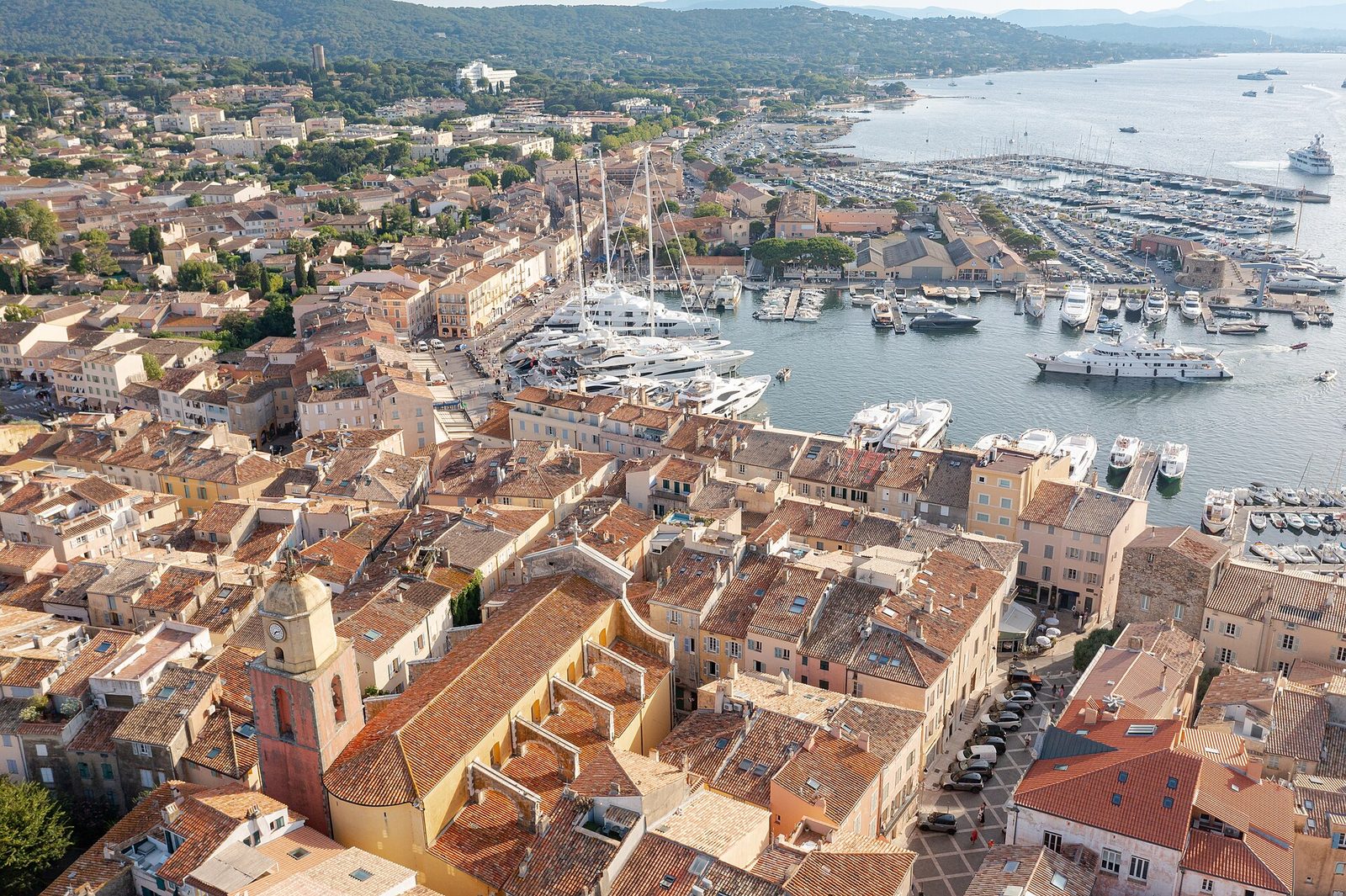
Towns & cities · Saint-Tropez
1 Saint-Tropez
A former fishing village become a worldwide symbol of Mediterranean glamour, dominated by its citadel.
View full page →A legendary harbour, hilltop villages between vineyards and sea, fine sandy beaches and red rocks plunging into the Mediterranean: in three days, the east of the Var brings together glamour and wild nature.
The map shows the numbered stops in visiting order, with one colour per day. The line follows the roads where available; otherwise it joins the stops as the crow flies. Distances and times are approximate (by car, without traffic).
Saint-Tropez, its harbour and lanes, the Gendarmerie and Cinema Museum, then Pampelonne beach.
A former fishing village become a worldwide symbol of Mediterranean glamour, dominated by its citadel.
View full page →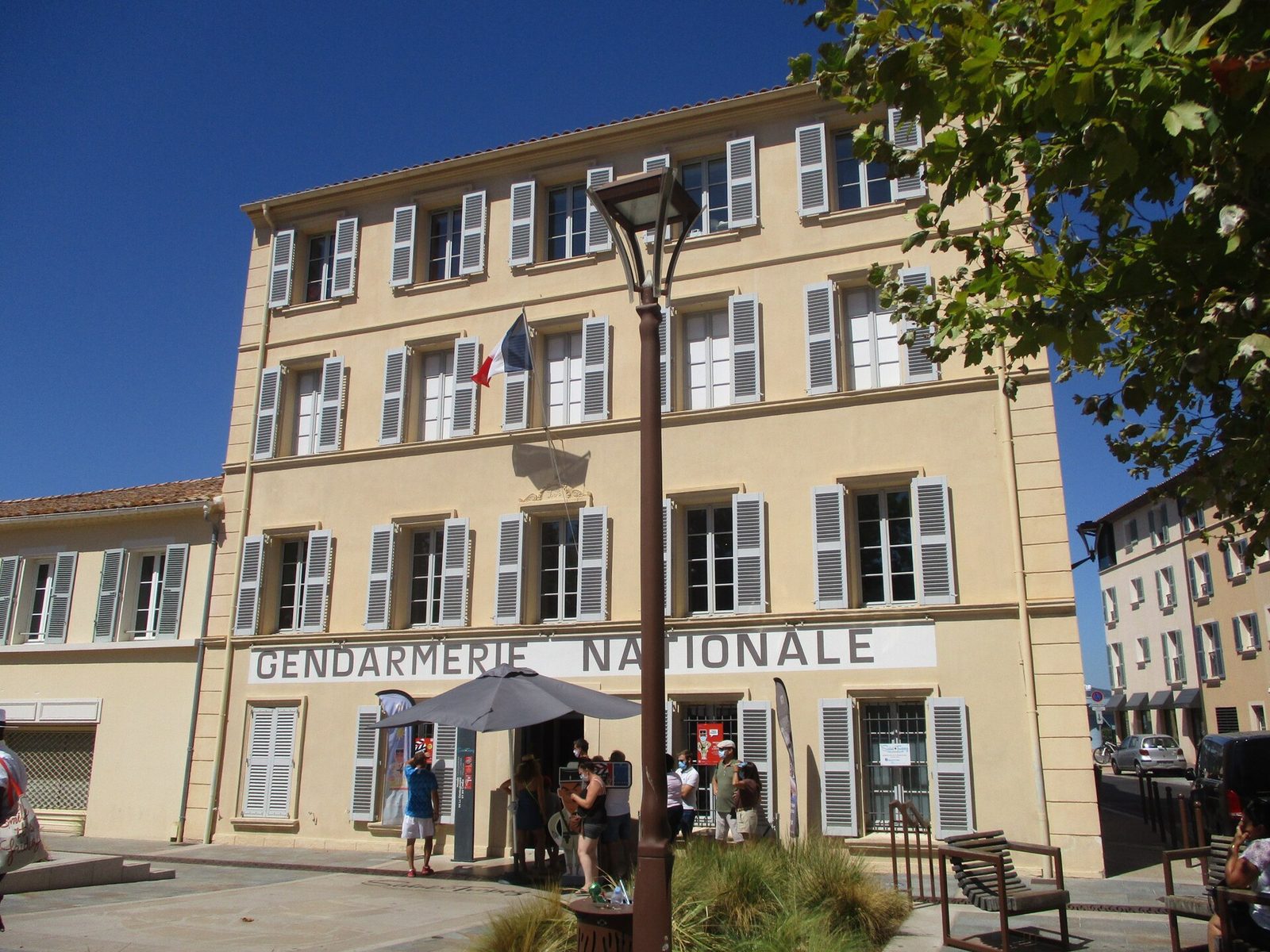
Set up in the former gendarmerie of Saint-Tropez, made famous by the Gendarme film series with Louis de Funès shot there, this museum offers 2 routes, one devoted to the authentic history of this gendarmerie and the other to the history of cinema in Saint-Tropez.
View full page →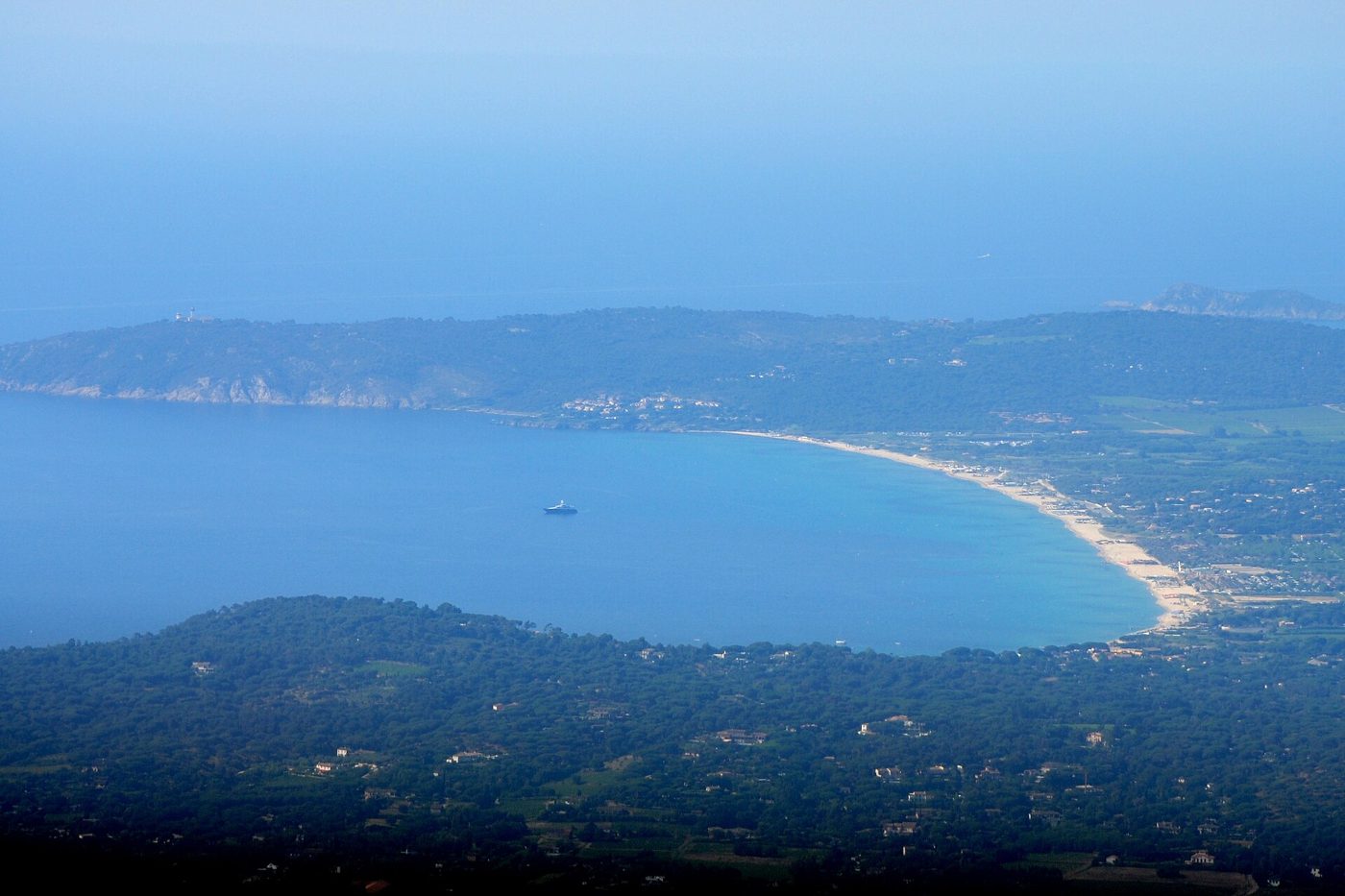
The most famous beach of the Saint-Tropez peninsula, with four kilometres of fine sand.
View full page →The Saint-Tropez peninsula: the hilltop village of Gassin, Escalet beach and Cap Camarat along the coastal path.
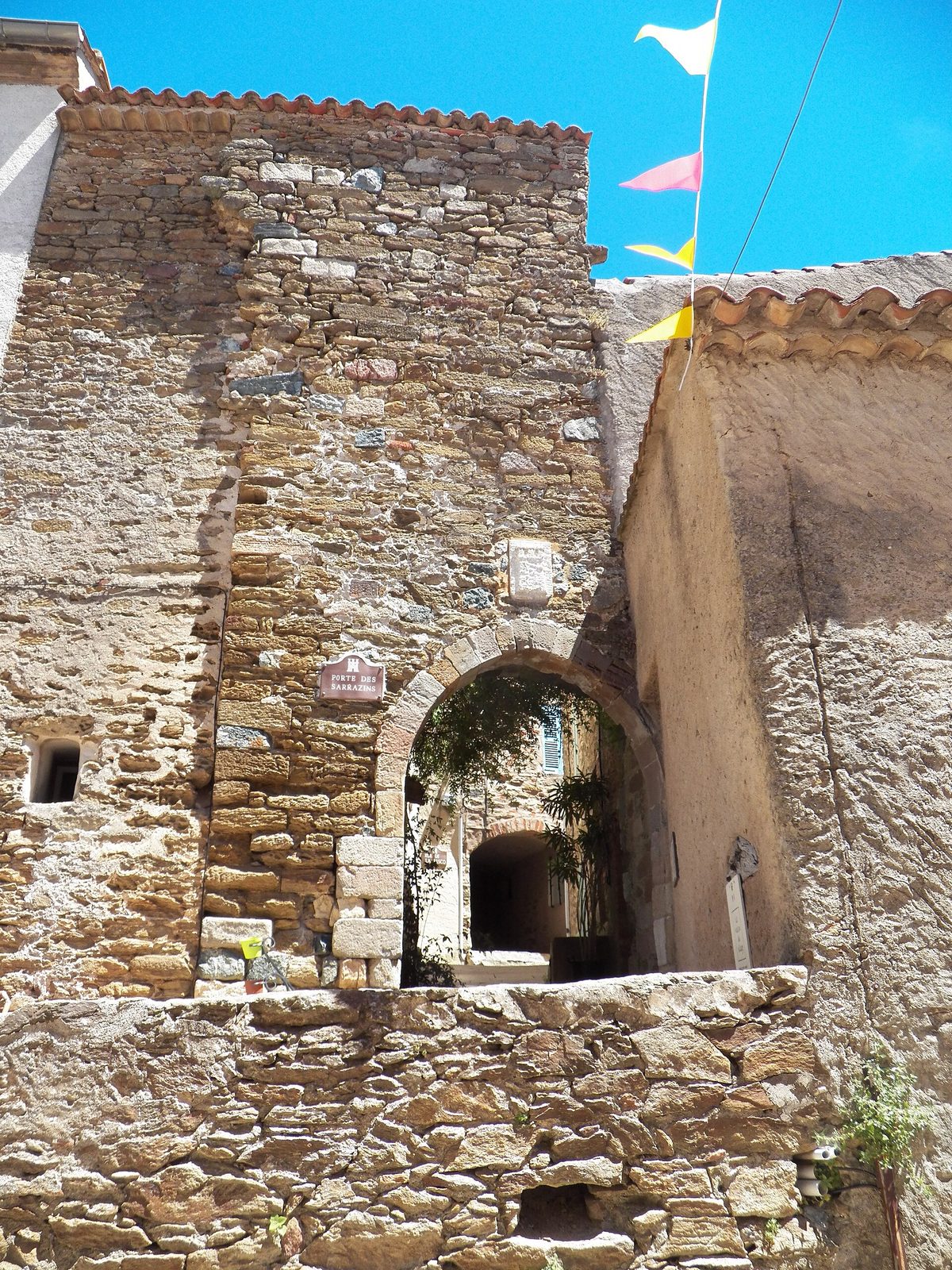
Built on the top of a hill more than two hundred metres high, Gassin is a delightful village that has kept all its charm and tranquillity, a few kilometres from the Var coast.
View full page →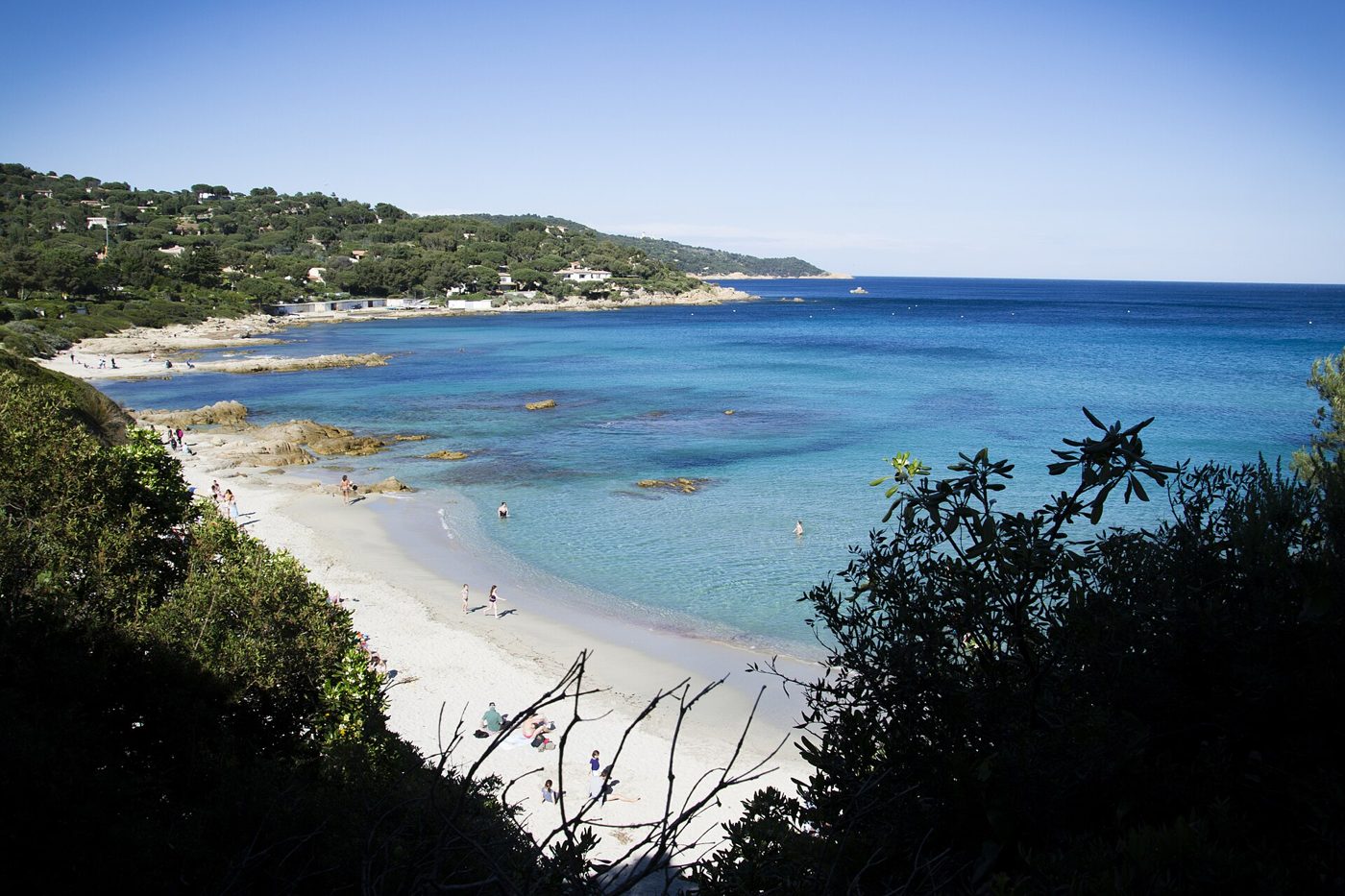
A sand cove of Ramatuelle, at the foot of Cap Camarat, quieter than Pampelonne.
View full page →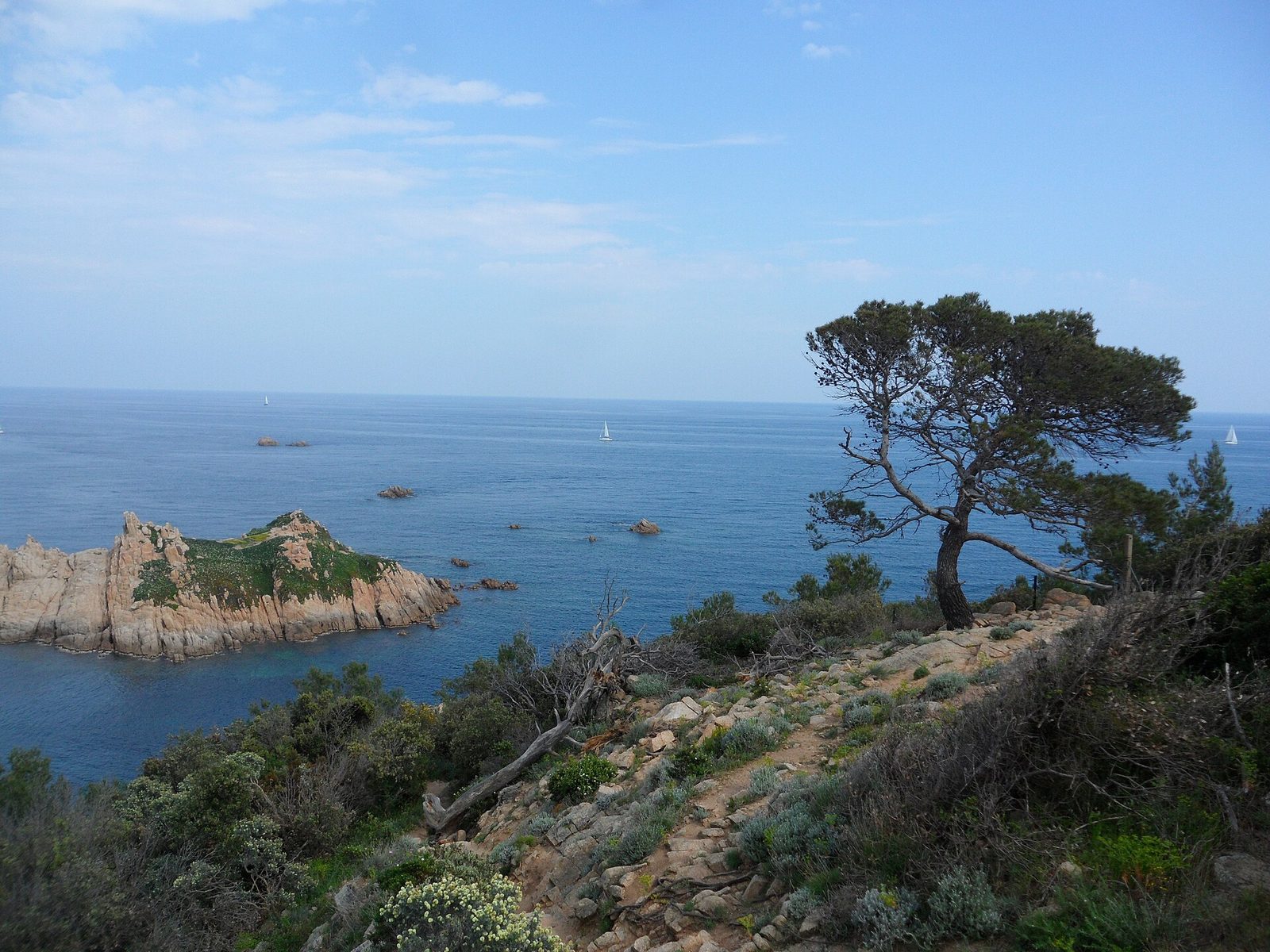
At the southern tip of the Saint-Tropez peninsula, Cap Camarat unfolds its wild coves and emblematic lighthouse. The coastal path that runs along it is one of the finest coastal walks in the Var.
View full page →The Estérel: the Corniche d'Or and its red rocks, the Roquebrune rock, then the Fréjus zoo.
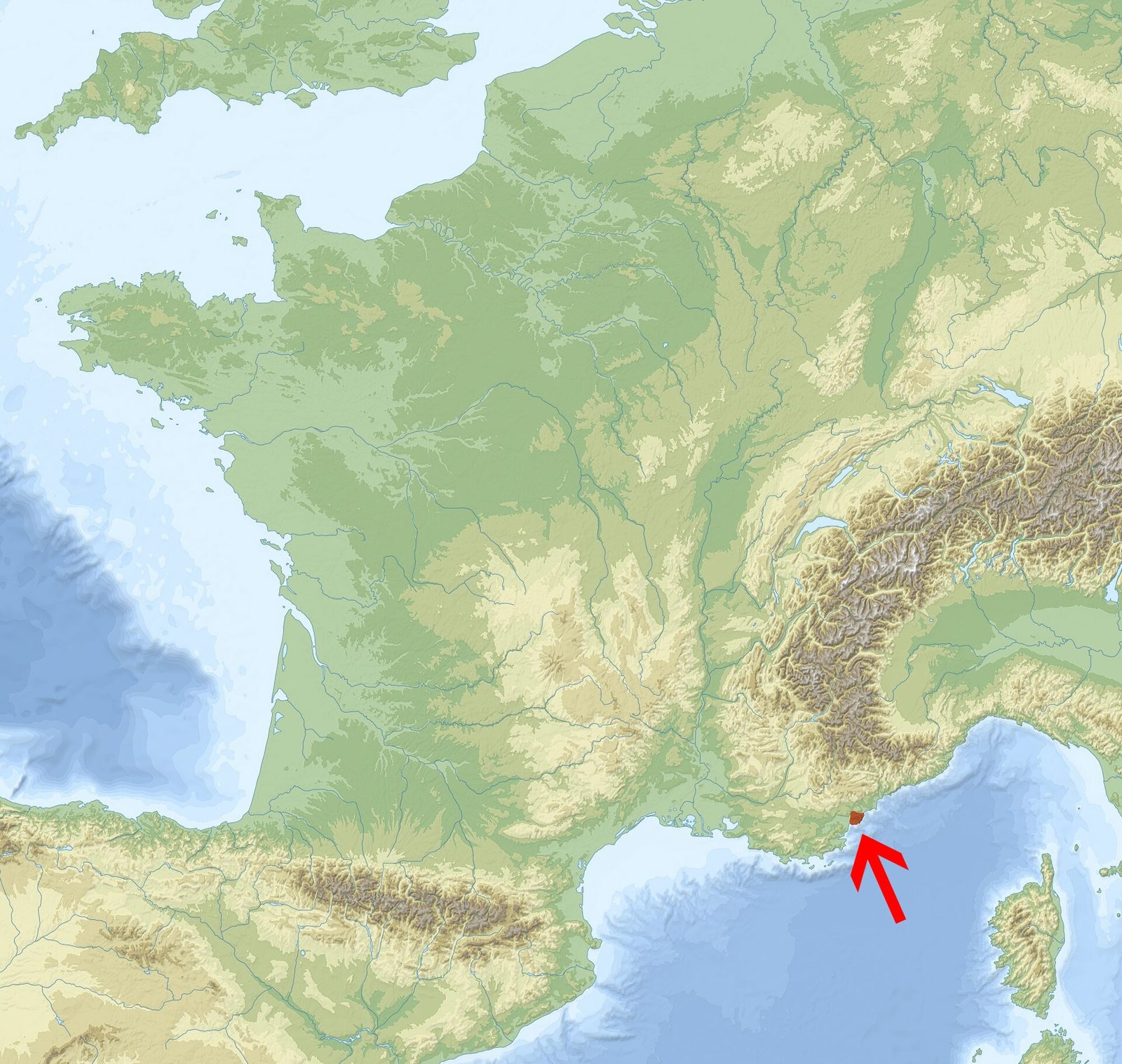
This volcanic massif of dark red rocks plunges directly into the Mediterranean between Saint-Raphaël and Cannes. Criss-crossed by the Corniche d'Or, it combines wild calanques, scented maquis and summits offering wide panoramas over the Côte d'Azur.
View full page →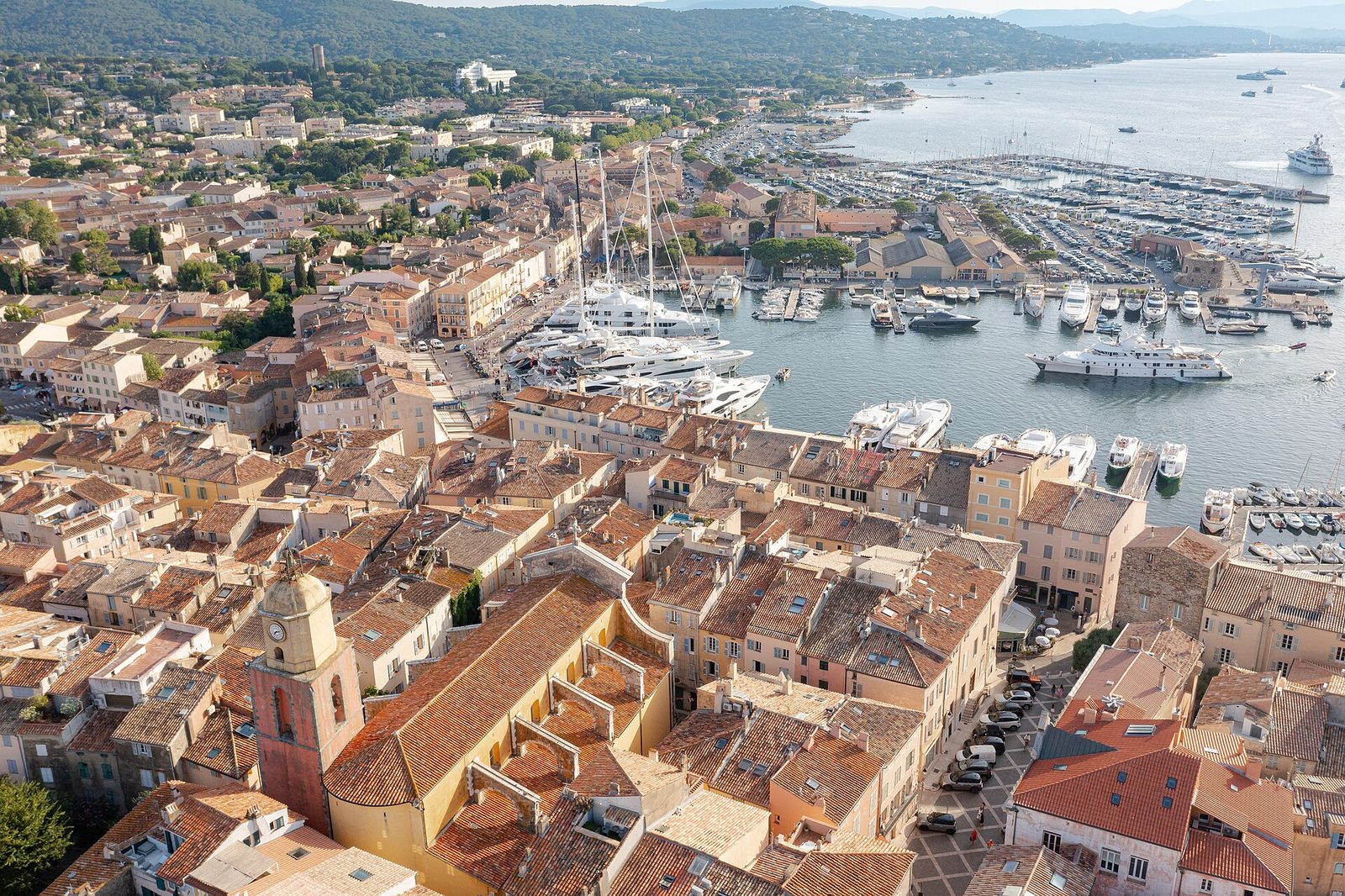
The Roquebrune rock (373 metres) is a little like the Var's Ayers Rock: its red colour, its sheer walls, its legends and its devotees.
View full page →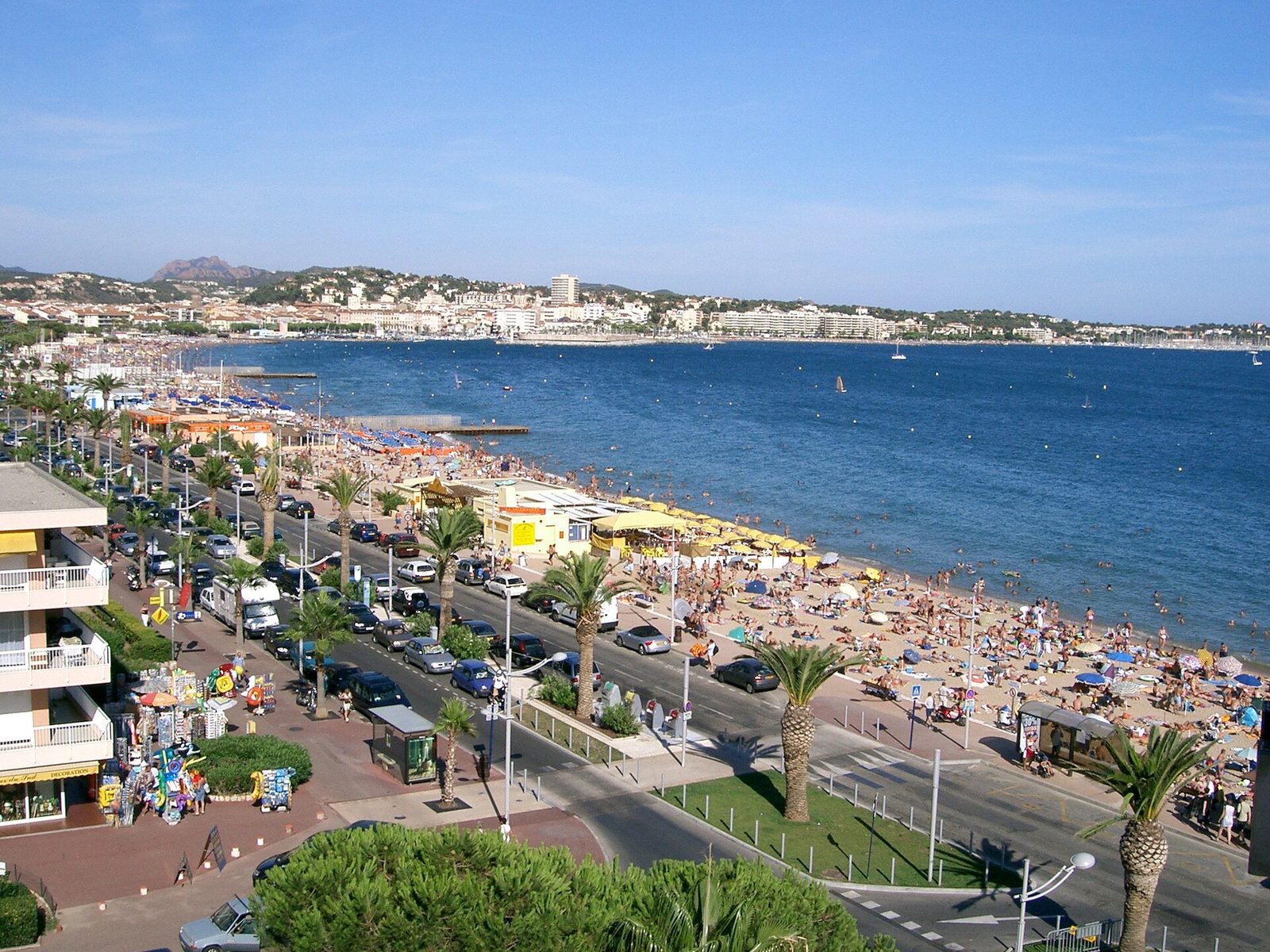
Created in 1971, in a typically Mediterranean wooded setting, it enjoys the Côte d'Azur's privileged climate, with 250 days of sunshine a year!
View full page →May, June and September are perfect: the sea is warm and the crowds thinner than in July and August. In summer, the massifs may be closed when the fire risk is high.
A car is useful, but access to Saint-Tropez is very congested in summer: take the boat from Sainte-Maxime or Saint-Raphaël instead. Saint-Raphaël is served by TGV.