Tourist trains · Gard
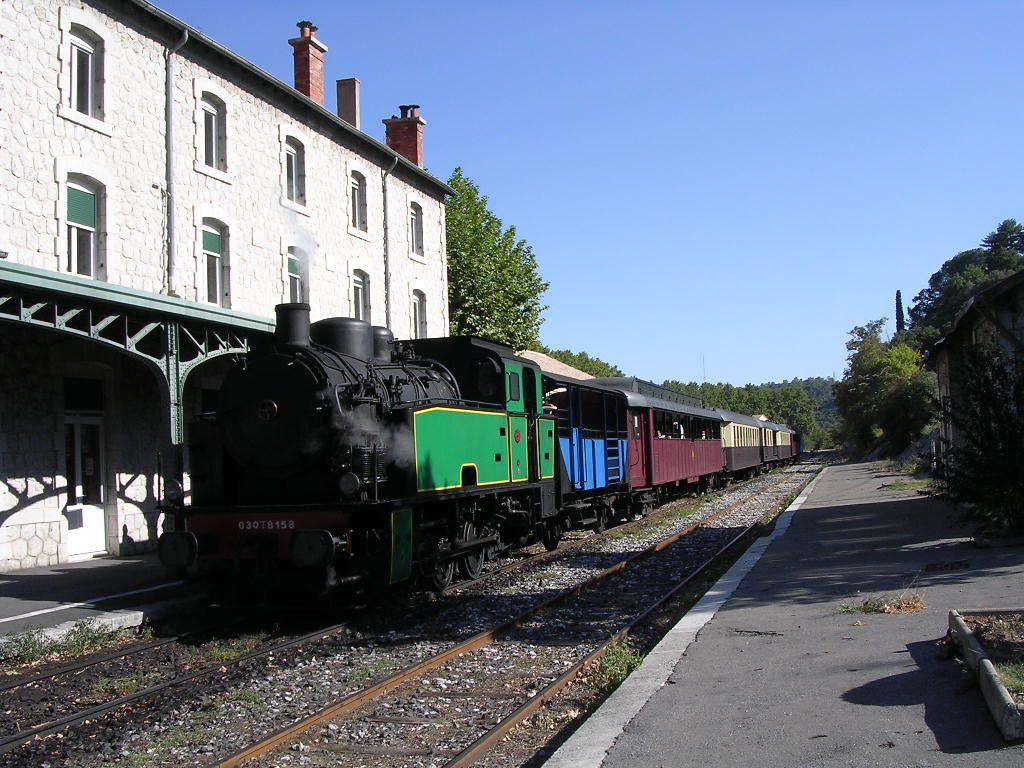
1 Train à vapeur des Cévennes
Mind the start – close the doors! A whistle blast, a jet of steam, it is the departure for a 13-kilometre journey into the heart of the Cévennes.
View full page →Schist and granite mountains, deep valleys, chestnut groves and terraces: the Cévennes, listed as a UNESCO World Heritage Site together with the Causses, are best discovered slowly, along winding roads.
The map shows the numbered stops in visiting order, with one colour per day. The line follows the roads where available; otherwise it joins the stops as the crow flies. Distances and times are approximate (by car, without traffic).
The Cévennes steam train between Anduze and Saint-Jean-du-Gard, the Prafrance bamboo garden, then the Trabuc cave.
Mind the start – close the doors! A whistle blast, a jet of steam, it is the departure for a 13-kilometre journey into the heart of the Cévennes.
View full page →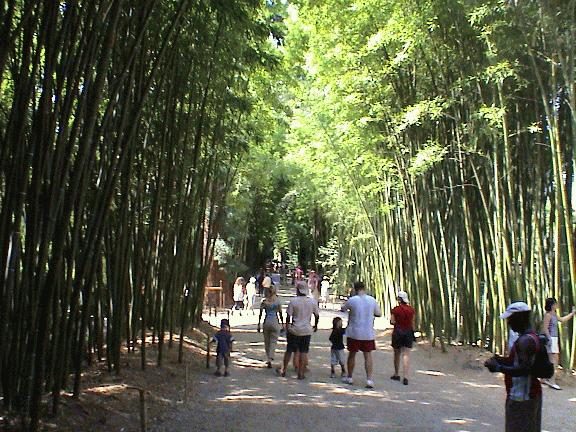
An exotic park unique in Europe. Famous for its forest of giant bamboo and its national collection.
View full page →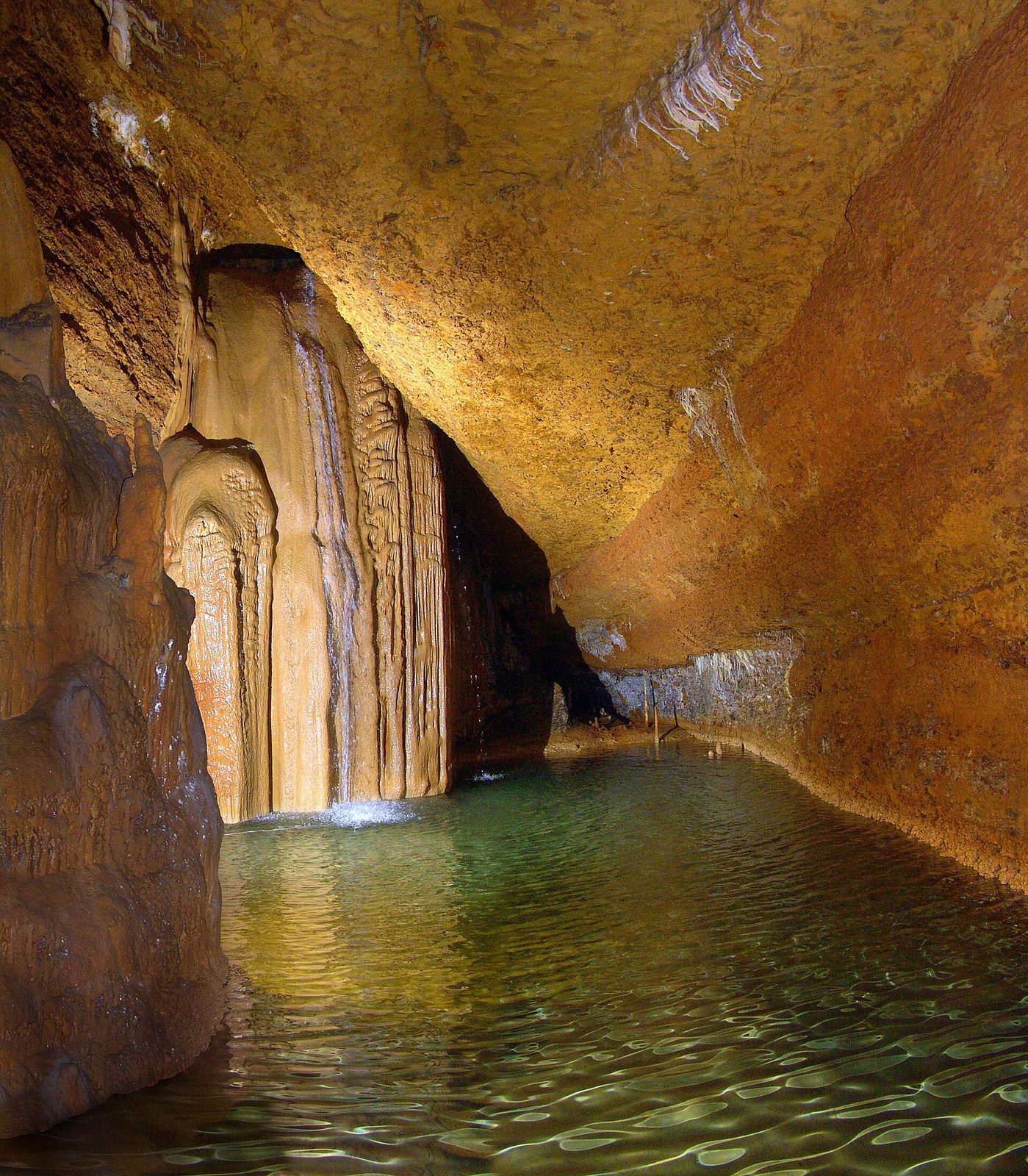
The Trabuc cave is the largest underground network in the Cévennes. The Underground Safari route follows the main galleries, those travelled by the first discoverers.
View full page →Florac, gateway to the Cévennes National Park, then Mont Aigoual and its observatory, and the Bramabiau chasm.
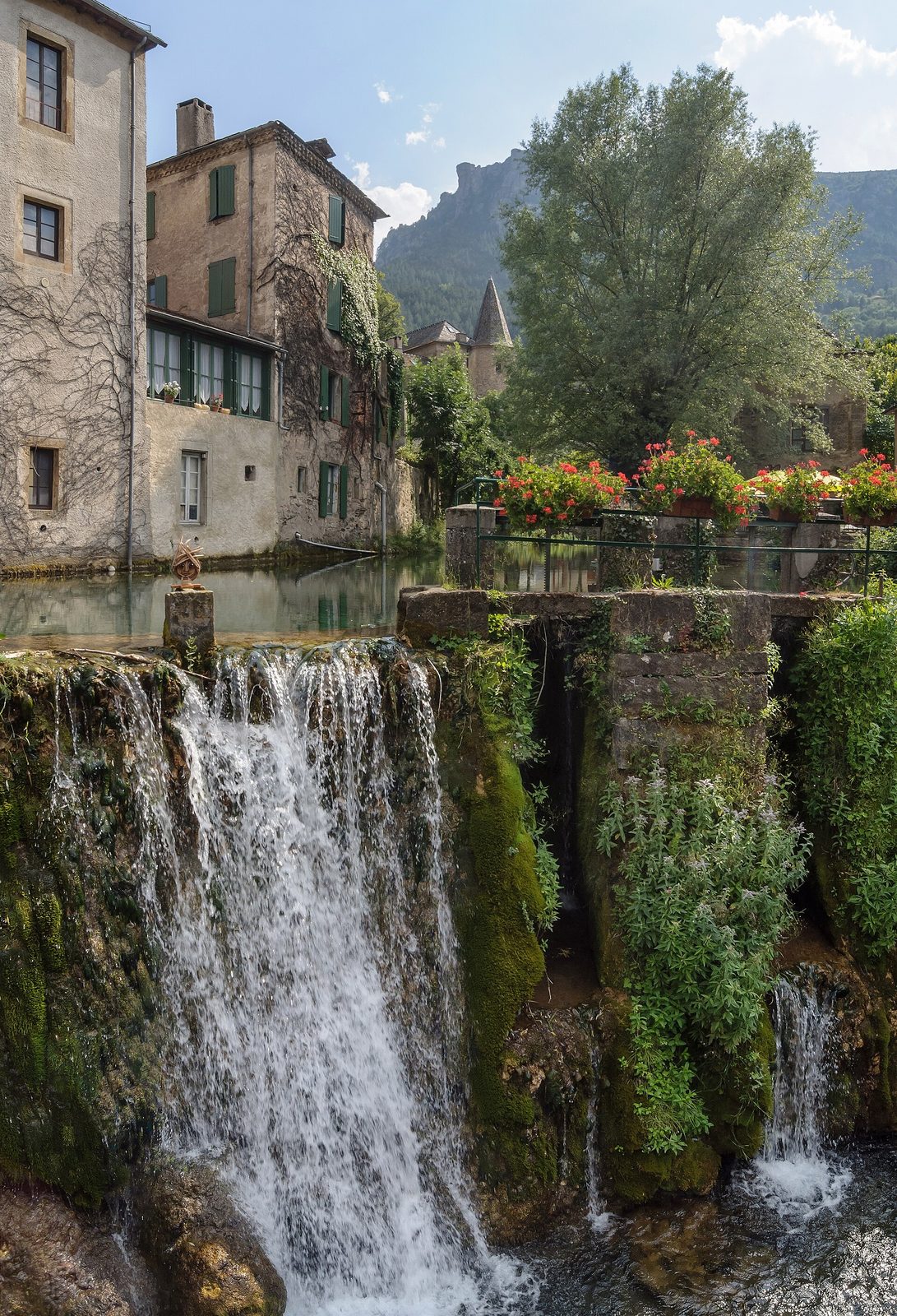
A small town, seat of the Cévennes National Park, nestled at the confluence of three rivers at the foot of the rocky bar of the Rocher de Rochefort.
View full page →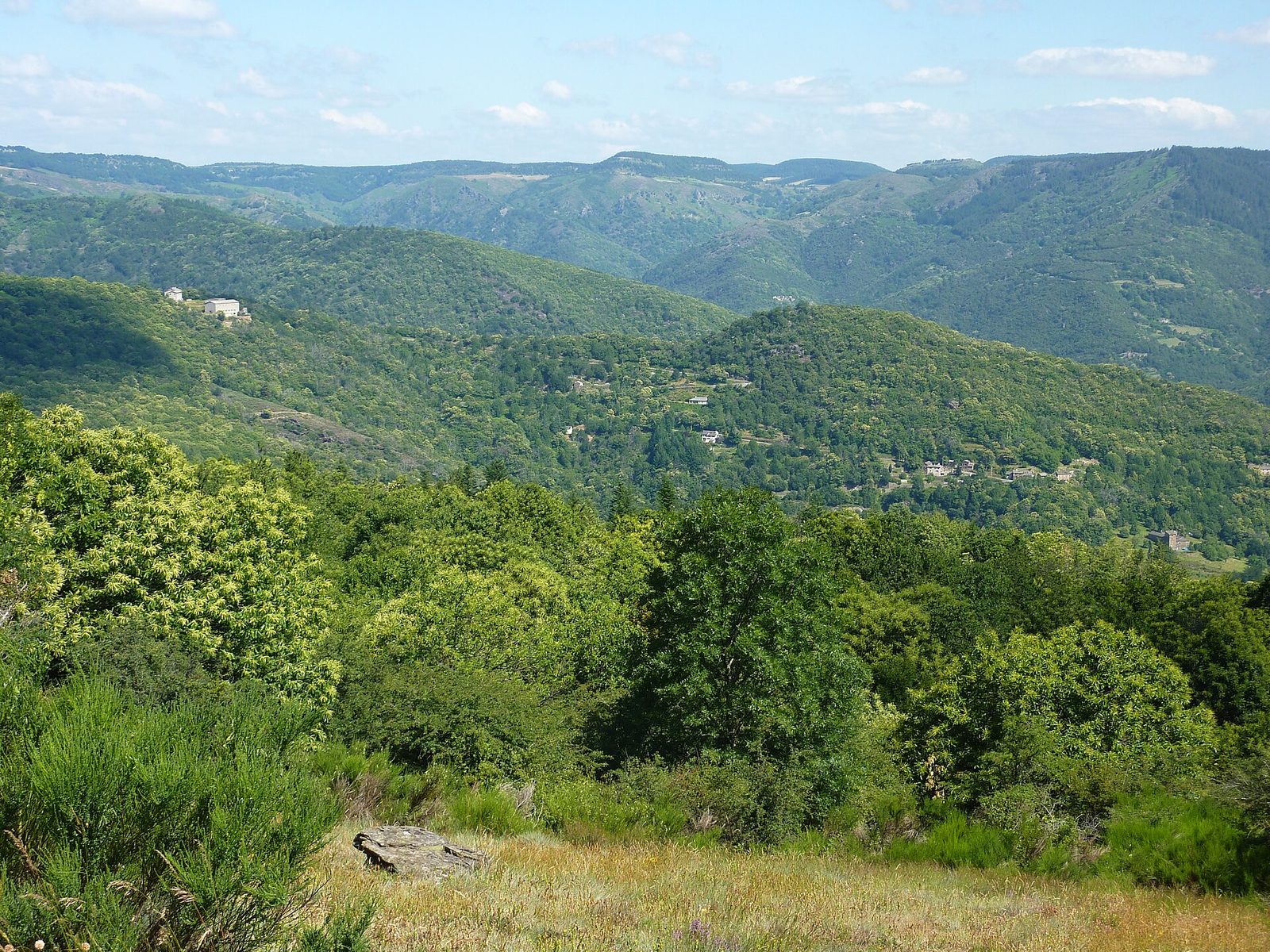
The Cévennes National Park is the only inhabited park among the seven French national parks.
View full page →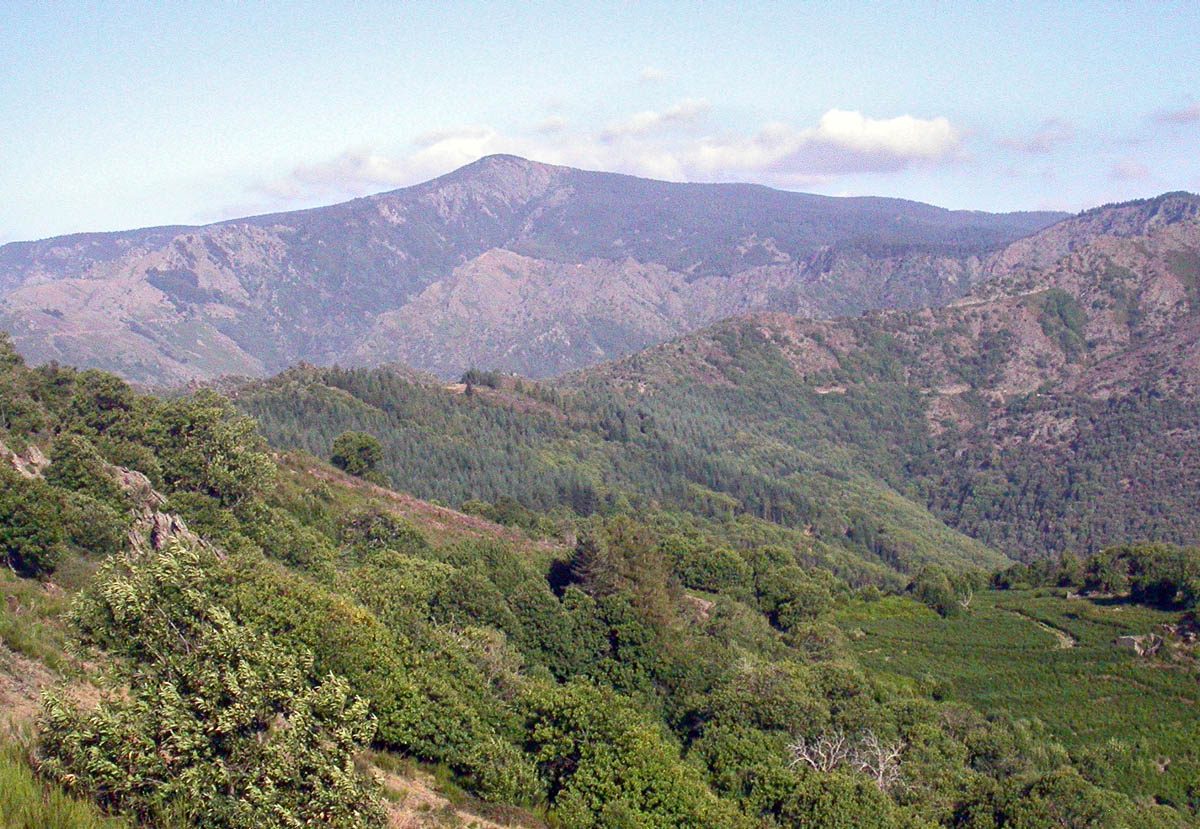
In the Cévennes, on the border between the Gard and the Lozère, at 1,567 metres, stands the Mont Aigoual Observatory and its Météo-France weather station, in operation since 1887.
View full page →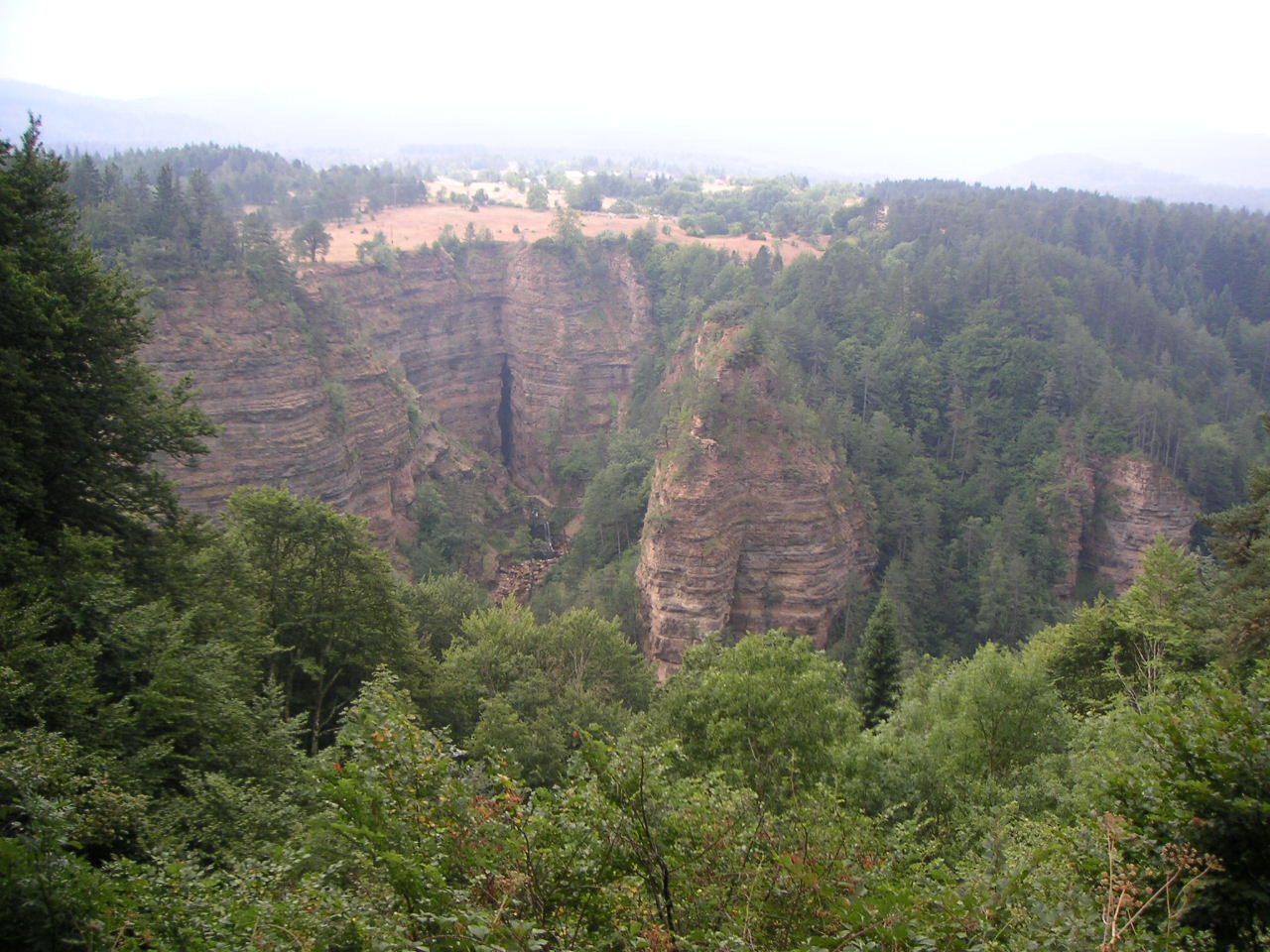
The abyss is the only active network (underground river) developed in France.
View full page →The Navacelles cirque, one of the greatest natural sites in the south of France, then the Vis waterfall and the Foux resurgence, at the bottom of the Vis gorges.
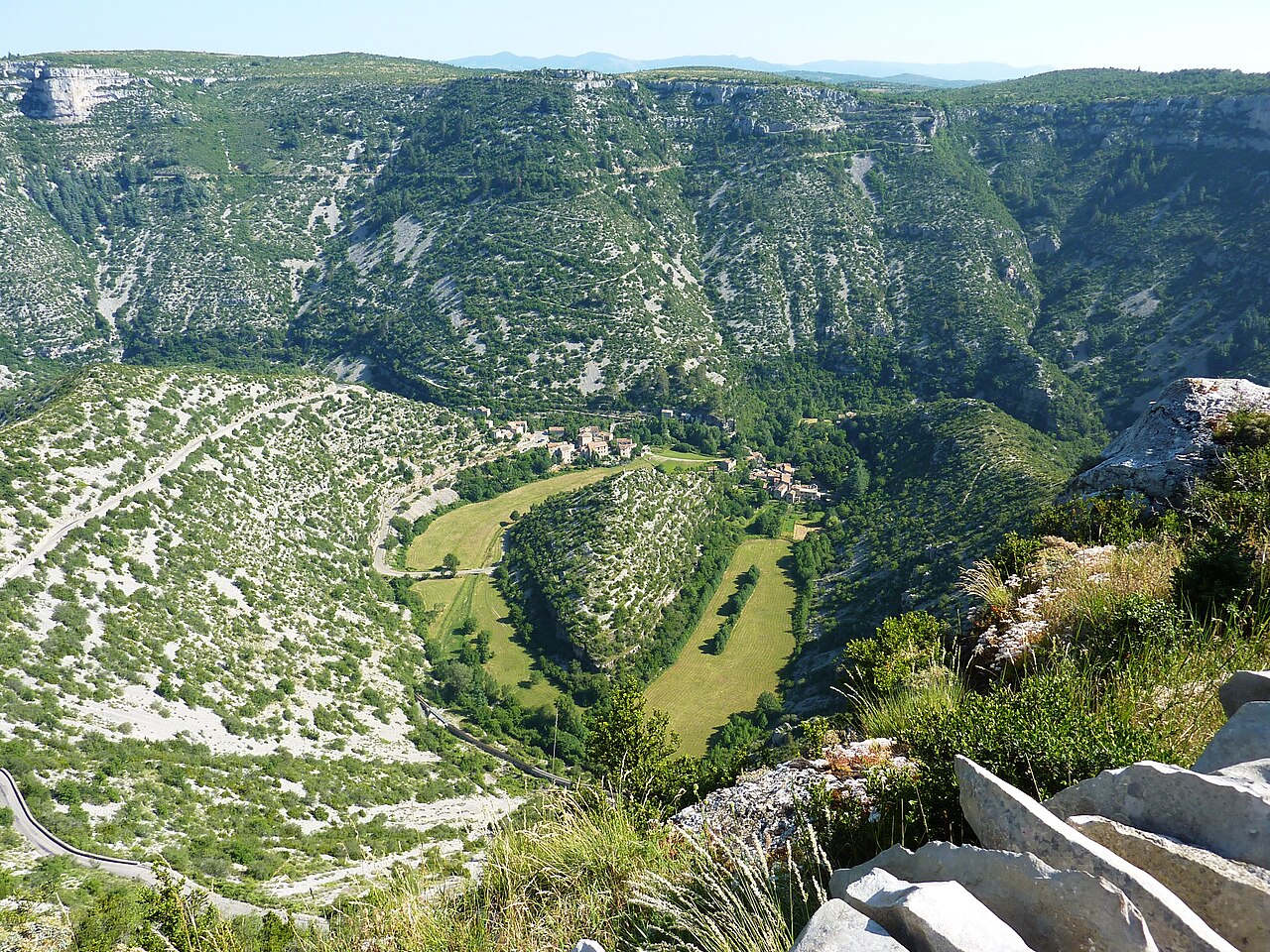
Like other famous sites of the Grands Causses, the Cirque de Navacelles is visited every year by millions of tourists who come to admire the cut of the Vis canyon through the limestones and dolomites of the Causse de Blandas.
View full page →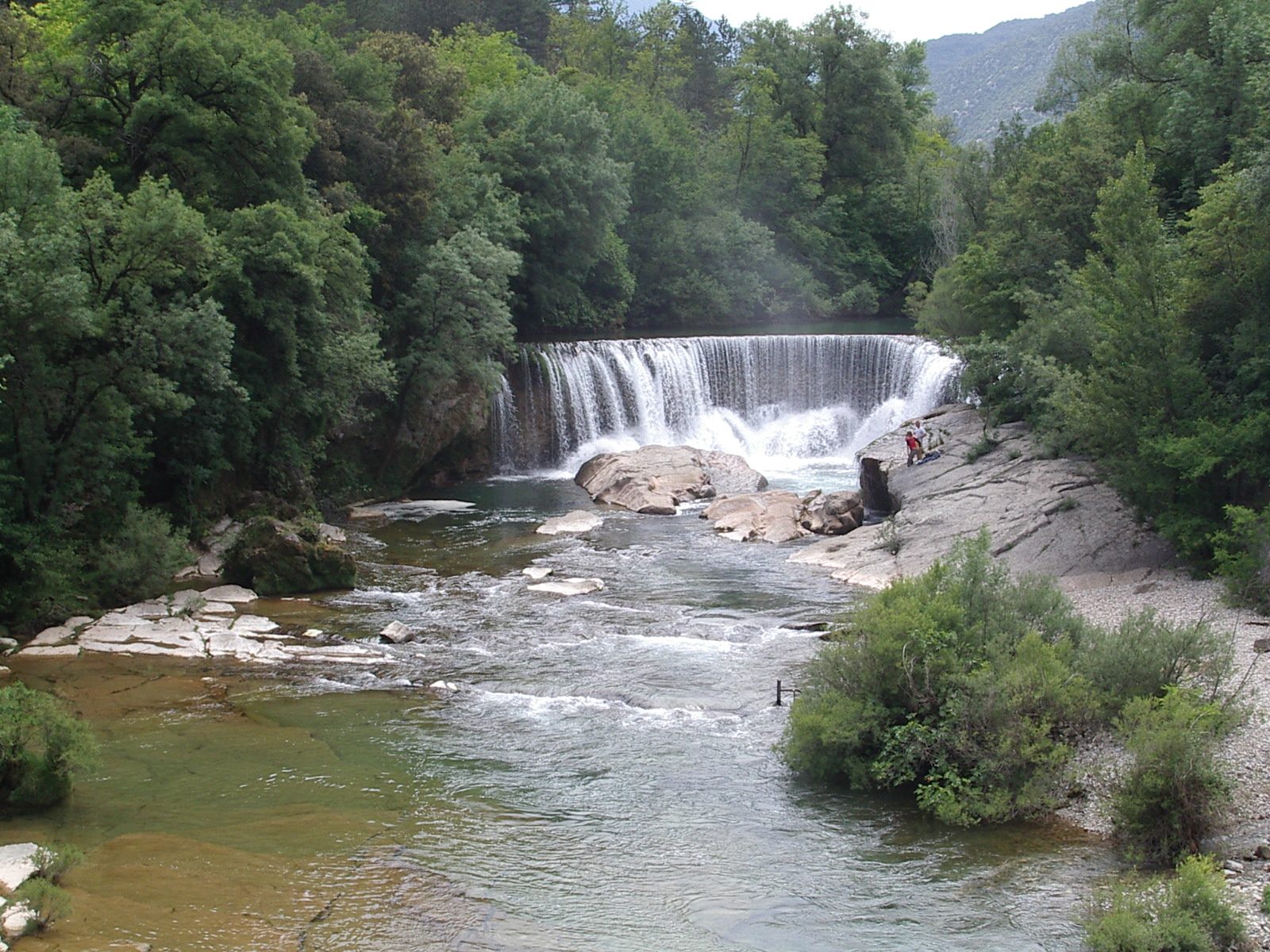
From the bridge that spans the Vis river, at the natural site of Saint-Laurent-le-Minier, the Cascade de la Meuse appears in its setting of greenery and rocks.
View full page →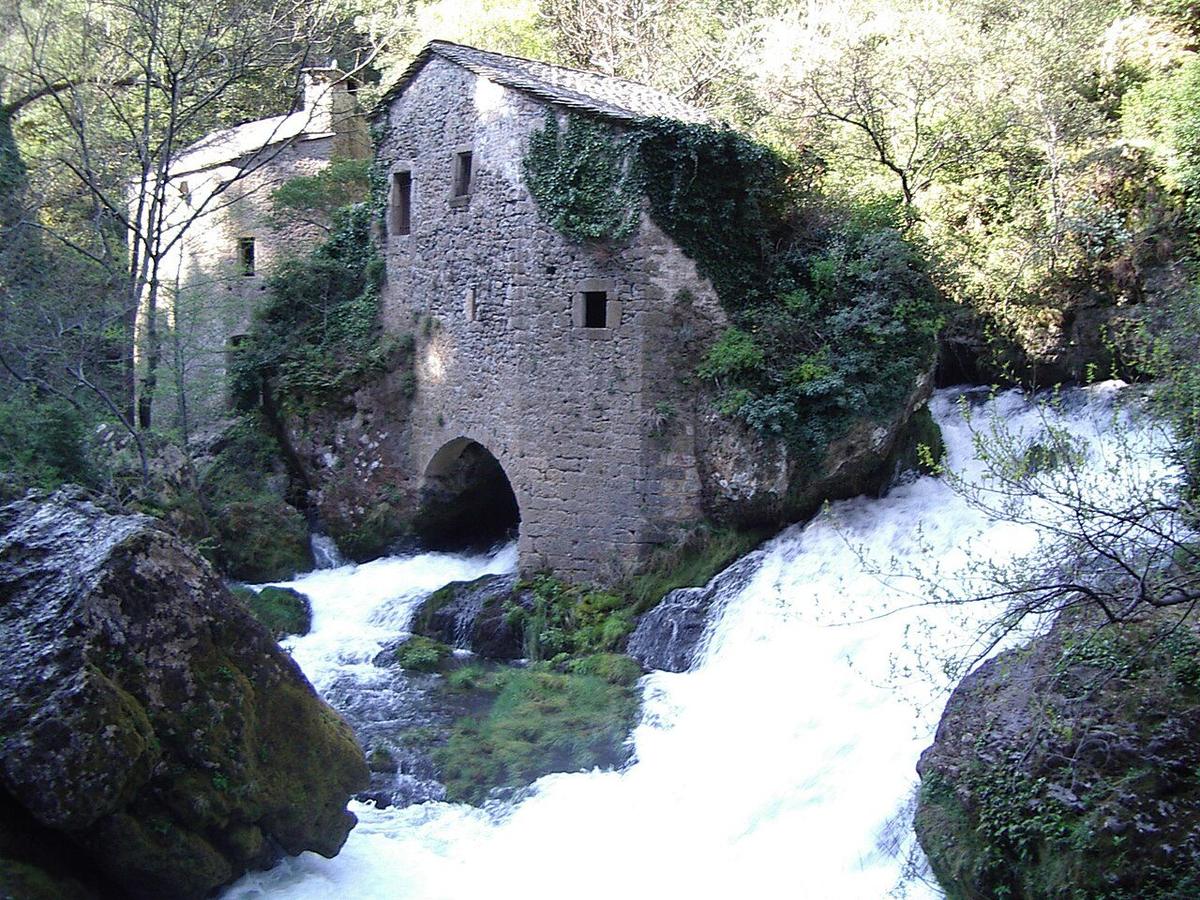
Source de Lafoux and Gorges de la Vis: the Vis gorges (a magnificent cut between the Causse du Larzac and the Causse de Blandas) and the Lafoux resurgence, an oasis of freshness and vitality in a mineral and arid world.
View full page →Spring and autumn are the most beautiful, with blossom and then chestnuts. Summer is hot in the valleys and cool on Mont Aigoual. The Cévennes storms in autumn can bring violent downpours.
A car is essential: the roads are winding and distances longer than they look. The steam train runs in season, from April to November.