Discovering Drôme: a practical guide
Drôme links the Alps and Provence. Within an hour's drive you go from the cliffs of the Vercors to lavender fields, from cool gorges to sun-drenched hilltop villages. It is an ideal département for a varied trip, between nature, heritage and good food.
This practical guide helps you choose your stops and organise your trip. Underlined site names link to their detailed pages.
Understanding Drôme in a few minutes
Drôme falls into three main areas. In the north-east, the Drôme part of the Vercors offers cliffs, gorges and forests, with the dizzying road of Combe Laval. In the centre, the Diois is a bright valley at the foot of the Hauts-Plateaux, around Die and Châtillon-en-Diois. In the south, Provençal Drôme heralds Provence, with Nyons, Grignan and the Baronnies.
The Rhône valley, to the west, is where the towns are: Valence, the main town, and Montélimar, capital of nougat. The A7 motorway and the TGV serve it well. For a trip of a few days, choose one base per area rather than a single starting point.
- Allow time on the Vercors roads: they are beautiful but slow.
- The south of the département is much warmer than the north.
- A base in Die or Nyons keeps driving down.
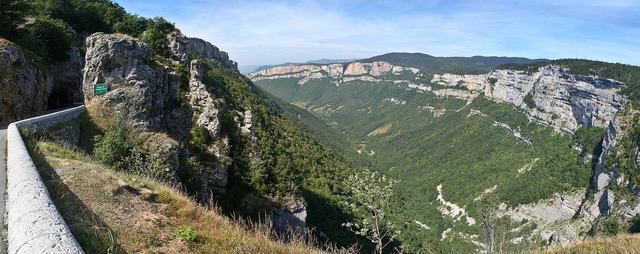
Combe Laval
A spectacular reculée of the Vercors dominated by a road cut into the cliff side more than 700 metres above the void.
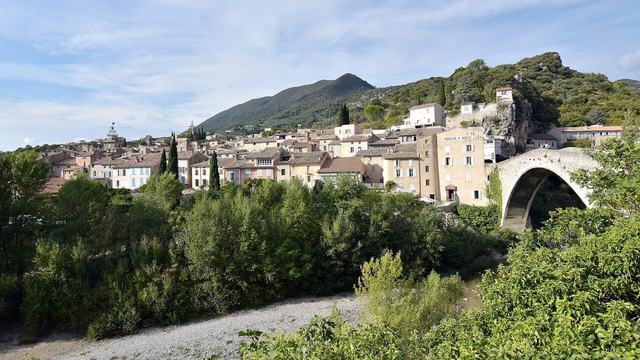
Nyons
A small Provençal town renowned for its exceptionally mild microclimate and olive groves, crossed by the majestic single-arch Roman bridge.

Valence
The main town of the Drôme on the banks of the Rhône, often described as the gateway to the South, with its fine Parc Jouvet and its steep old town.
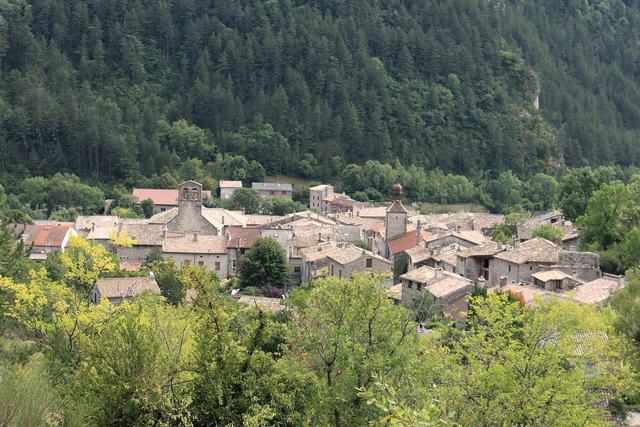
Châtillon-en-Diois
A stone village of the Diois, nestled at the foot of limestone cliffs, ranked among the Most Beautiful Villages of France.
Culture, history and heritage
Provençal Drôme has fine hilltop villages: La Garde-Adhémar, Le Poët-Laval, Mirmande and Montbrun-les-Bains. Castles recall local history, from the Château de Grignan, linked to Madame de Sévigné, to the Château de Suze-la-Rousse and the Château des Adhémar in Montélimar. In Crest, the Tour de Crest is often described as the tallest keep in France.
Two unusual visits stand out in the north of the département: the Palais Idéal du Facteur Cheval in Hauterives, built stone by stone by a postman, and the Cité du Chocolat Valrhona in Tain-l'Hermitage. In the Vercors, the Mémorial de la Résistance en Vercors tells the story of the 1944 maquis. In Romans, the Musée international de la chaussure recalls the town's shoemaking skills.
- The Ideal Palace is very busy in summer: arrive early.
- Hilltop villages are visited on foot; park below.
- At the Resistance Memorial, bring something warm: the site is at altitude.
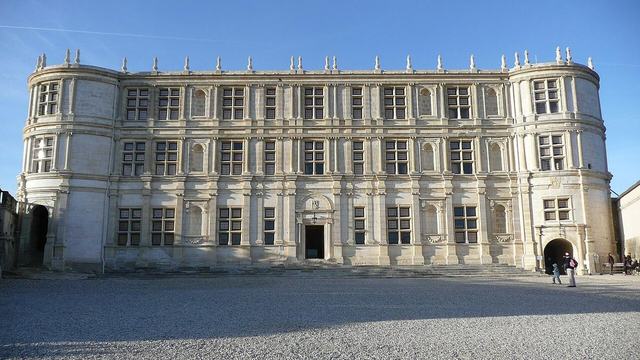
Château de Grignan
The château de Grignan, whose origin goes back to the twelfth century, was built on a rocky peak overlooking Grignan; it was turned into a fortress in the thirteenth century by the Adhémar family: in the seventeenth century François Adhémar de Monteil made it a luxurious residence. Reduced to…
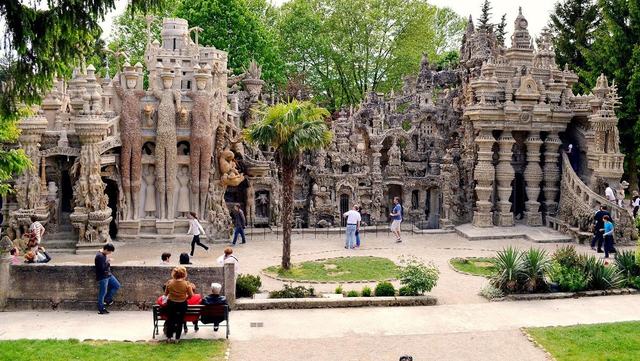
Palais Idéal du Facteur Cheval
The Ideal Palace of the Facteur Cheval is the dream made real of a postman, Ferdinand Cheval (1836–1924), who for 33 years carried stones after his rounds to build a work unique in the world and now recognised artistically.
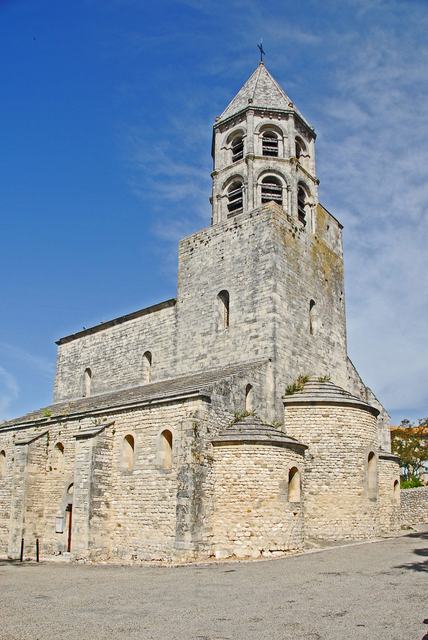
La Garde-Adhémar
Perched on a hill overlooking the Donzère-Mondragon canal and the Pierrelatte plain, this former medieval stronghold lies on the left bank of the Rhône.
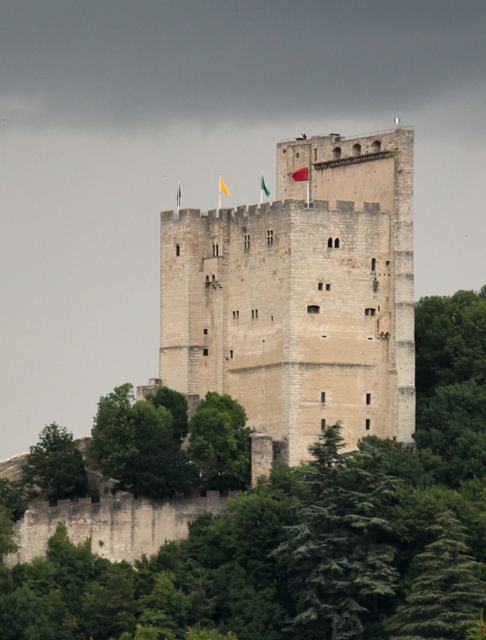
Tour de Crest
The highest keep in France, 52 metres tall, the Tour de Crest is the guardian of one of the rare gateways of the Drôme Prealps.
Food and local produce
Drôme is a land for food lovers. Montélimar nougat, Dauphiné ravioles, picodon (goat's cheese), olives and olive oil from Nyons and black truffles from the Tricastin are its signature products. Lavender and lime blossom from the Baronnies scent the south of the département.
For wine, the north produces renowned Rhône valley reds such as Hermitage and Crozes-Hermitage, and the Diois its Clairette de Die, a sparkling wine. In Nyons, the Distillerie Bleu Provence shows how aromatic plants are distilled.
- The Provençal markets of Nyons and Buis-les-Baronnies are lively in the morning.
- Lavender usually blooms from late June to late July.
- Try ravioles au gratin, a speciality of Romans.
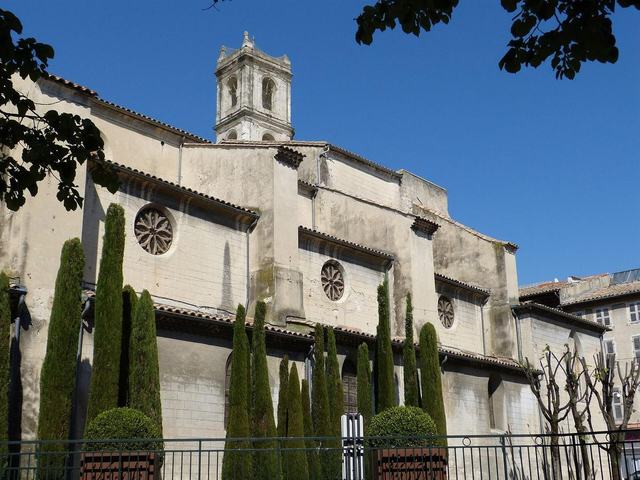
Montélimar
France's nougat capital, a stopover between Valence and Avignon, with its collegiate church of Sainte-Croix and its Château des Adhémar overlooking the Rhône valley.
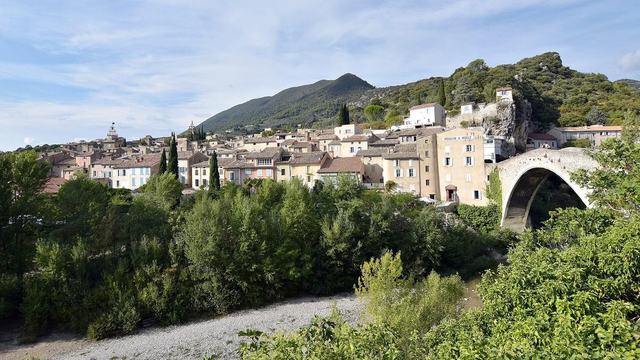
Distillerie Bleu Provence
In Nyons, on the banks of the Eygues, the Distillerie Bleu Provence has carried on the tradition of distilling lavender and aromatic plants since 1939.

Cité du Chocolat Valrhona
The modern building presents over 2,000 m² the story of chocolate, from picking the cocoa pod to factory production.
Nature and wide open spaces
The Drôme Vercors is spectacular: the Gorges de la Bourne (Les Grands Goulets), the Cirque D'Archiane at the foot of the Hauts-Plateaux, and caves such as the Grotte de la Luire and the Grotte de la Draye Blanche. Waterfalls abound: the Chute de la Druise, La Cascade Blanche and La Cascade Verte near Pont-en-Royans, or the Claps de Luc and Saut de la Drôme in the Diois.
Further south, the Gorges d'Ubrieux make a refreshing stop near Buis-les-Baronnies, and the Sucettes de Borne are an astonishing geological curiosity. With children, the crocodile farm in Pierrelatte and the Jardin aux Oiseaux bird park are popular outings.
- Gorge roads can be closed after heavy rain: check before you go.
- Wear good shoes for the waterfall paths.
- In summer, the Diois rivers are good for swimming, with care.
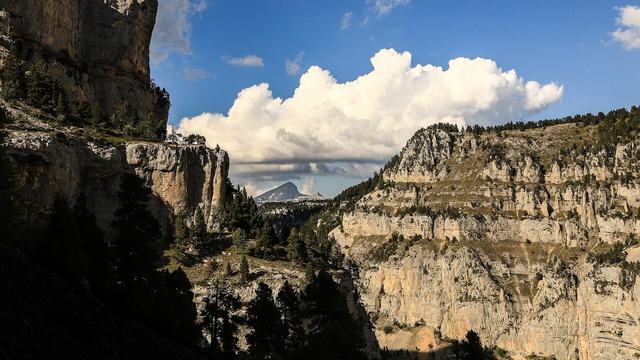
Cirque D'Archiane
From the sumptuous cirque of Archiane, discover the largest nature reserve in France: the Hauts-Plateaux du Vercors with the Combeau valley, the Tête Chevalière, the Jardin du Roi and the Chamousset sheepfold.
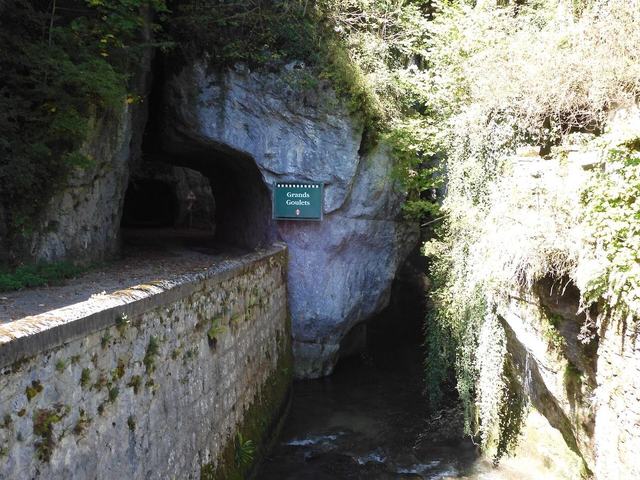
Gorges de la Bourne (Les Grands Goulets)
The Grands Goulets are gorges in the French département of the Drôme, in the upper part of the reculée of the Vernaison (or Échevis valley), in the western part of the Vercors massif.
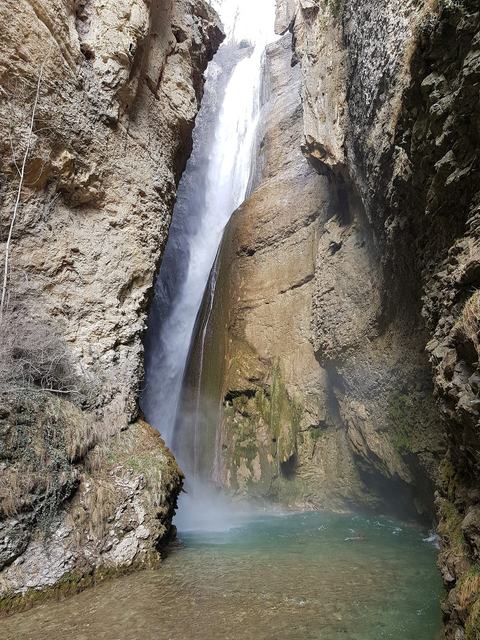
Chute de la Druise
The waterfall is 72 metres high and a path descends to its transparent green waters. Access via the Omblèze gorges and the Druise Fall.
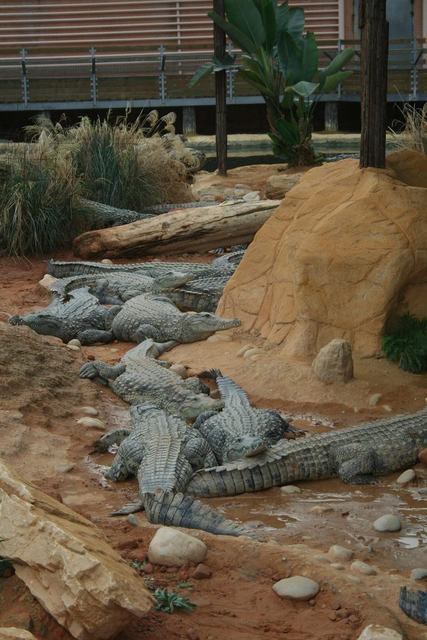
La Ferme aux Crocodiles
Crocodiles are among the most fearsome predators there are, but they are also fascinating animals.
When to go and how to plan
Spring and early summer are the most pleasant, with lavender in bloom in July in the south. Autumn is mild and colourful. In winter, the Vercors offers cross-country skiing, while Provençal Drôme stays calm and sunny.
A car is essential outside the Rhône valley. A five-day trip can combine two days in the Vercors and the Diois, one day in the Rhône valley (Ideal Palace, Tain-l'Hermitage) and two days in Provençal Drôme between Grignan and Nyons.
- Book accommodation in Provençal Drôme for July.
- The mistral can blow hard in the south: bring a jacket.
- Check cave opening times out of season.
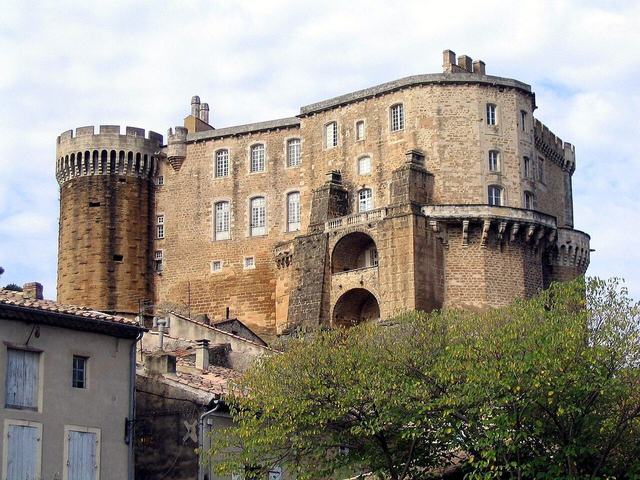
Château de Suze-la-Rousse
Built on a rocky promontory, the medieval fortress is a spectacular military work protected by its towers and rampart.
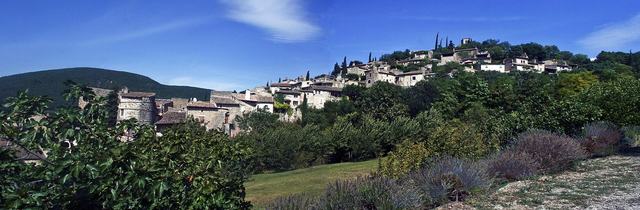
Mirmande
As you approach the town, your gaze stops on the imposing ramparts built in the fifth century.
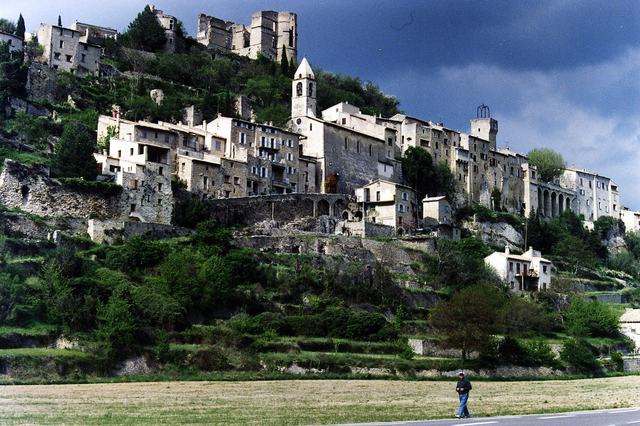
Montbrun-les-Bains
Packed against each other, the old stone houses have gained in height the space they did not have on the ground.
Going further
Explore the départements of this area: