Natural wonders · Vaucluse
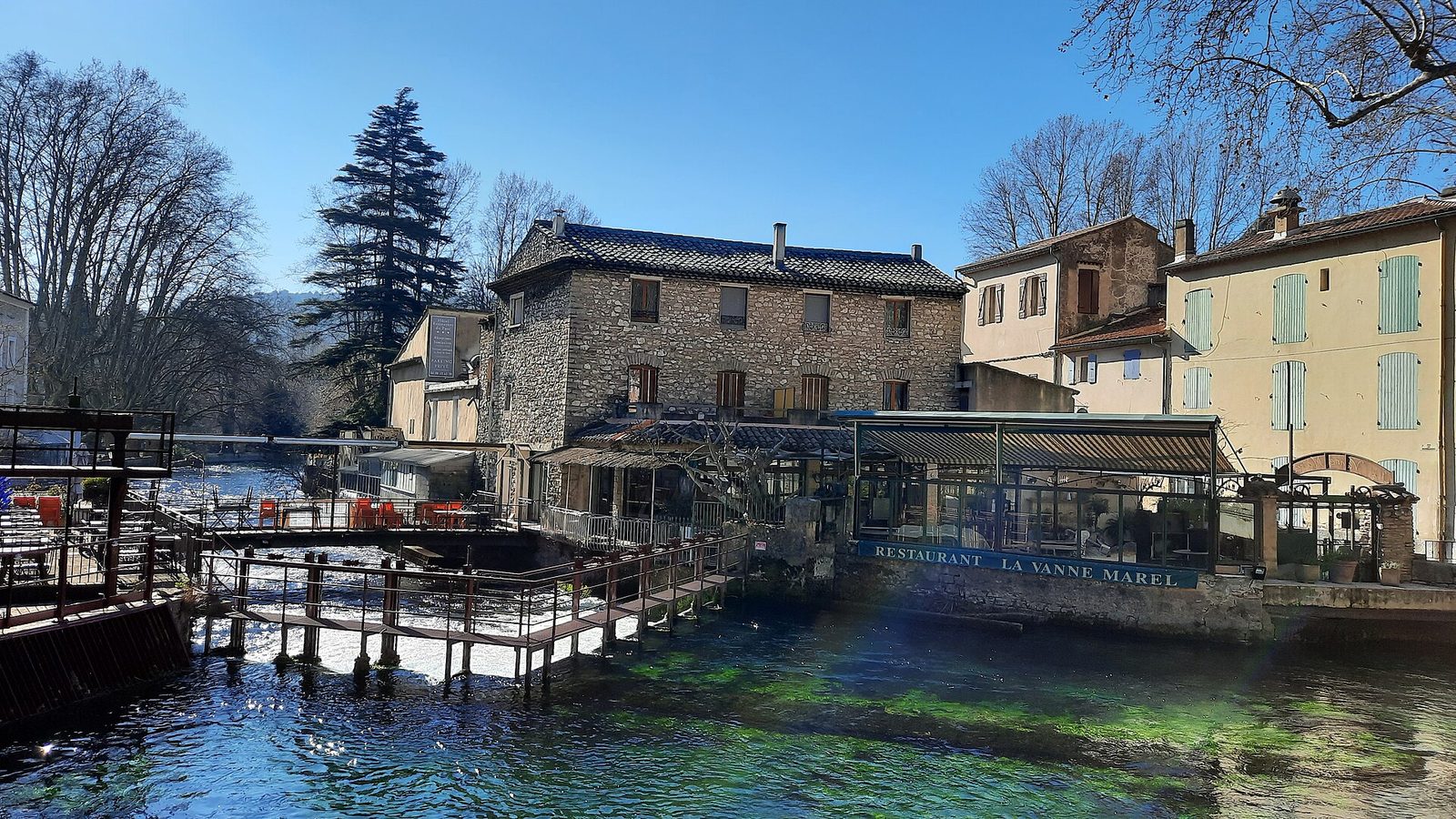
1 Fontaine de Vaucluse
The emerald-green spring is ranked among the most important emergences in the world.
View full page →Hilltop villages, a Cistercian abbey, ochre quarries and castles: the Luberon is easy to discover in two days, as long as you do not rush.
The map shows the numbered stops in visiting order, with one colour per day. The line follows the roads where available; otherwise it joins the stops as the crow flies. Distances and times are approximate (by car, without traffic).
The Fontaine de Vaucluse, then the abbey of Sénanque, Gordes and Roussillon, the village with red façades.
Driving for the day: about 43.1 km, or 1 h 07 behind the wheel in total (excluding visits).
The emerald-green spring is ranked among the most important emergences in the world.
View full page →↓ 23.4 km · about 39 min by car to the next stop

Notre-Dame de Sénanque is a working Cistercian monastery in the commune of Gordes (Vaucluse), in the valley where the Sénancole flows.
View full page →↓ 9.4 km · about 14 min by car to the next stop
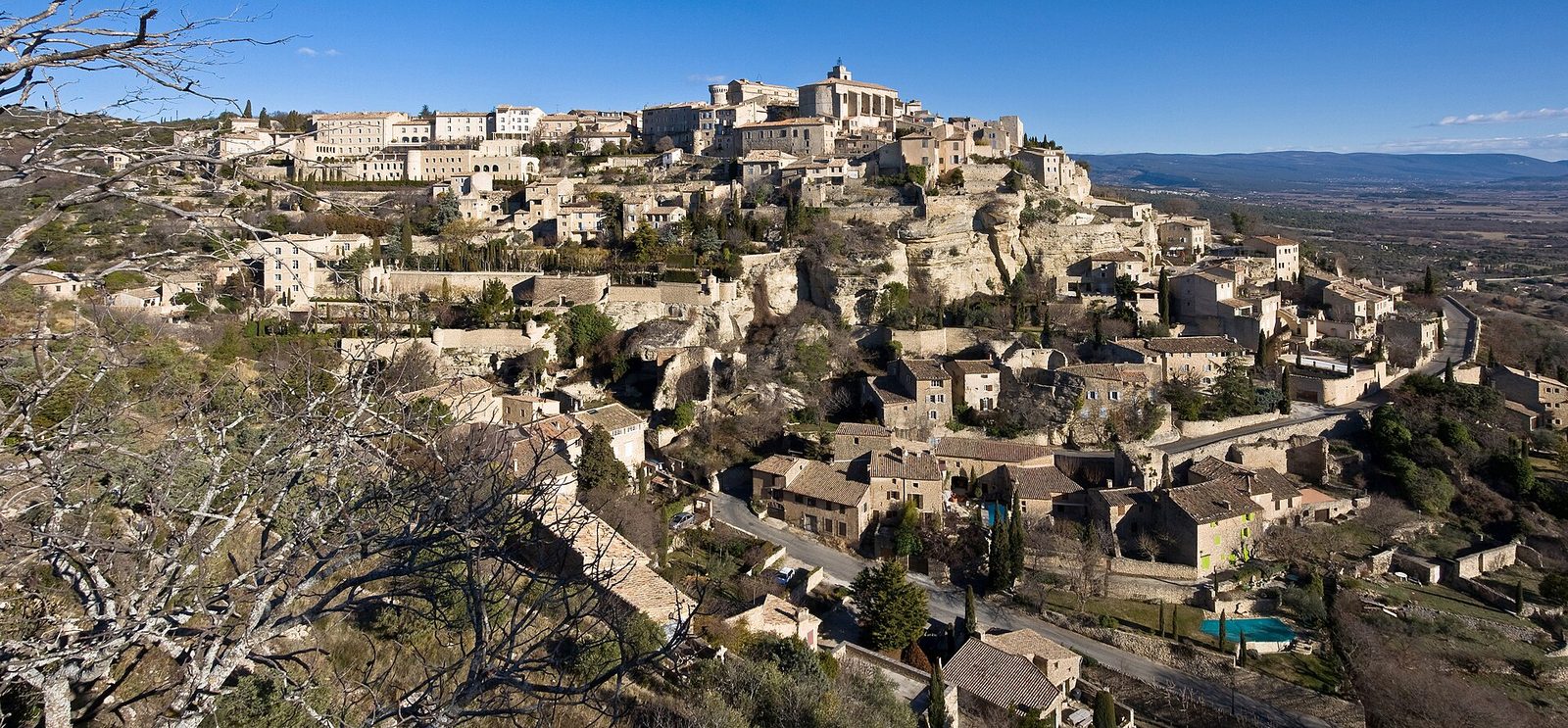
This village perched on a promontory seems to stand guard over the Apt valley and the Cavaillon plain.
View full page →↓ 10.3 km · about 14 min by car to the next stop
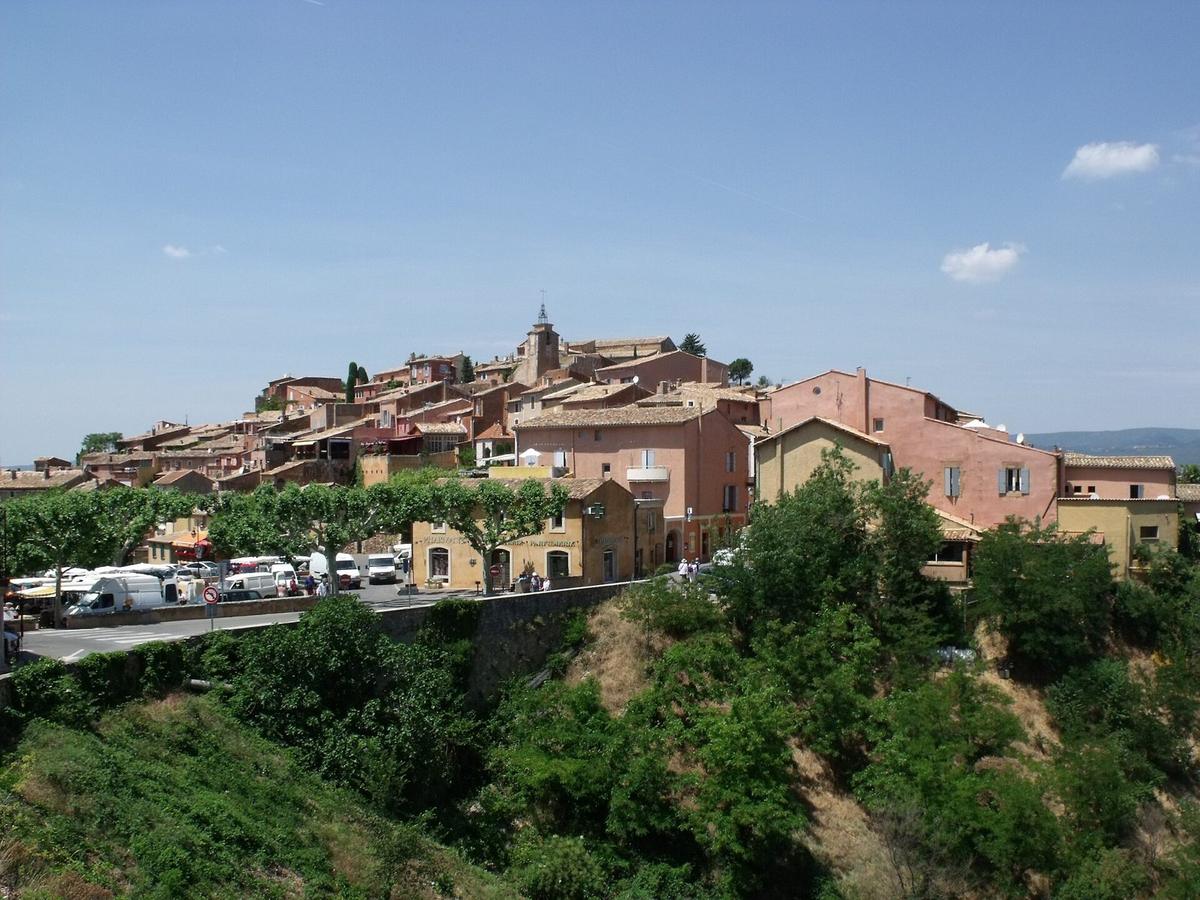
This village is world-famous for the 18 shades of red ochre of its Fairies' valley and the tormented relief of its old quarries, cliffs that erosion and the mistral continue to gully.
View full page →The Colorado Provençal at Rustrel, Ménerbes, Lourmarin and its castle, then Ansouis.
Driving for the day: about 72.4 km, or 1 h 29 behind the wheel in total (excluding visits).
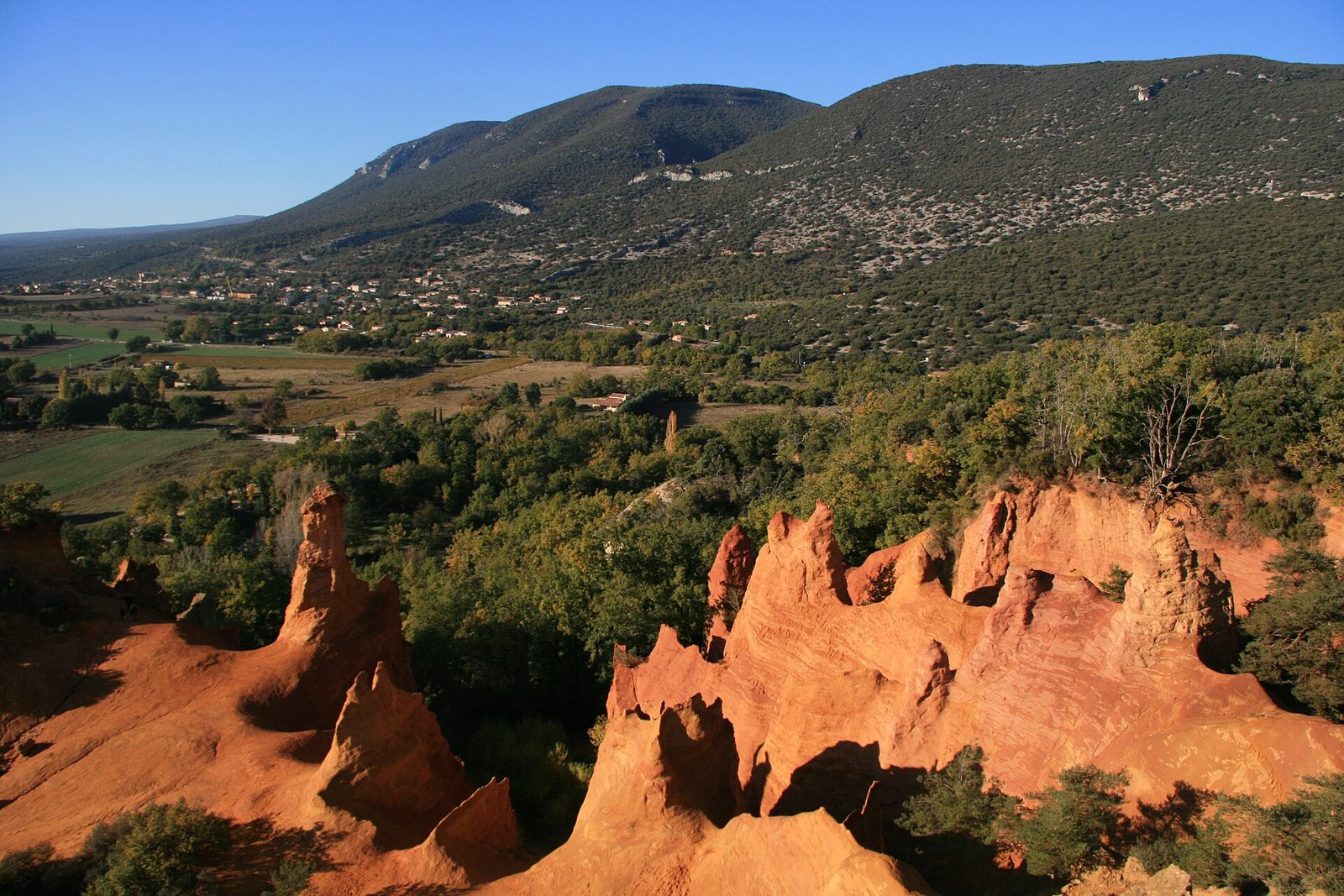
Former open-air ochre quarries, worked until 1992, forming a landscape of blazing colours reminiscent of American canyons.
View full page →↓ 34.4 km · about 36 min by car to the next stop
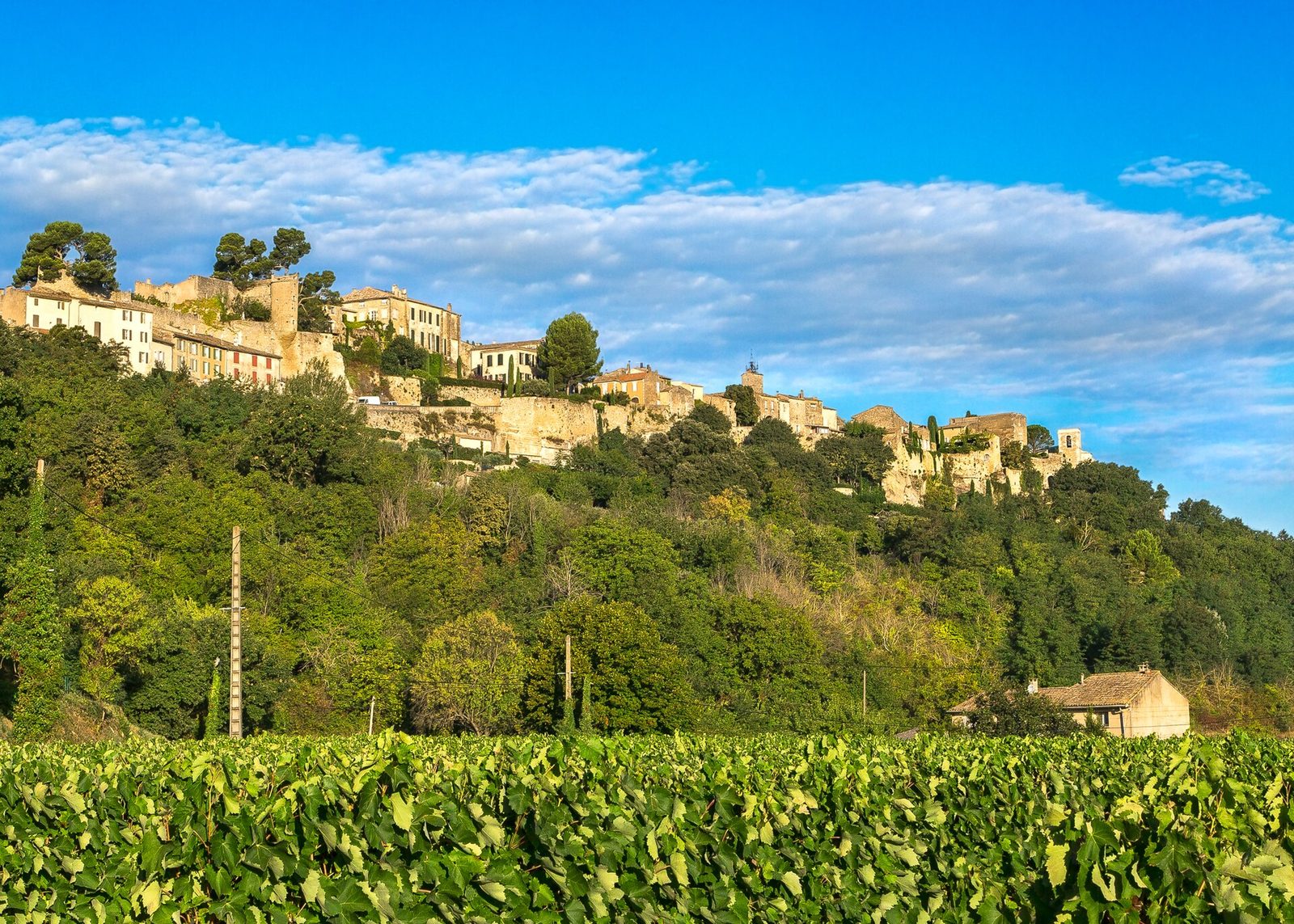
It was in the Middle Ages that Ménerbes acquired part of its heritage, such as Saint-Hilaire abbey, a former priory where Saint Louis stopped on his return from the Crusades.
View full page →↓ 25.2 km · about 33 min by car to the next stop
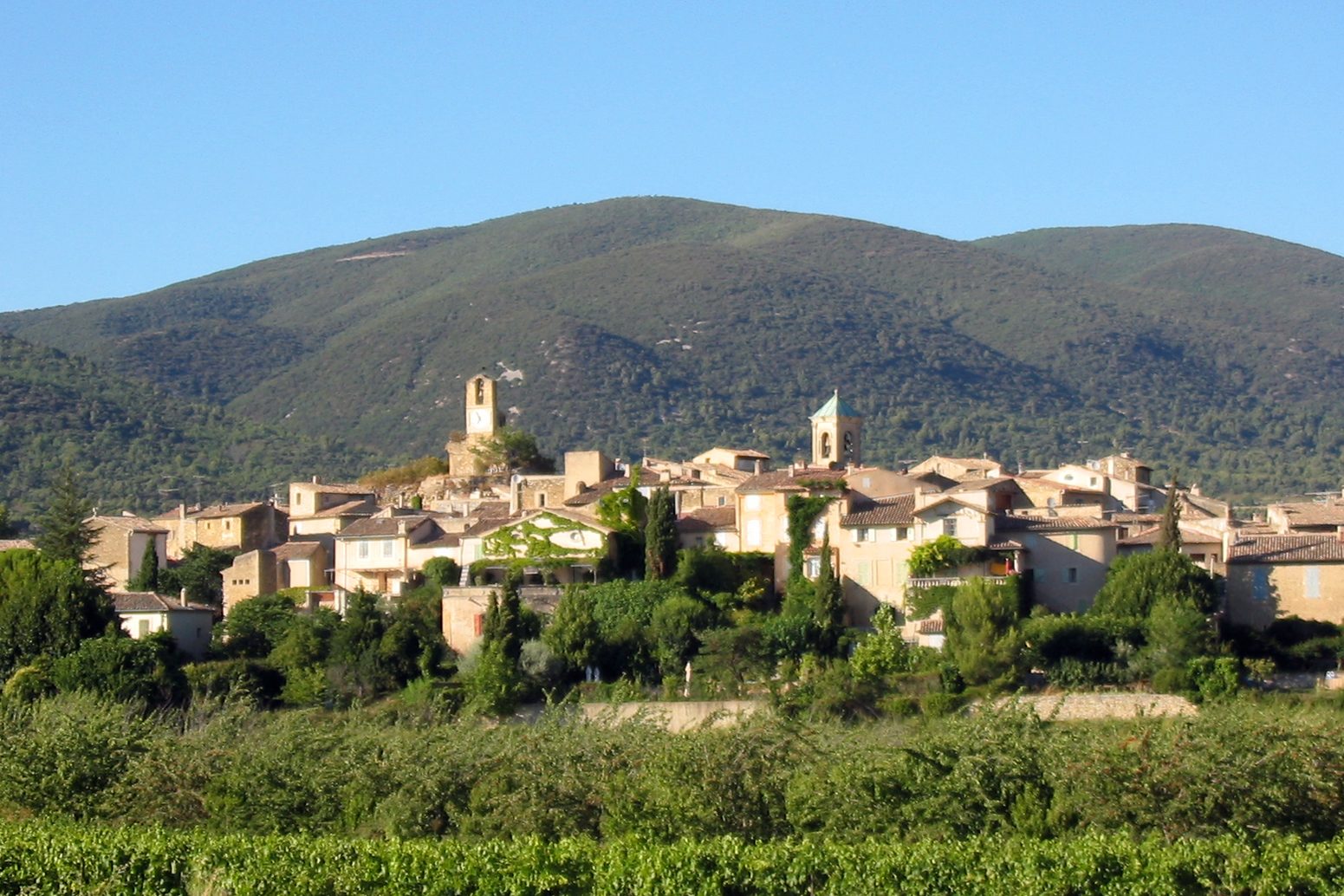
It was in the sixteenth century that the inhabitants of the Protestant village were massacred by Maynier d'Oppède.
View full page →↓ 1.7 km · about 5 min by car to the next stop
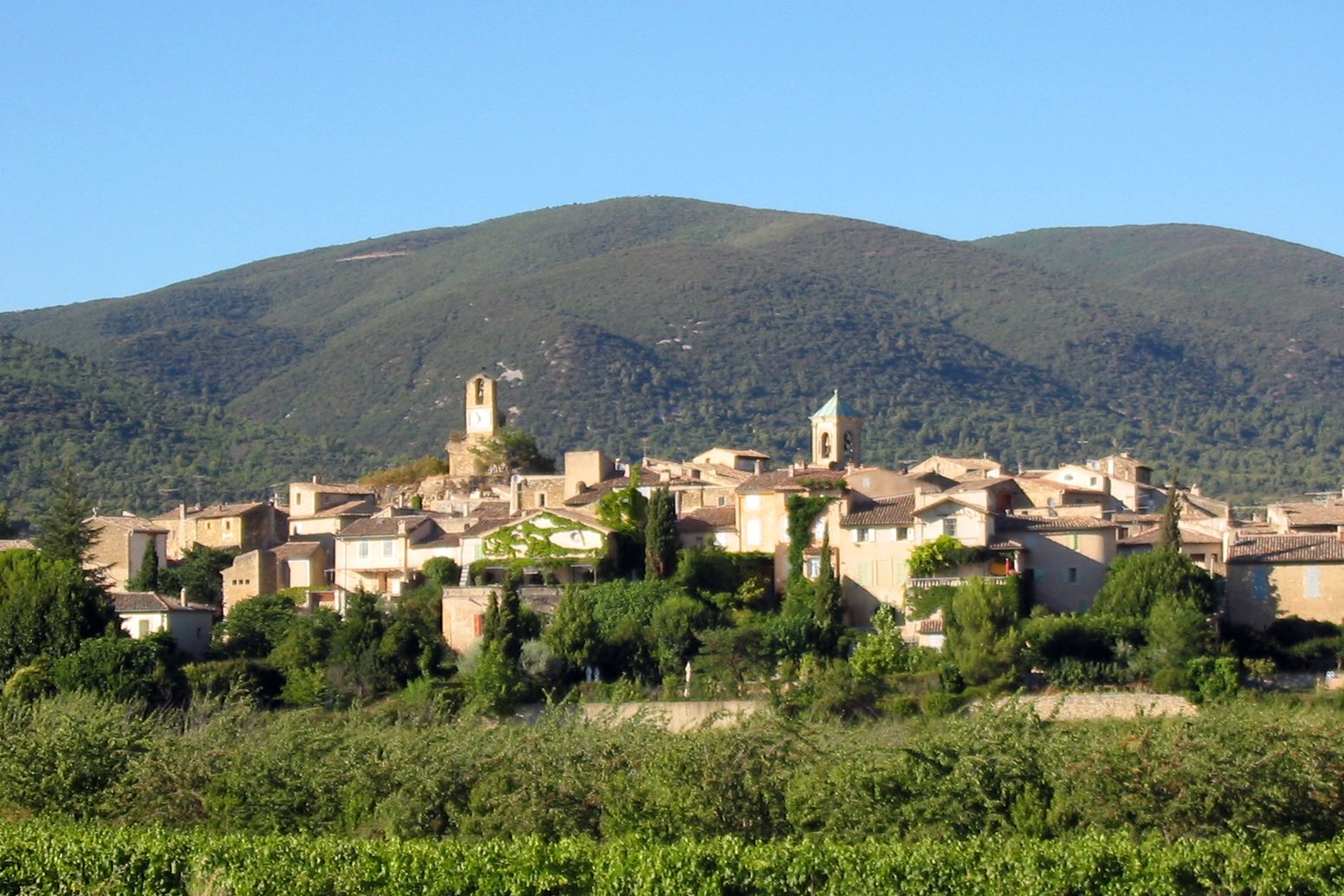
The castle was listed as a historic monument in 1973.
View full page →↓ 11.0 km · about 15 min by car to the next stop

In the Middle Ages, Ansouis occupied an ideal position to control the road between Aix-en-Provence and Apt.
View full page →Sites are numbered in the recommended order. In summer the Luberon is very busy: start early and allow time for parking in the villages.