Natural wonders · Somme
1 Les Falaises d'Ault-Onival
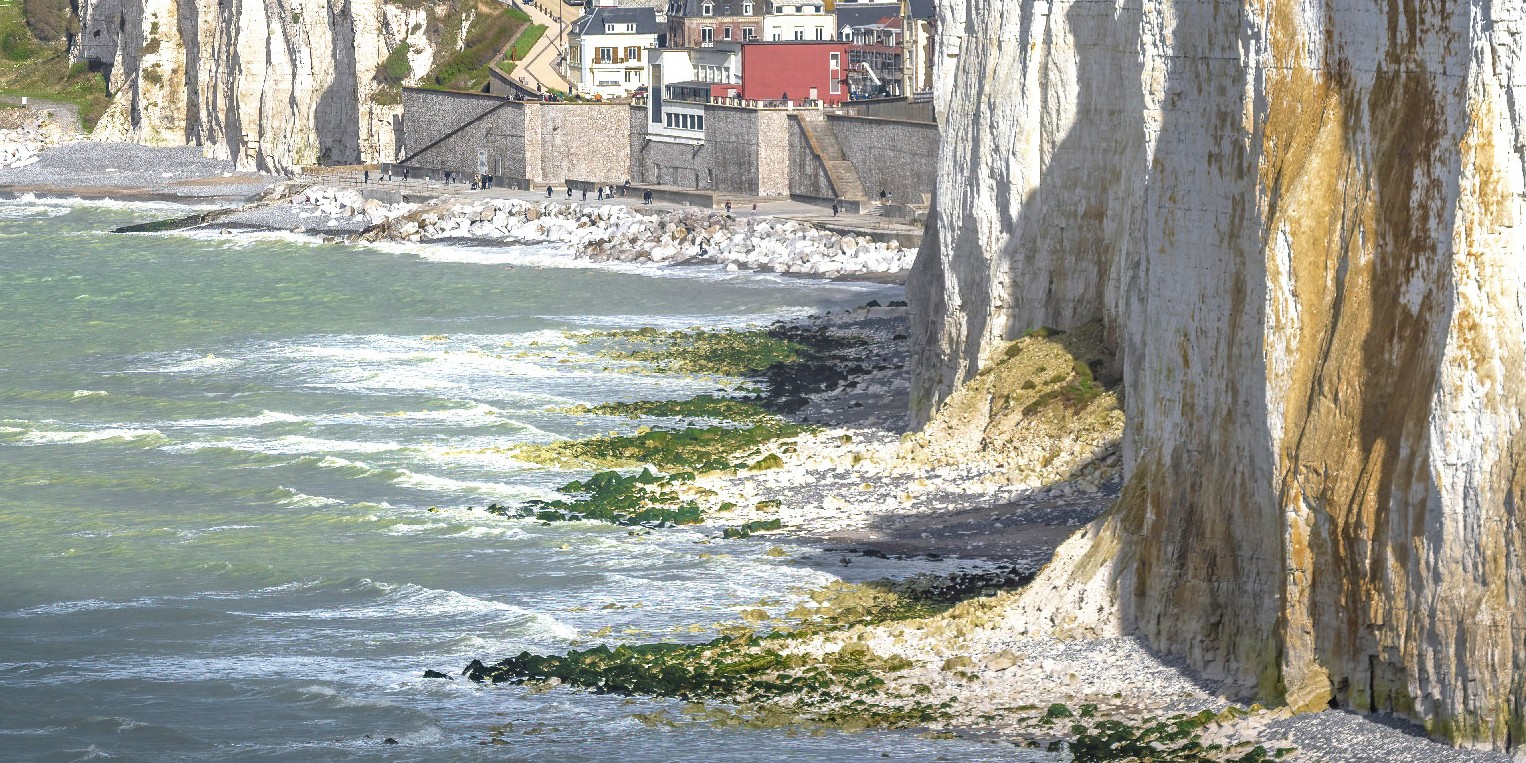
The chalk cliffs of Upper Normandy continue beyond the mouth of the Bresle at Mers-les-Bains as far as Ault and Onival.
View full page →Between the Opal Coast, the Bay of Somme, belfries, cathedrals and memorial sites, Hauts-de-France offers great diversity. This itinerary offers four days between the Pas-de-Calais, the Nord and the Somme.
The Opal Coast, between Calais and Boulogne, offers cliffs, dunes and big beaches. Cap Blanc-Nez and Cap Gris-Nez are landmarks, with views of England in clear weather. The Bay of Somme, further south, is a large estuary, with seals, birds and spectacular tides.
These landscapes are discovered on foot, by bike or by watching wildlife. Conditions change quickly: wind and tide need watching.
The belfries of the Nord and the Somme, World Heritage listed, symbolise the autonomy of towns in the Middle Ages. The cathedrals of Amiens, the largest in France by volume, and Arras, as well as the heritage of Lille and Douai, bear witness to the region's wealth.
The towns are explored on foot, with fine squares, mansions and museums. Lille in particular offers an active cultural and gastronomic life.
The region was marked by the fighting of the First World War, especially in the Somme and the Artois. Memorials, cemeteries, trenches and museums recall these events. Several of these sites are World Heritage listed as places of memory.
Visiting takes time and respect. Museums offer educational routes, often suited to families and school groups.
Four days let you discover the coast, the Bay of Somme, a few towns and one or two memorial sites. Group visits by area and keep time for local gastronomy.
The itinerary below groups the best-rated sites in the catalogue by proximity. Stay flexible according to the weather: museums and towns are good options on rainy days.
The map shows the numbered stops in visiting order, with one colour per day. The line follows the roads where available; otherwise it joins the stops as the crow flies. Distances and times are approximate (by car, without traffic).
This day brings together 5 sites close to each other: natural wonders, theme parks and aquariums. Allow half an hour to an hour and a half per site, plus travel time.
Driving for the day: about 156.0 km, or 2 h 35 behind the wheel in total (excluding visits).
The chalk cliffs of Upper Normandy continue beyond the mouth of the Bresle at Mers-les-Bains as far as Ault and Onival.
View full page →↓ 65.1 km · about 1 h 05 by car to the next stop
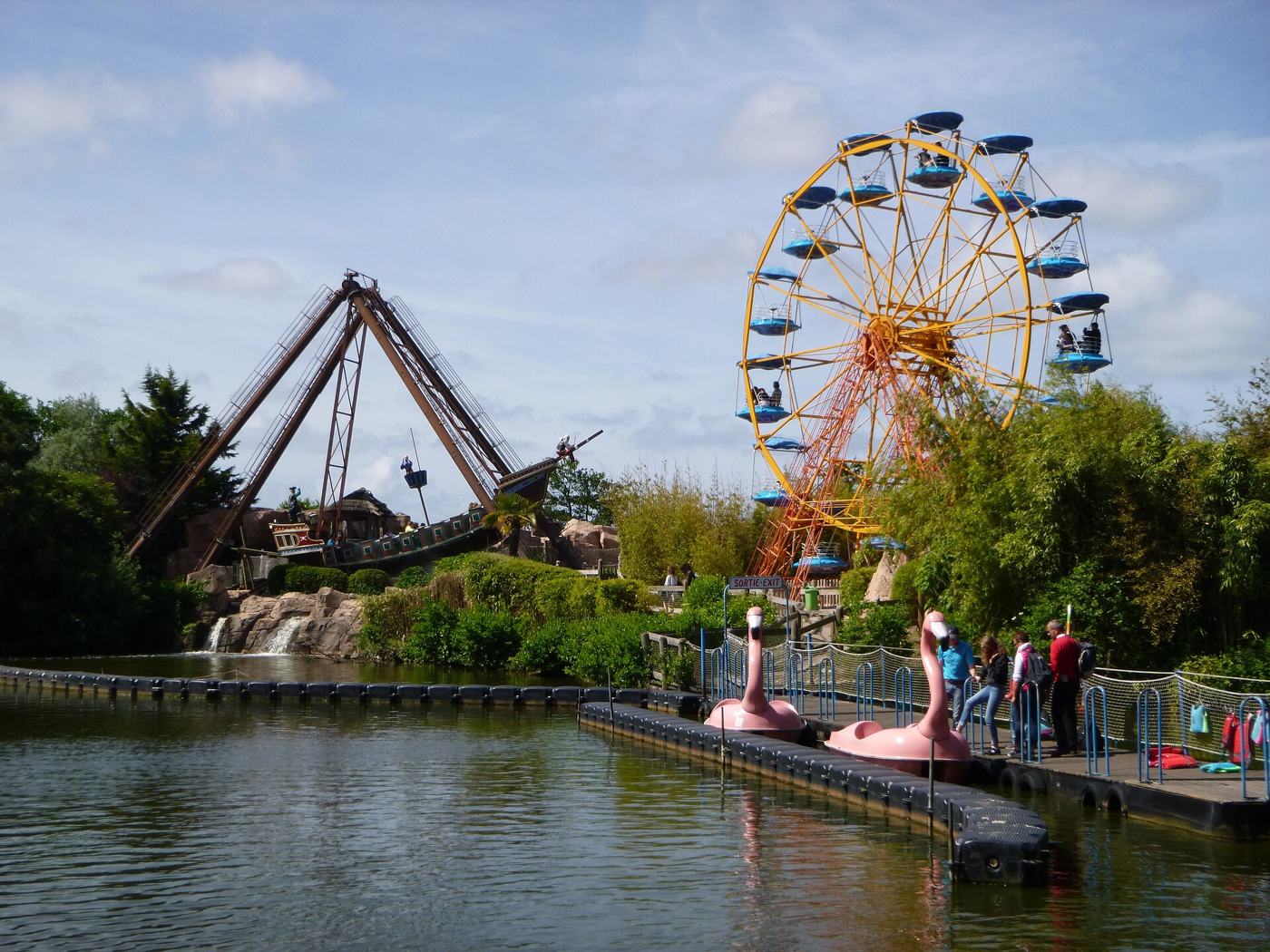
On the Opal Coast, Parc Bagatelle offers 40 attractions and a wildlife park. You can visit the park's website and discover the many attractions offered to the public.
View full page →↓ 55.1 km · about 42 min by car to the next stop
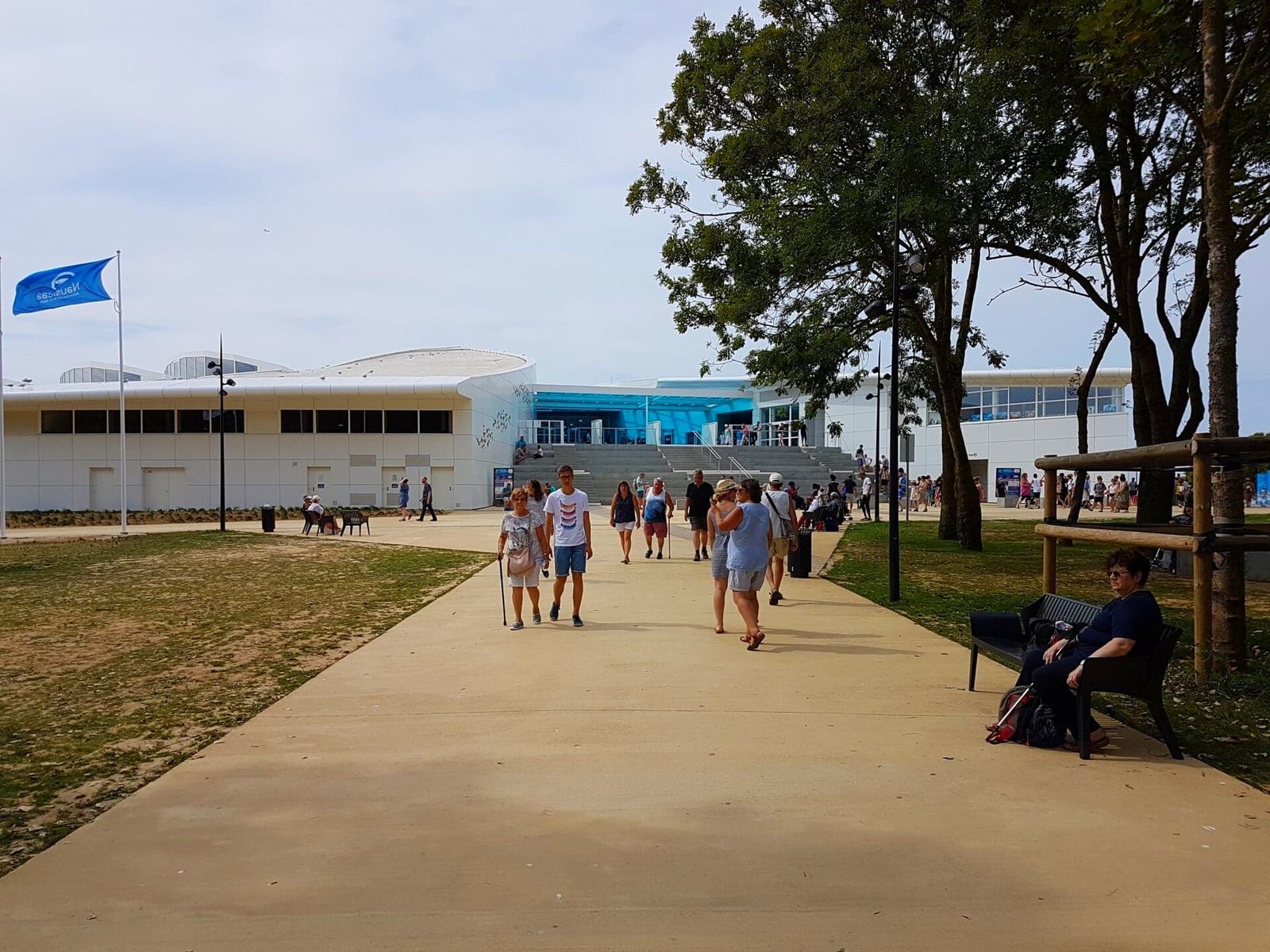
Nausicaá, in Boulogne-sur-Mer, along the beach, is much more than an aquarium: it is the largest European site devoted to discovering and raising awareness of the protection of the marine world.
View full page →↓ 18.6 km · about 26 min by car to the next stop
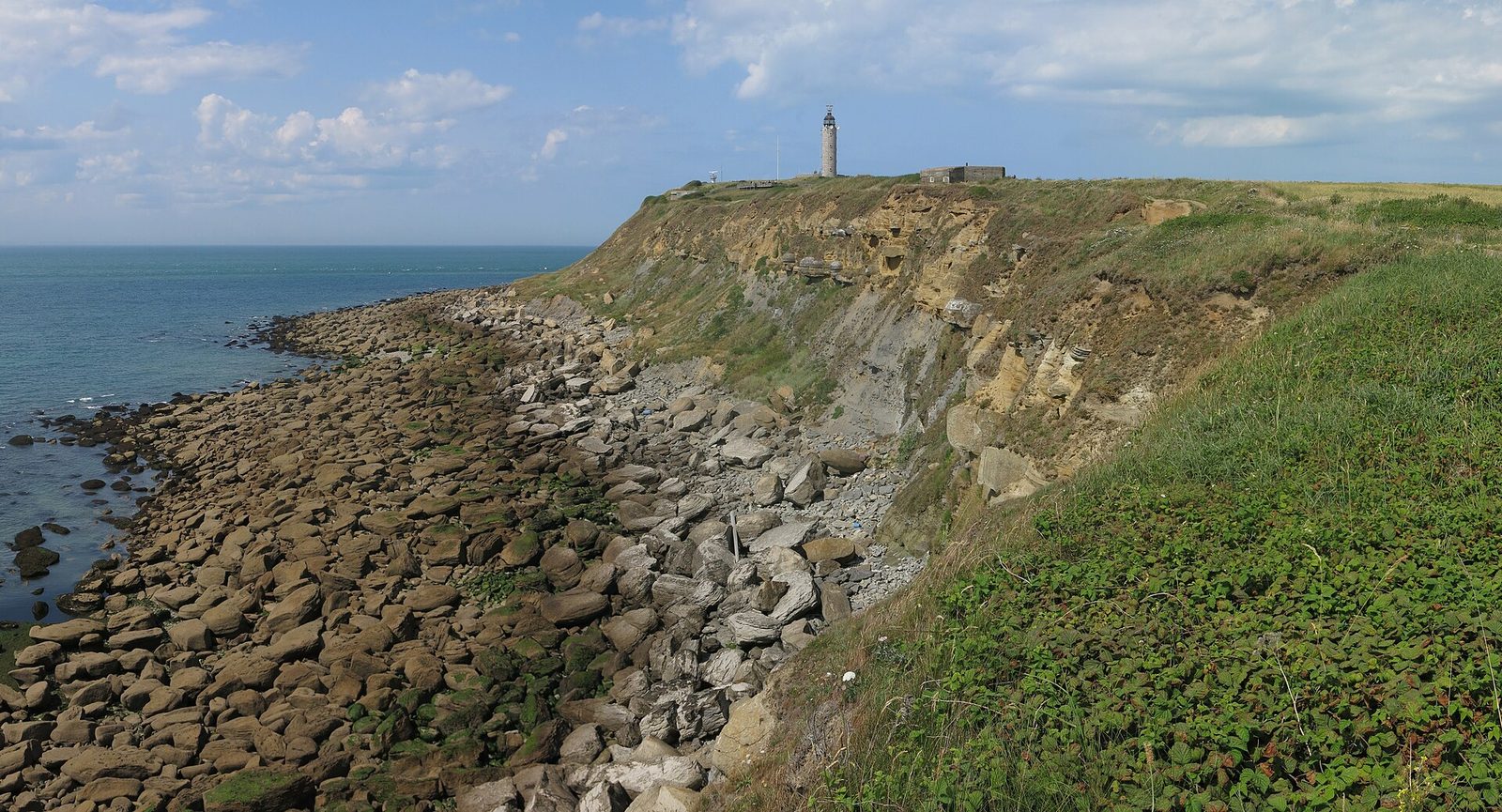
At Gris-Nez, you will grasp the full meaning of the word passage. Whether in the endless coming and going of boats, the flight of birds or the meeting of water, wind and this greying cliff.
View full page →↓ 17.3 km · about 22 min by car to the next stop
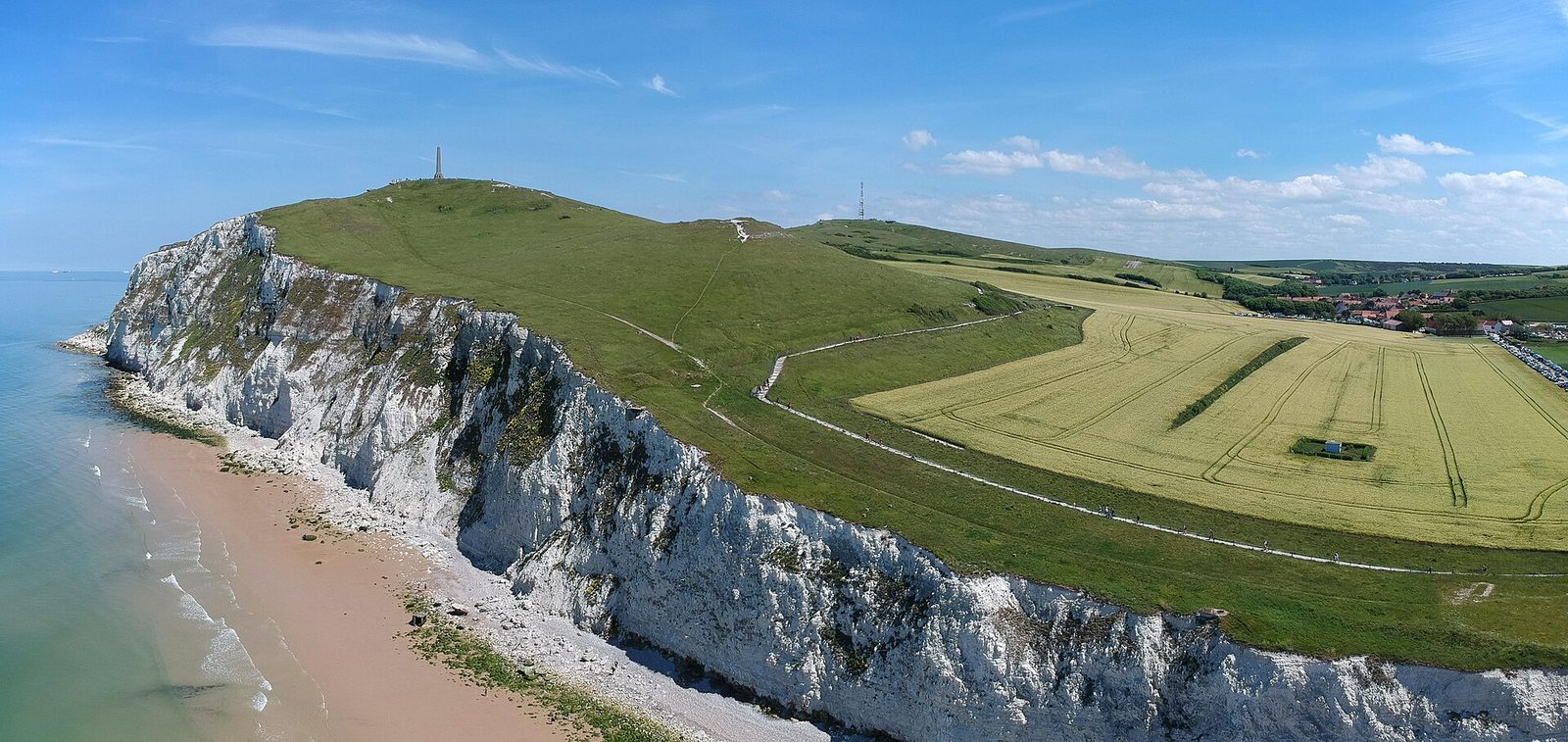
Mineralogy enthusiasts all know the famous Cap Blanc-Nez site (Boulogne-sur-Mer area, northern France): the chalk cliffs yield a great abundance of marcasite, crystallised in cockscomb form.
View full page →This day brings together 4 sites close to each other: castles, towns and cities and museums. It passes through Lille. Allow half an hour to an hour and a half per site, plus travel time.
Driving for the day: about 55.7 km, or 51 min behind the wheel in total (excluding visits).
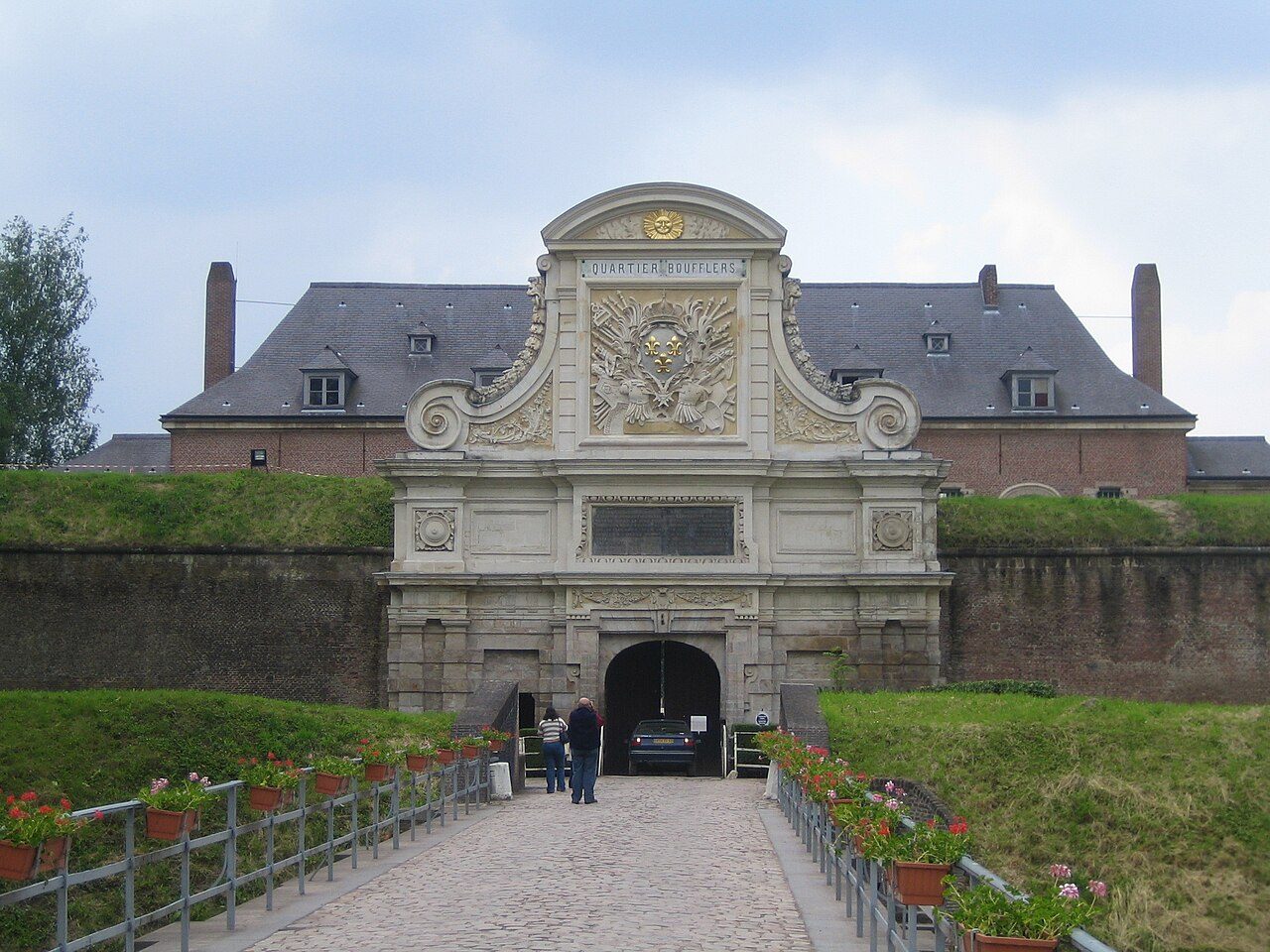
Called the queen of citadels, the Lille citadel was Vauban's first great personal achievement.
View full page →↓ 3.9 km · about 7 min by car to the next stop
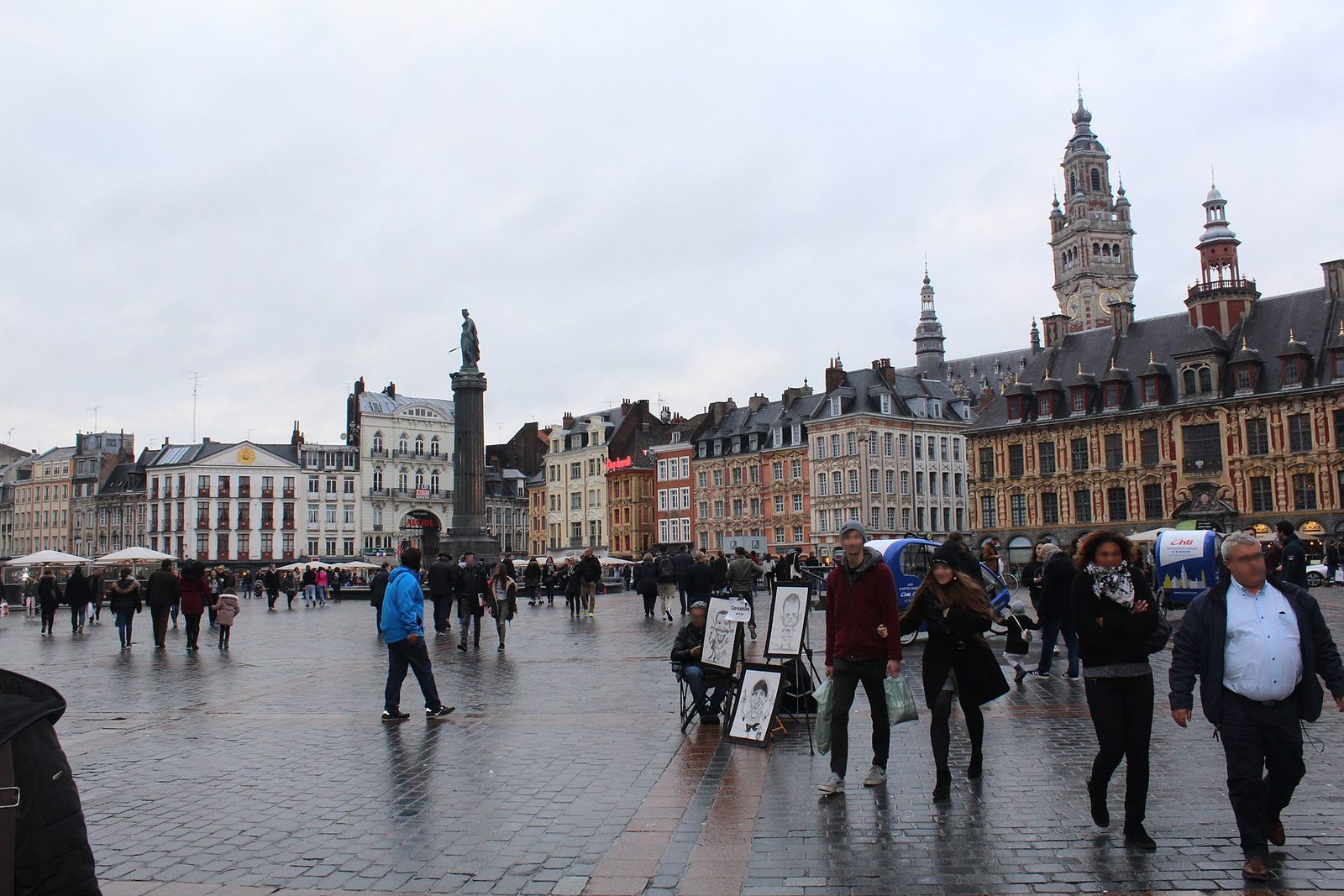
Capital of Hauts-de-France with a strongly asserted Flemish identity, whose Grand Place enlivens the heart of a historic centre with colourful Baroque façades.
View full page →↓ 1.1 km · about 4 min by car to the next stop

The Palais des Beaux-Arts is one of the leading French museums after the Louvre, thanks to its top-class collections.
View full page →↓ 50.6 km · about 40 min by car to the next stop
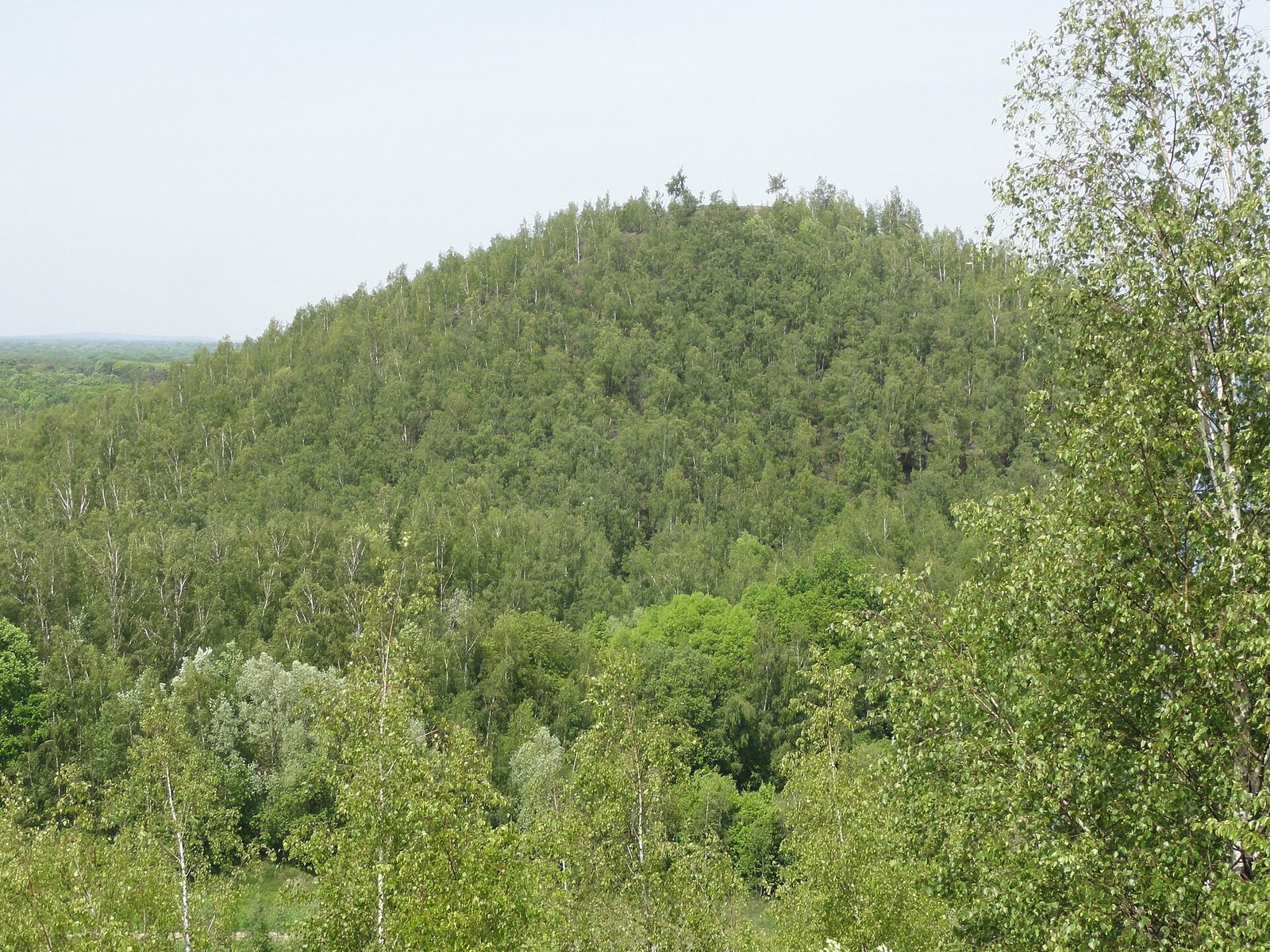
Thin seams and numerous faults characterise the coalfields of the Nord, which forced miners to extract very large volumes of "waste rock", often reaching half the tonnage of coal.
View full page →This day brings together 4 sites close to each other: castles, museums and towns and cities. It passes through Arras. Allow half an hour to an hour and a half per site, plus travel time.
Driving for the day: about 75.7 km, or 1 h 26 behind the wheel in total (excluding visits).
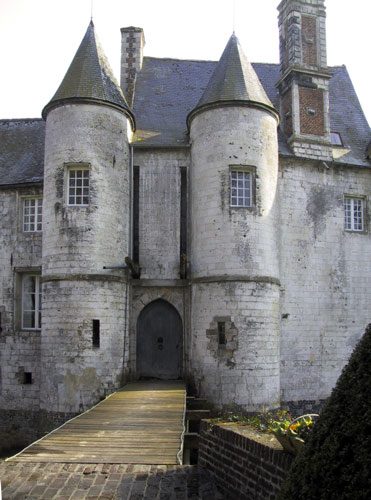
Etymologically, Créminil would mean "chalk manor". The castle was probably built in the fifteenth century on the ruins of a bastide destroyed by the English after Crécy.
View full page →↓ 21.7 km · about 30 min by car to the next stop
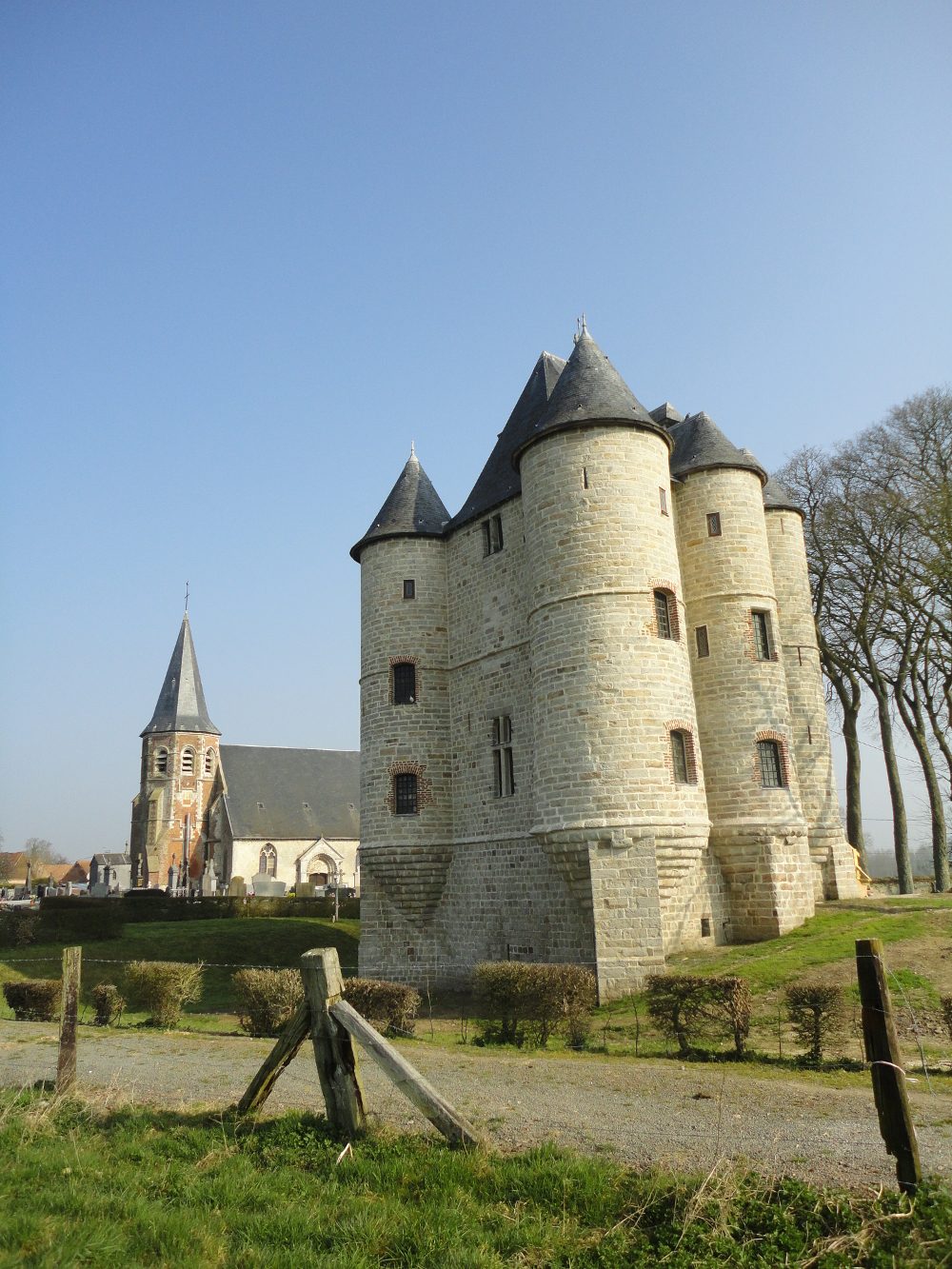
Listed as a Historic Monument since 1965, this tower, originally entirely of local Artois sandstone, was built in the fourteenth century.
View full page →↓ 35.3 km · about 37 min by car to the next stop
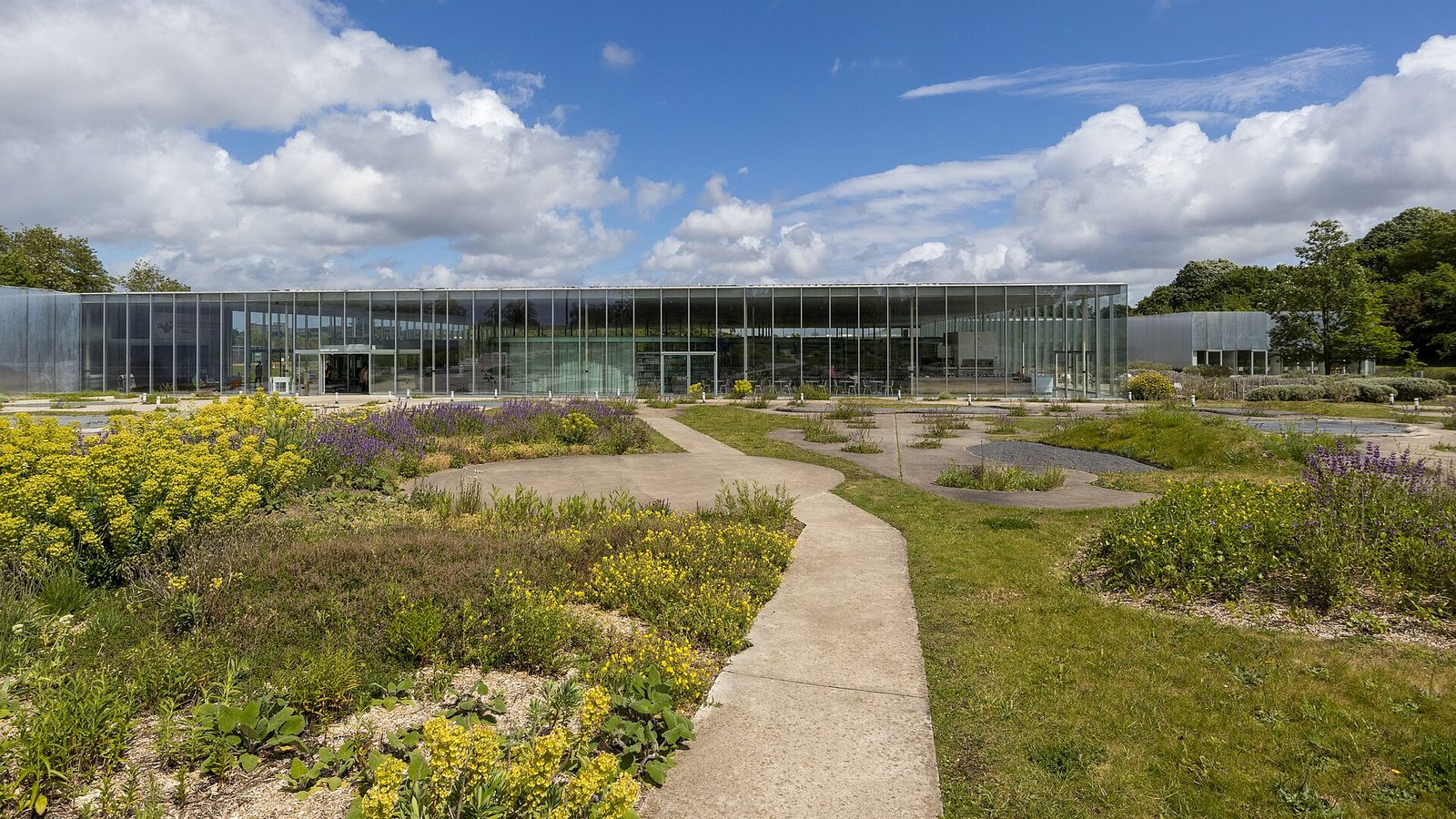
Inaugurated in December 2012, the Louvre-Lens is set on a former pithead, in the heart of the Nord-Pas-de-Calais Mining Basin, inscribed as UNESCO World Heritage.
View full page →↓ 18.8 km · about 19 min by car to the next stop
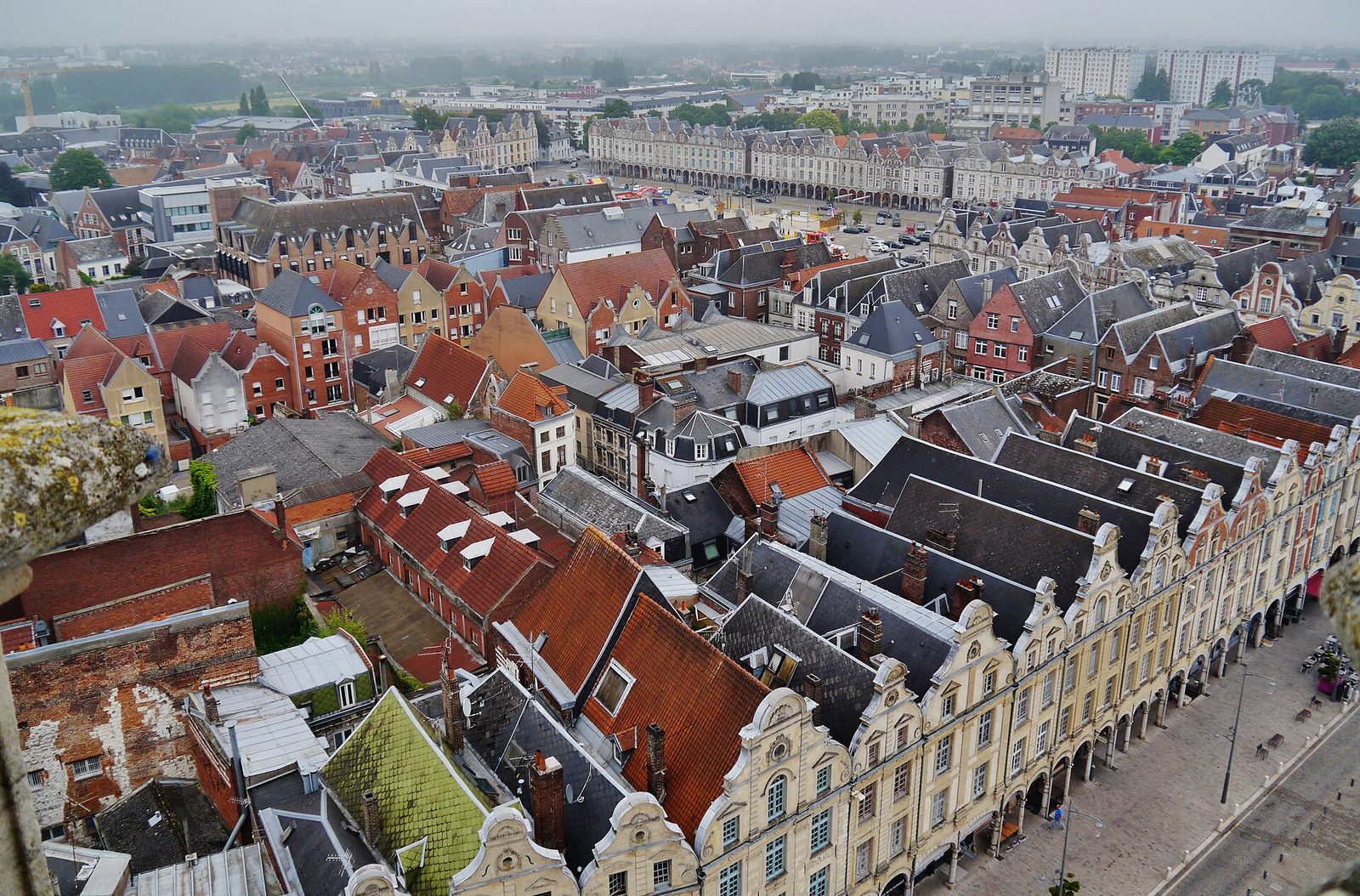
Prefecture of the Pas-de-Calais whose two Flemish Baroque squares, lined with arcades on pillars, are among the finest urban ensembles of the North.
View full page →This day brings together 3 sites close to each other: natural wonders and religious sites. Allow half an hour to an hour and a half per site, plus travel time.
Driving for the day: about 81.6 km, or 1 h 07 behind the wheel in total (excluding visits).
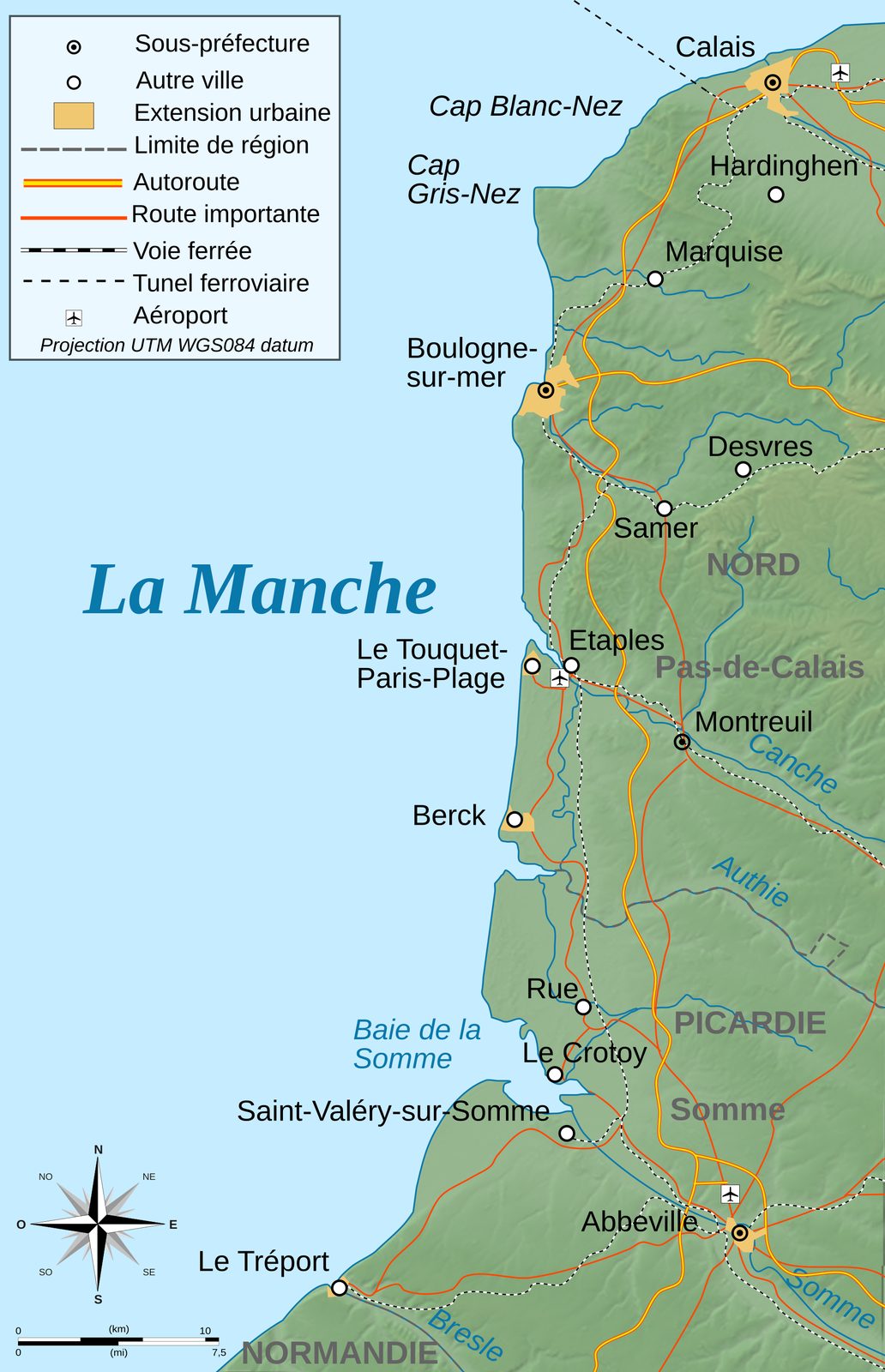
Ranked among the most beautiful bays in the world, the Bay of Somme is an exceptional natural site.
View full page →↓ 79.4 km · about 1 h 00 by car to the next stop
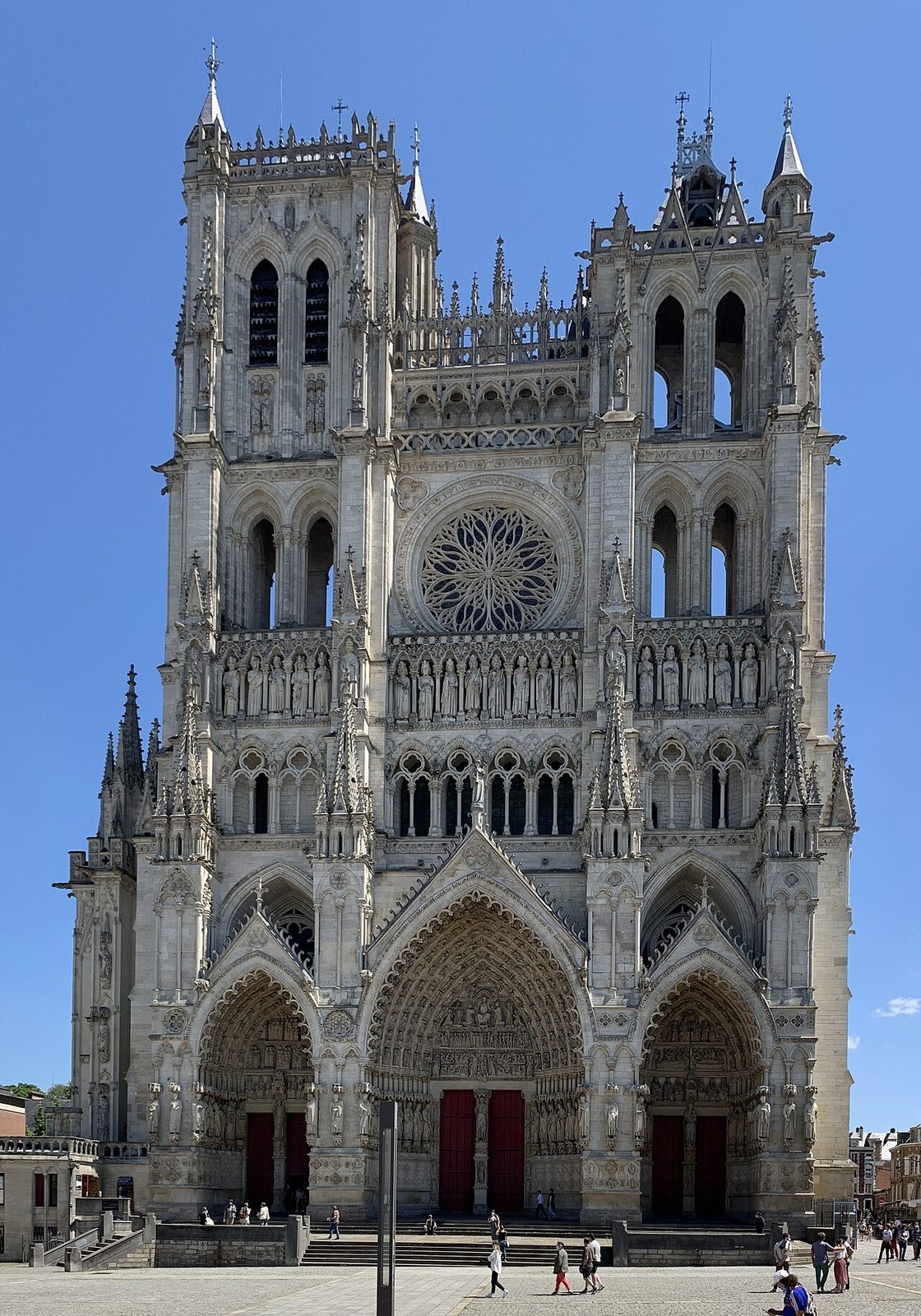
Amiens Cathedral of Notre-Dame, a UNESCO World Heritage site, is the largest Gothic cathedral in France, and is often considered one of the masterpieces of medieval architecture.
View full page →↓ 2.1 km · about 7 min by car to the next stop
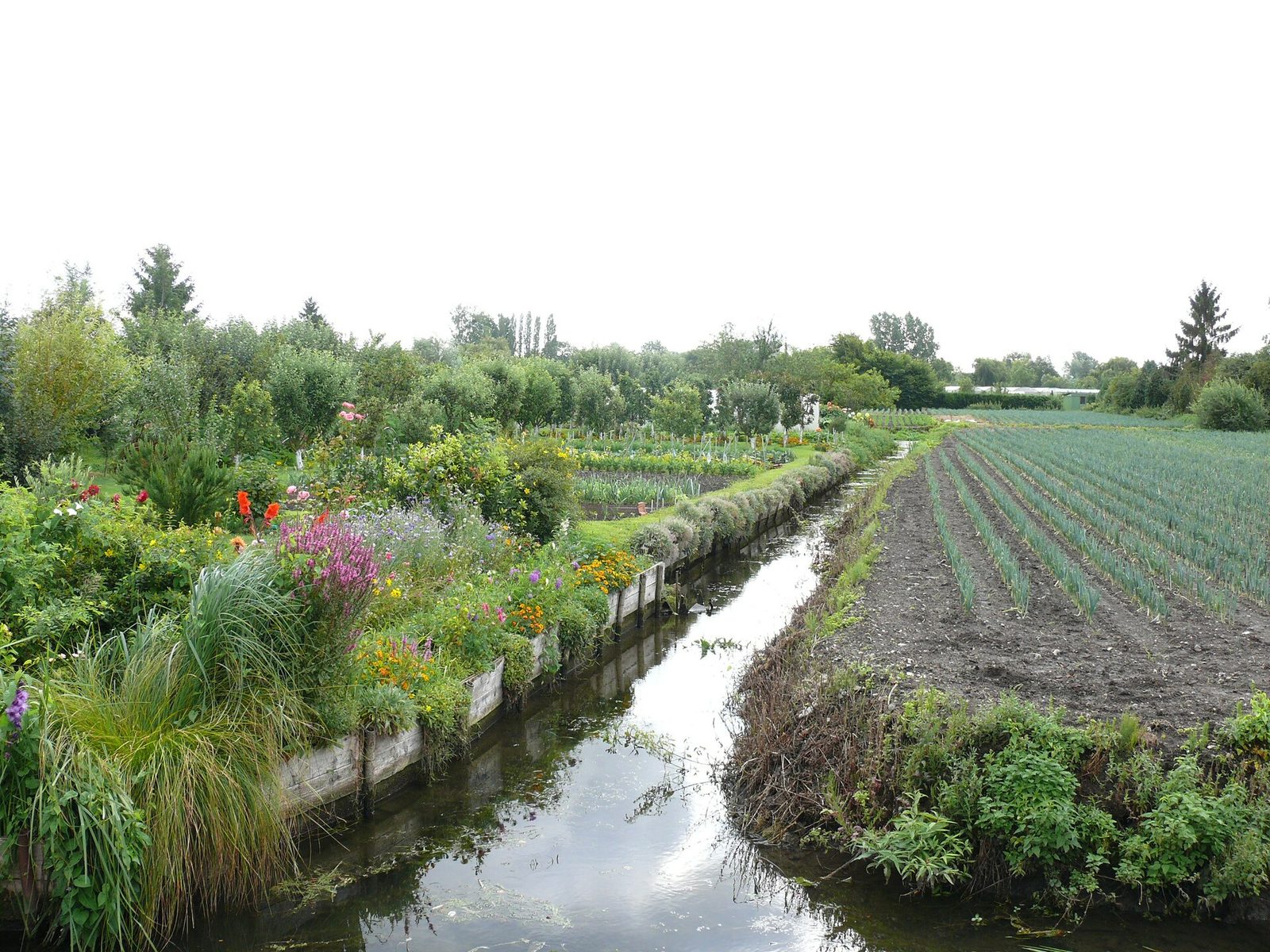
300 hectares of gardens stretch in the heart of the Amiens conurbation. They are cut across by 55 kilometres of rieux (small canals).
View full page →From May to September the weather is milder, but changes quickly. Spring and autumn are calmer. The wind can be strong on the coast, and tides affect visits to the Bay of Somme.
A car is practical for linking the coast and the interior, but trains serve Lille, Arras, Amiens and the coast. Towns are explored on foot. For the Bay of Somme, check tide times.
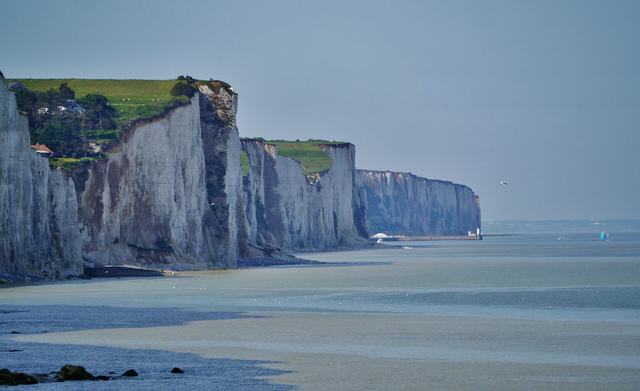
Perched on the chalk cliffs of the Picardy coast, the village of Ault overlooks the wooded valley of the Bois de Cise and its Belle Époque seaside villas. A striking contrast between vertiginous cliff and preserved plant hollow.
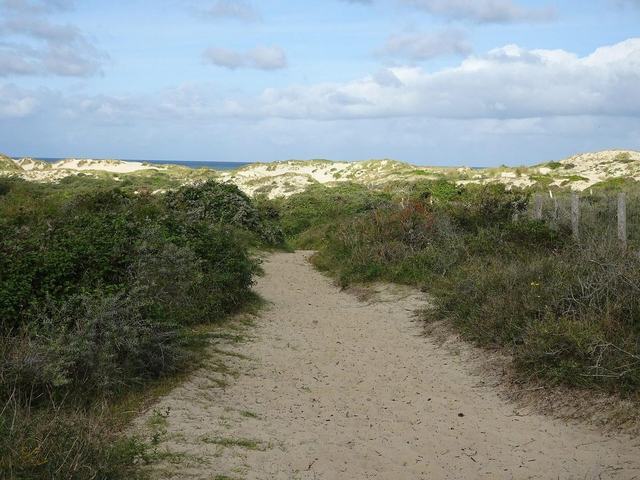
Rising to nearly 50 metres, the Merlimont dunes form the highest point of the natural region of the Marquenterre. This protected area, rich in flora and fauna specific to the sandy coast, borders the resort of Merlimont-Plage.

This exceptional ecological ensemble, a witness to the geomorphological history and the physical and biological diversity of the Boulonnais coast, has no equivalent on the scale of the European coastline.
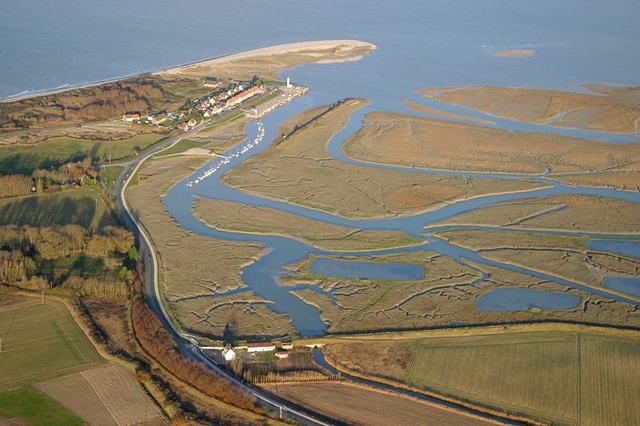
A small fishing port at the far south of the Somme estuary, the Pointe du Hourdel remains one of the last bastions of fishing on the Picardy coast.
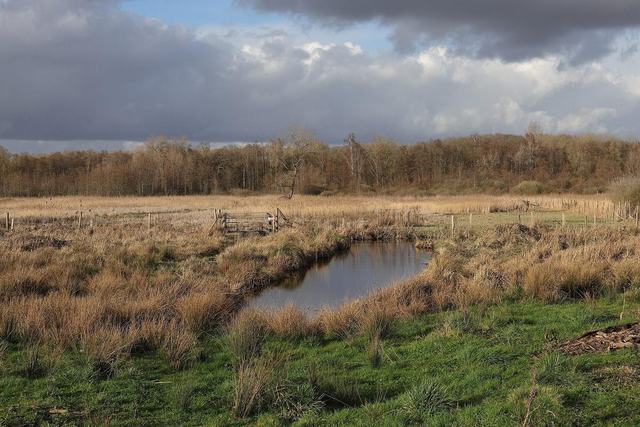
The Vred peat bog, an inland wetland of 41 ha, is part of the alluvial system of the lower Scarpe (nearly 40,000 ha).
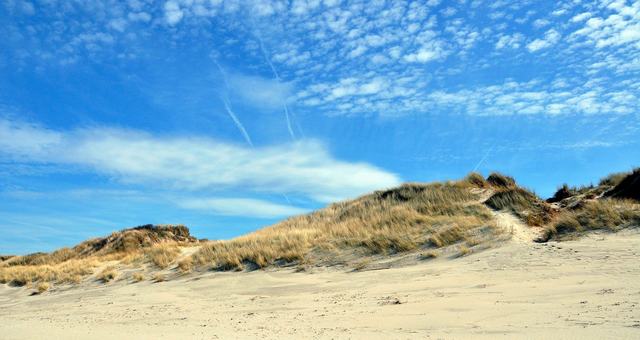
In the north of France, the Flanders Dunes extend over 15 kilometres of coastline, from the port of Dunkirk to the Belgian border, and continue over 11 kilometres to the mouth of the Yser at Nieuwpoort.