Discovering Côtes-d'Armor: a practical guide
Côtes-d'Armor has one of the most photographed coastlines in France, with the pink rocks of Ploumanac'h, the cliffs of Cap Fréhel and the island of Bréhat. Inland, the medieval town of Dinan, castles and wooded valleys complete the visit.
This practical guide helps you choose your stops and organise your trip. Underlined site names link to their detailed pages.
Understanding Côtes-d'Armor in a few minutes
The département is discovered mainly by its coast. To the west, the Pink Granite Coast stretches around Perros-Guirec, Trégastel and Trébeurden. In the centre, the Bay of Saint-Brieuc and its resorts, such as Val-André. To the east, the Emerald Coast begins at Cap Fréhel and Cap d'Erquy. Further north, Paimpol and the island of Bréhat form the Goëlo.
Inland, Dinan and Moncontour are characterful towns, and the Guingamp area leads towards central Brittany. The toll-free RN12 crosses the département from east to west.
- Coastal roads are slower but much more beautiful than the RN12.
- Plan two bases: one on the Pink Granite side, the other near Cap Fréhel.
- The weather changes quickly: keep a windbreaker handy.

Côte de Granit Rose
On this stretch of the Trégor coast, rocks of pinkish granite with shapes sculpted by erosion make up a landscape unique in France. The Customs Officers' path, between Perros-Guirec and Ploumanac'h, offers the most beautiful route.
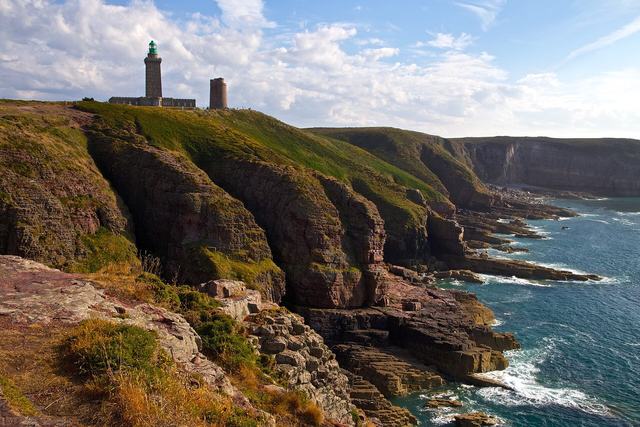
Cap Fréhel
Cap Fréhel is the largest area (nearly 400 hectares) of coastal heath on the French coasts.
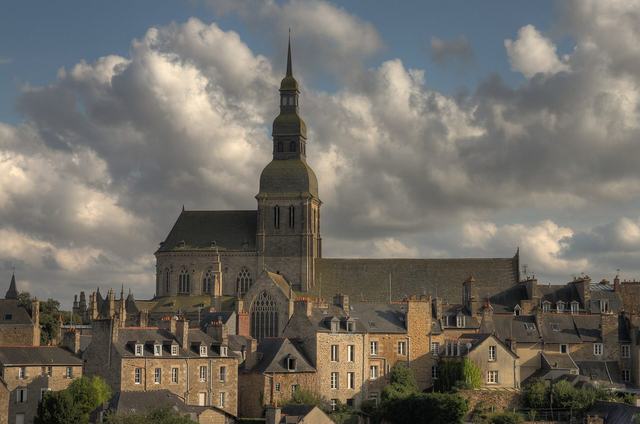
Dinan
Surrounded by 3 kilometres of ramparts, the medieval town of Dinan, unique in Brittany, and its many half-timbered houses have overlooked the Rance Valley since the eleventh century.
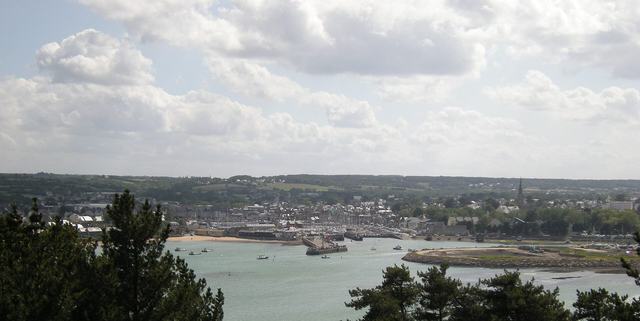
Paimpol
A Breton port made famous by the nineteenth-century cod-fishing campaigns off Iceland, now turned towards sailing and oyster farming.
Culture, history and heritage
The Fort La Latte, set on a spur facing the sea, is one of the most spectacular sites in Brittany. Dinan has kept its ramparts, its half-timbered houses and its castle. Inland, the ruins of the Château de Tonquédec and the Château de la Hunaudaye recall the Middle Ages, while the Château de Quintin and the Château de Rosanbo present more recent residences.
Maritime heritage is everywhere: fishing ports, chapels and lighthouses. For science lovers, the Cité des télécoms and the Planétarium de Bretagne, in Pleumeur-Bodou, are unusual visits. The ArchéoMusée Coriosolis traces the ancient history of the area.
- At Fort La Latte, come late in the day for the light.
- Central Dinan is hilly: wear good shoes.
- Several manor houses are private and can only be seen from outside.
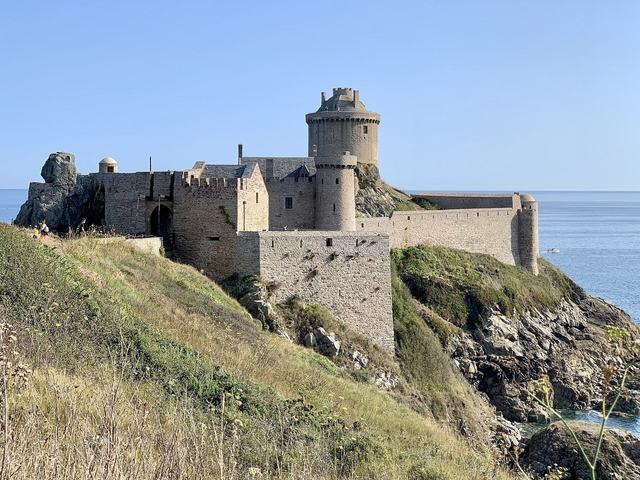
Château de Fort La Latte
Every castle has its legends, and Fort La Latte is no exception.
Dinan
Surrounded by 3 kilometres of ramparts, the medieval town of Dinan, unique in Brittany, and its many half-timbered houses have overlooked the Rance Valley since the eleventh century.
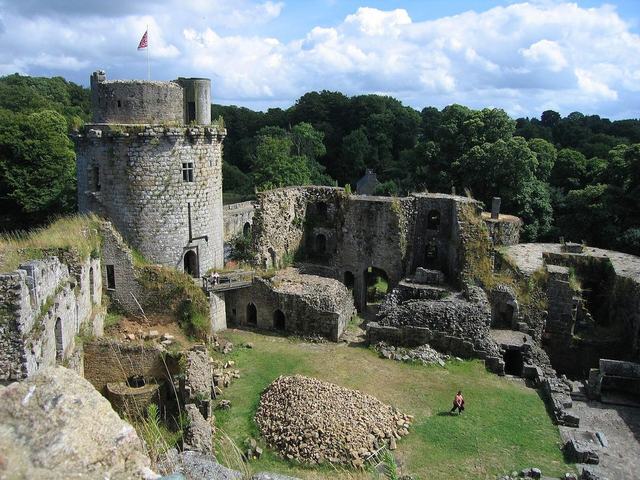
Château de Tonquédec
The imposing ruins of the château de Tonquédec stand in a fine setting, on a promontory overlooking the Léguer valley.

Cité des télécoms
Enjoy an unforgettable experience in Europe's largest culture and leisure centre devoted to telecommunications.
Food and local produce
Scallops from the Bay of Saint-Brieuc are the département's signature product, in season from October to April. Crêpes and galettes, seafood, cider and strawberries from nearby Plougastel are among the local pleasures.
Paimpol is famous for its coco, a white bean harvested at the end of summer. Markets in the ports and small towns are plentiful in season.
- Try fresh scallops in winter, at the height of the season.
- Paimpol coco beans can be found at late-summer markets.
- Dinan's crêperies are renowned.
Paimpol
A Breton port made famous by the nineteenth-century cod-fishing campaigns off Iceland, now turned towards sailing and oyster farming.
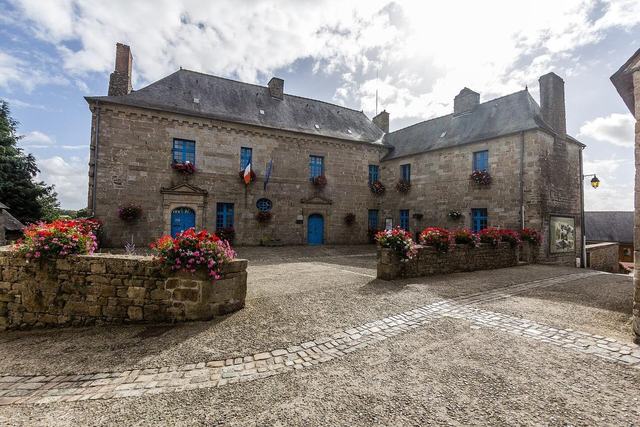
Moncontour
A small town of character in the very heart of the Côtes-d'Armor, between two valleys, Moncontour is a medieval village ringed by ramparts and perched on a rocky promontory.
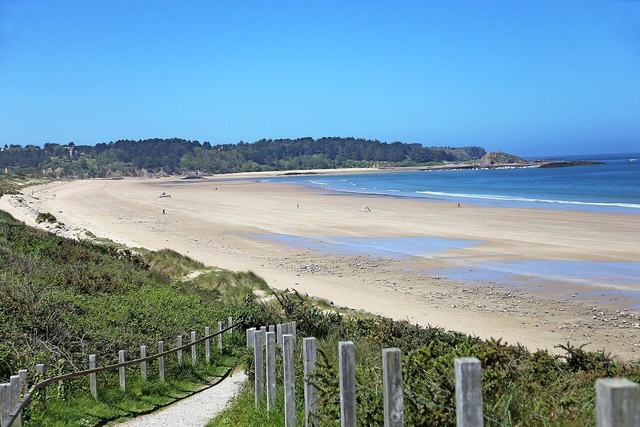
Plage des Sables-d'Or-les-Pins
The brilliance of its sand gave rise to a legend saying that the islet of Saint-Michel, off the little estuary, which once sheltered a treasure, was engulfed by the waves that scattered the gold ingots it hid.
Nature and wide open spaces
The Pink Granite Coast is the département's great natural show: the rocks of Ploumanac'h, the Chaos de l'Ile Renote, the Traouïero rock chaos and the Rochers de Trébeurden. Further east, Cap Fréhel and Cap d'Erquy offer heathland and pink sandstone cliffs.
To the north, the Sillon de Talbert is an astonishing shingle spit reaching into the sea, and the island of Bréhat is explored on foot or by bike. Inland, the Gorges du Corong offer a forest walk. With children, the Aquarium Marin de Trégastel, the Zooparc de Trégomeur and the Gallic Village are popular outings.
- The customs officers' path (GR34) is the best way to discover the Pink Granite Coast.
- Bréhat is car-free: take the ferry from the Pointe de l'Arcouest.
- Stay on the paths at Cap Fréhel to protect the heathland.
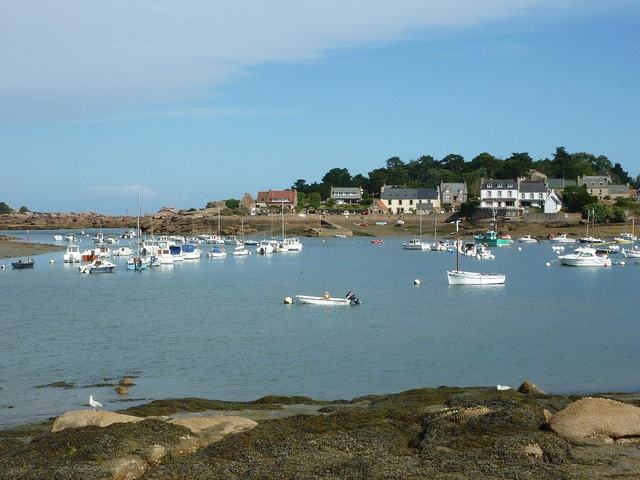
Les Rochers de Ploumanac'h
Sculpted by the sea and time, balanced in a sometimes more than improbable equilibrium, steeped in mystery and fuelling the imagination, the rocks recall the power of the natural elements.
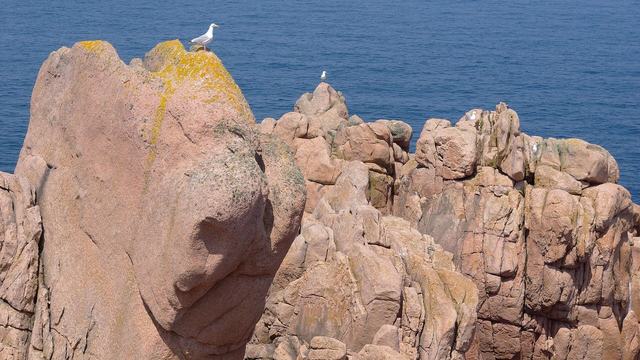
Ile de Bréhat
Île-de-Bréhat is a French commune in the Côtes-d'Armor département, north of the Pointe de l'Arcouest in Brittany, made up of the Bréhat archipelago, named after the main island.
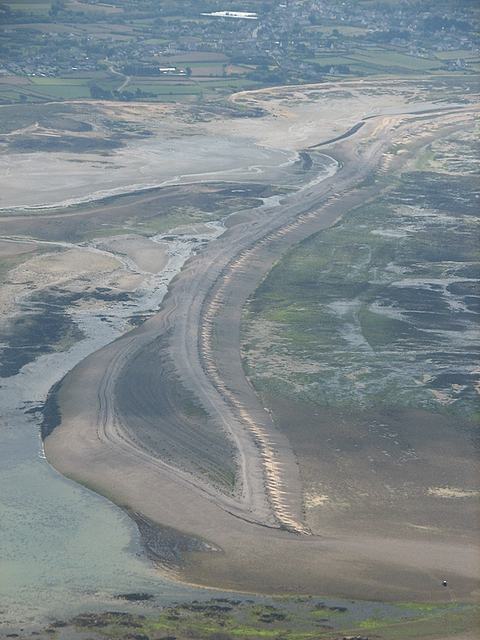
Sillon de Talbert
Phew! A haven of total peace, a place unique in the world for its specificity. An isthmus protected for bird breeding, notably the second classified site for the breeding of little terns.

Aquarium Marin de Trégastel
The Trégastel Marine Aquarium stands 100 metres from the beach and is hollowed out beneath a great pink granite boulder known as the "Père Éternel".
When to go and how to plan
Spring, with the heathland in flower, and early autumn are the most pleasant. Summer is mild and very busy on the coast. Winter is windy but good for walks and scallops.
A five-day trip can combine two days on the Pink Granite Coast, a day in Paimpol and Bréhat, then two days between Cap Fréhel, Fort La Latte and Dinan.
- Book the crossing to Bréhat in summer.
- Car parks at Cap Fréhel charge in season.
- Check tide times for walks on the foreshore.
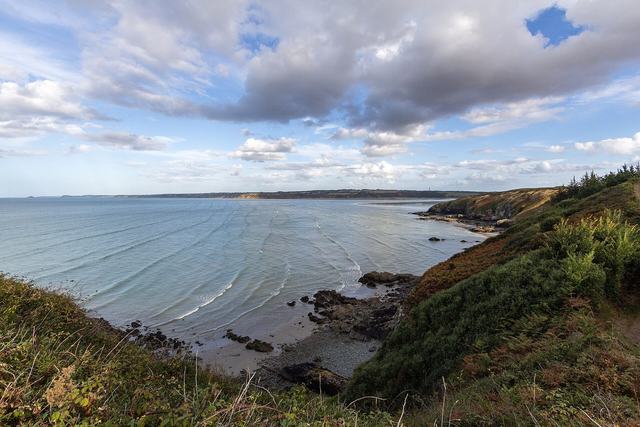
Cap d'Erquy
Pink sandstone cliffs 470 million years old, heaths and old quarries, at the eastern end of the bay of Saint-Brieuc.
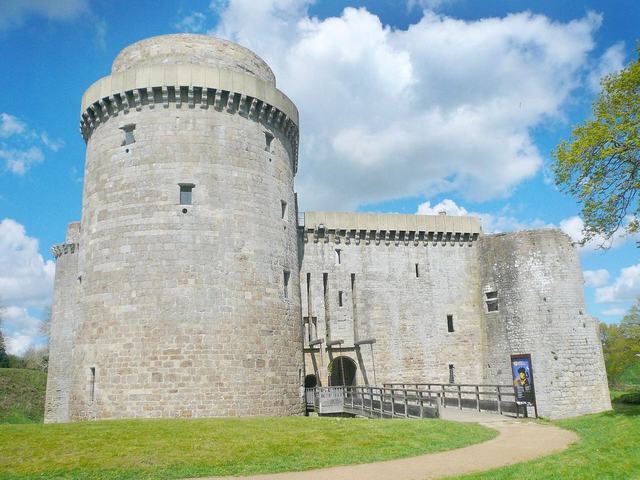
Château de la Hunaudaye
The vast forests of La Hunaudaye, Saint-Aubin and Coatjégu must have played a major role in choosing the site of this castle, built after 1220 by the Tournemine family, apparently on a significant site still unoccupied.
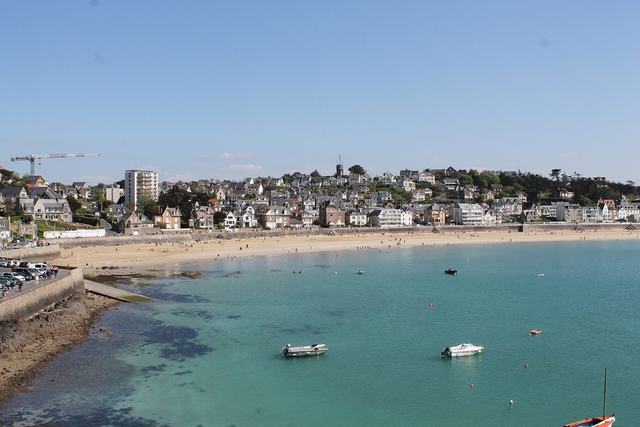
Plage du Val-André
A large sand beach of the Bay of Saint-Brieuc, bordered by a promenade seawall and Belle Époque villas.
Going further
Explore the départements of this area: