Discovering Gironde: a practical guide
Gironde combines a big city, famous vineyards, castles, a coast of dunes and a bay of great natural richness. In a few days you can mix cultural visits, tastings and beaches.
This practical guide helps you choose your stops and organise your trip. Underlined site names link to their detailed pages.
Understanding Gironde in a few minutes
The département is organised around Bordeaux, with Bordeaux, Port de la Lune, and its vineyards. In the south-east, Saint-Emilion; in the north, the Médoc and the Citadelle de Blaye; in the west, the coast with Arcachon, Cap Ferret and the La Dune du Pilat.
Distances are short: from Bordeaux to Arcachon takes about an hour. Bordeaux is an ideal base from which to explore.
- Choose Bordeaux as your base: the tram is practical.
- Book ahead for Saint-Emilion in summer.
- Avoid the Arcachon road on summer weekends.

Bordeaux, Port de la Lune
The historic centre of this port city in south-west France represents an exceptional urban and architectural ensemble, created in the Age of Enlightenment, whose values lasted until the first half of the twentieth century.
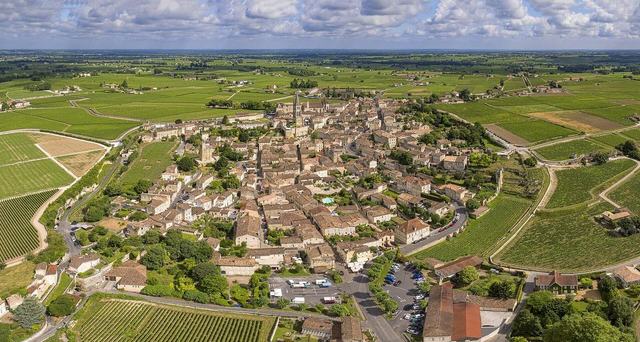
Saint-Emilion
Saint-Émilion is a commune in south-west France, in the Gironde département and the Aquitaine region.

Arcachon
A seaside resort created in the nineteenth century on the shores of the bay, famous for its Ville d'Hiver with extravagant villas nestled in the pine forest.

La Dune du Pilat
Nestled between ocean and forest, the largest dune in Europe proudly overlooks the entrance to Arcachon Bay from its 109 m. The beauty of its landscape, endlessly sculpted by wind and tides, makes it a true wonder of nature, ephemeral and fragile.
Culture, history and heritage
Bordeaux is a UNESCO World Heritage city, and the Musée d'Aquitaine traces the history of the region. The castle heritage is rich: Château de Cadillac, Château de Rauzan, Château de Roquetaillade, Château de Villandraut, Château de La Brède, Château de Vayres, Château de Blanquefort, Château Dillon, Château de Malle, Château de Langoiran.
The Citadelle de Blaye is a work of Vauban. Among the great names of wine, Château Margaux and Château Malromé tell the story of the estates. The Phare de Cordouan is one of the oldest lighthouses in France.
- Cordouan is visited by boat, depending on the tides.
- Many castles are visited by reservation.
- Wine estates often offer guided tours.
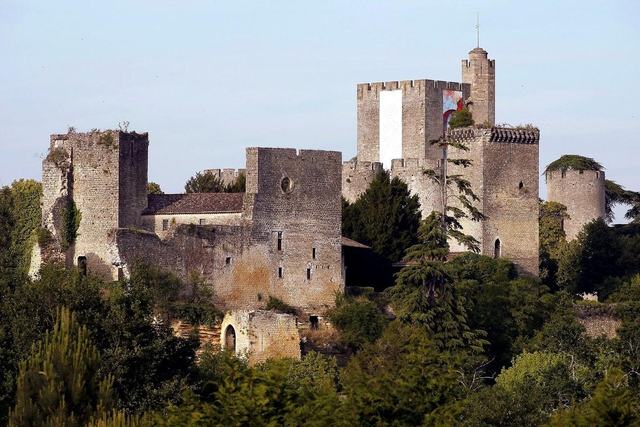
Château de Roquetaillade
Roquetaillade, in the heart of Aquitaine, is an architectural ensemble made of two castles of the twelfth and early fourteenth centuries, both within the same enclosure.

Château de La Brède
The château de La Brède, 20 km south of Bordeaux, is an exceptional building historically, architecturally and naturally.

Château Margaux
Known from the twelfth century, it was then called "la Mothe de Margaux" and did not yet own vines.
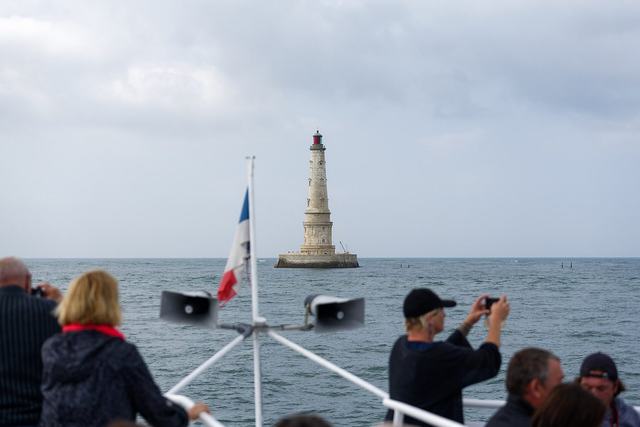
Phare de Cordouan
A monumental lighthouse at the mouth of the Gironde, nicknamed the "king of lighthouses", inscribed as UNESCO World Heritage.
Food and local produce
Gironde is wine country: Médoc, Saint-Emilion, Pomerol, Graves, Sauternes and Entre-deux-Mers. You can also try Arcachon Bay oysters, canelés, Pauillac lamb, entrecôte à la bordelaise and lamprey in season.
Tastings at the estates often have to be booked in advance. In Arcachon, oyster farmers' huts are good places to taste.
- Nominate a driver for tastings.
- Book estate visits in advance.
- Taste the oysters straight from the oyster farmers.
Saint-Emilion
Saint-Émilion is a commune in south-west France, in the Gironde département and the Aquitaine region.
Arcachon
A seaside resort created in the nineteenth century on the shores of the bay, famous for its Ville d'Hiver with extravagant villas nestled in the pine forest.
Château Margaux
Known from the twelfth century, it was then called "la Mothe de Margaux" and did not yet own vines.
Nature and wide open spaces
The La Dune du Pilat is the tallest dune in Europe. The Bassin d'Arcachon, Cap Ferret and the Banc d'Arguin are exceptional sites. The Parc Ornithologique du Teich is a birdwatching site.
For children, several parks are accessible: Zoo du Bassin d'Arcachon, Parc de la Coccinelle, Zoo de Bordeaux Pessac, Ferme Exotique. In Bordeaux, the Jardin botanique de Bordeaux is a quiet stroll.
- Climb the dune early in the morning or late in the day.
- Check tide times for the Banc d'Arguin.
- Respect the protected areas.
La Dune du Pilat
Nestled between ocean and forest, the largest dune in Europe proudly overlooks the entrance to Arcachon Bay from its 109 m. The beauty of its landscape, endlessly sculpted by wind and tides, makes it a true wonder of nature, ephemeral and fragile.
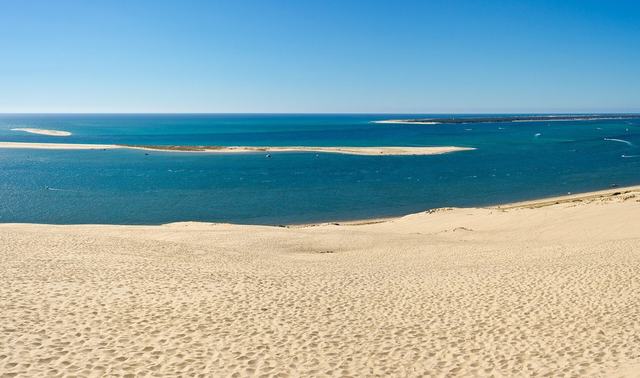
Banc d'Arguin
A sandbank at the entrance of Arcachon Bay, a nature reserve and bird refuge, facing the Dune du Pilat.
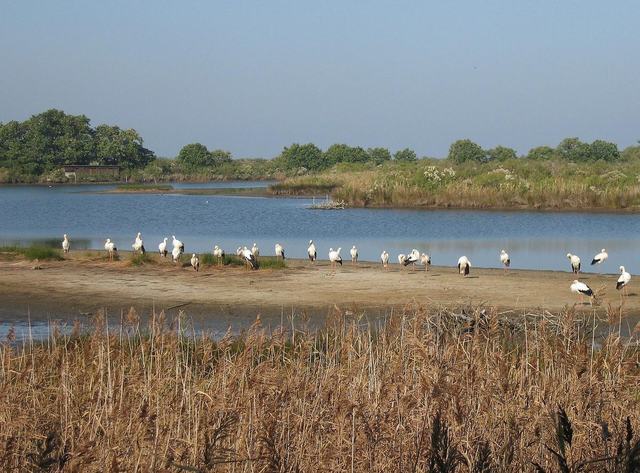
Parc Ornithologique du Teich
Discovery of more than 250 species following one another with the seasons. A site of international importance for bird conservation.
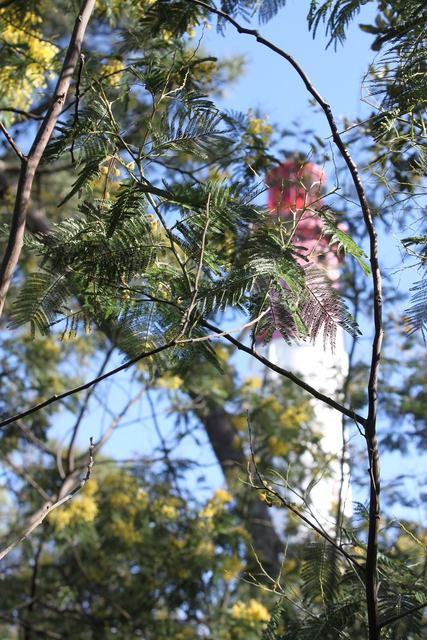
Cap Ferret
The tip of the Gironde peninsula between the Atlantic Ocean and Arcachon Bay, famous for its red-and-brick lighthouse and its oyster huts.
When to go and how to plan
June and September are the best months: moderate heat and fewer people. July and August are busy on the coast. The grape harvest, in September and October, is a lively time in the vineyards.
Bordeaux is well served by train and plane. A car is useful for the vineyards and the coast. A four-day trip can combine Bordeaux, Saint-Emilion, then Arcachon and the Dune du Pilat.
- Book accommodation in advance in summer.
- Avoid the hottest hours for visits.
- Bring sun protection on the dune.
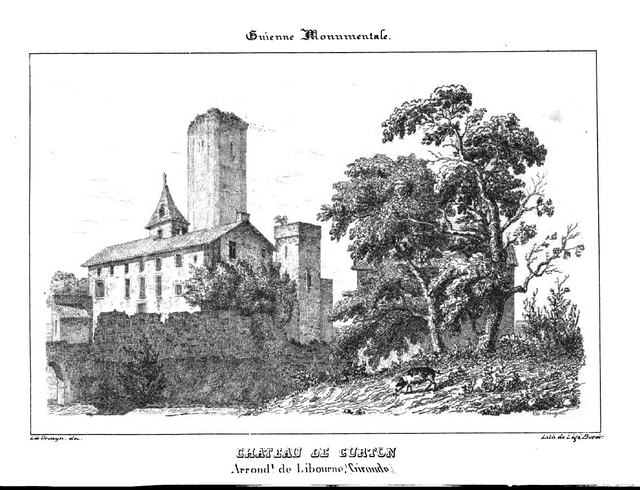
Château de Curton
The château de Curton, in the Entre-deux-Mers 30 kilometres from Bordeaux, is an authentic medieval castle dating from the thirteenth century.

Château du Bouilh
Built in the eighteenth century by the architect Victor Louis, the castle was a commission from the Marquis de la Tour du Pin to welcome Louis XVI.
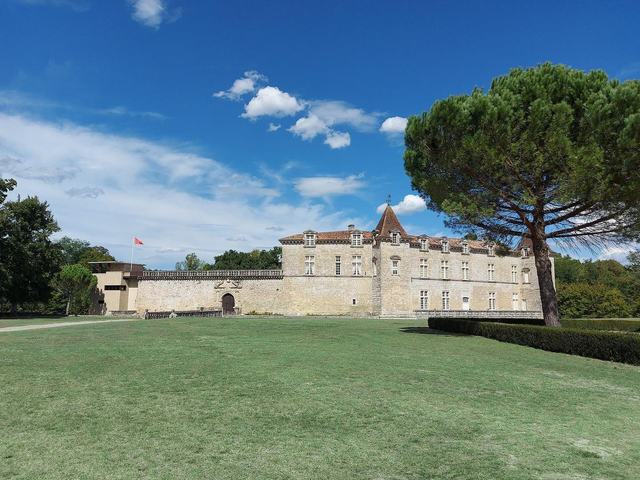
Château de Cazeneuve
The Royal Château de Cazeneuve, 13th–17th century, near Bordeaux along the Ciron Gorges (Natura 2000), former property of the Kings of Navarre, King Henry IV and Queen Margot, is entirely restored, its Royal Apartments furnished in period style and its outbuildings fitted out: wine store, cellars…
Going further
Explore the départements of this area: