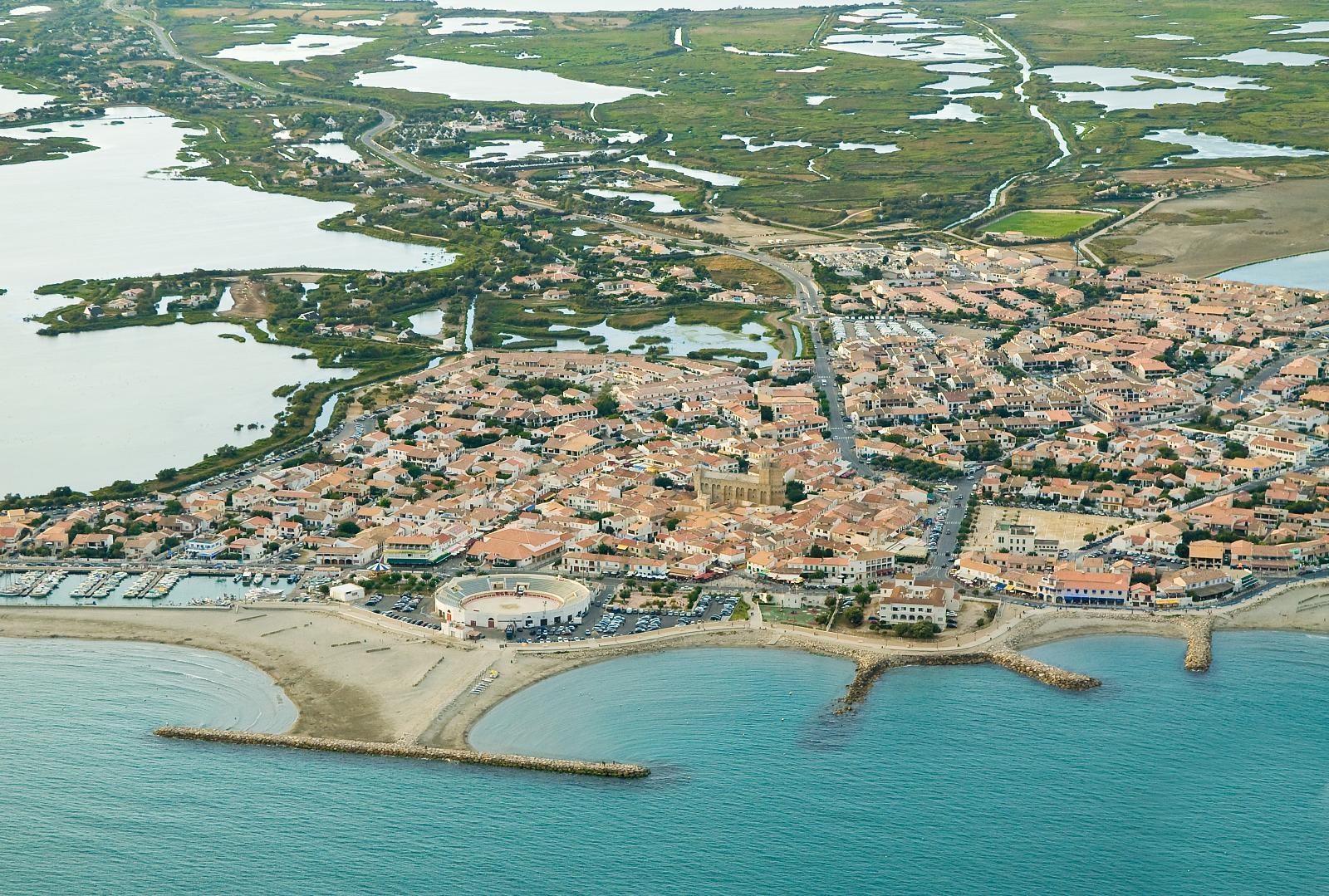
1 Saintes-Maries-de-la-Mer
The capital of the Camargue facing the Mediterranean, this village with the air of a small Spanish port hosts a famous Gypsy pilgrimage every year around its fortified Romanesque church.
View full page →Pink flamingos, white horses and lagoons as far as the eye can see on one side, stone villages and limestone hills on the other: the Camargue and the Alpilles are best explored together, with Arles and its Roman heritage in between.
The map shows the numbered stops in visiting order, with one colour per day. The line follows the roads where available; otherwise it joins the stops as the crow flies. Distances and times are approximate (by car, without traffic).
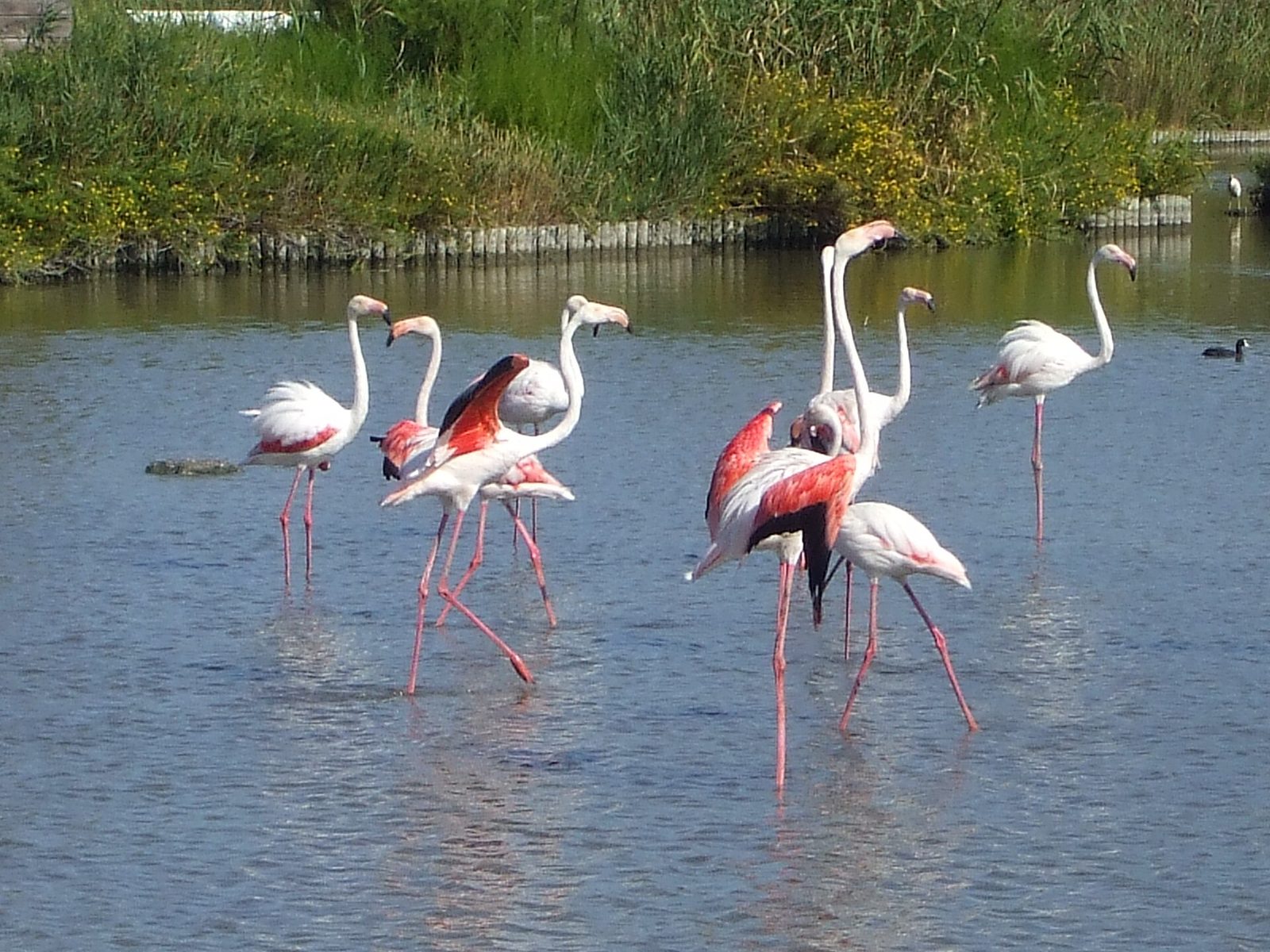
The Camargue: Saintes-Maries-de-la-Mer, the Pont de Gau bird park to watch the flamingos, then the shores of the Vaccarès lagoon.
The capital of the Camargue facing the Mediterranean, this village with the air of a small Spanish port hosts a famous Gypsy pilgrimage every year around its fortified Romanesque church.
View full page →
In the heart of the Camargue, a 60-hectare natural area lets you combine the pleasure of a walk with the discovery of more than 300 species of wild birds, which you can see surprisingly close up.
View full page →
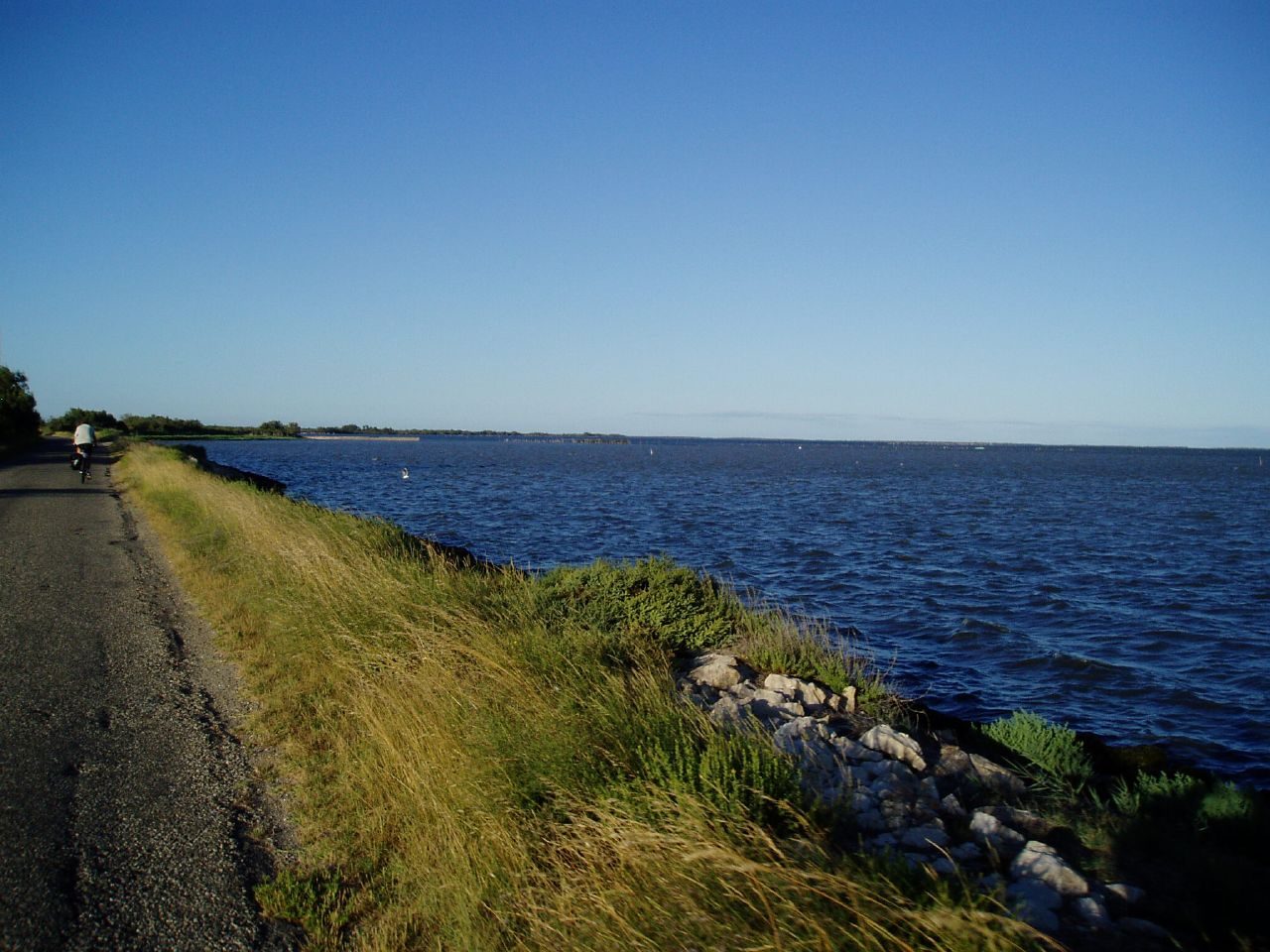
The beating heart of the Camargue nature reserve, this vast 6,500-hectare lake concentrates one of the richest populations of waterbirds in Europe. Flamingos, herons and ducks can be seen from several developed observation points.
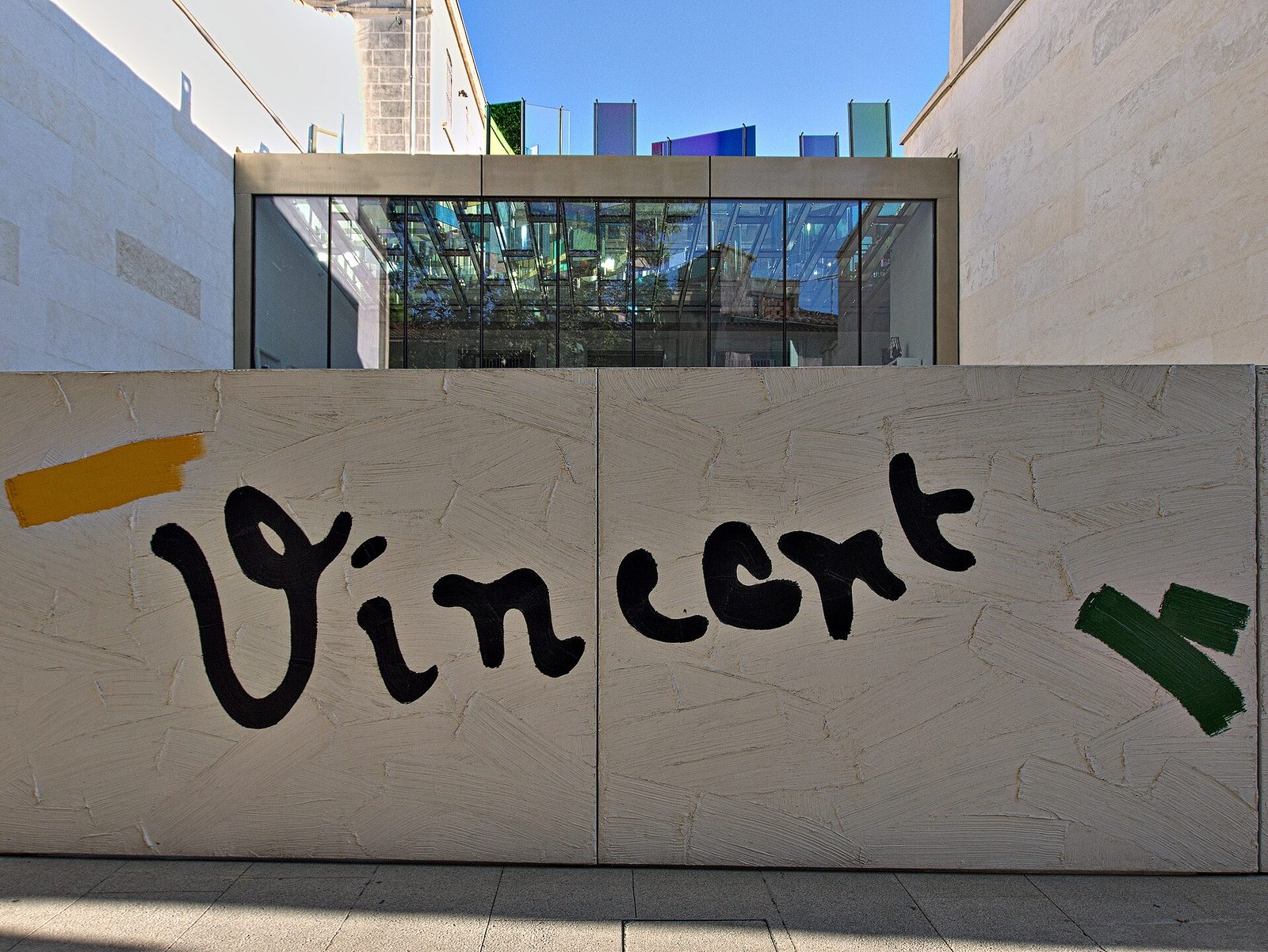
View full page →Arles: the Arles Antique departmental museum, the Vincent van Gogh Foundation and, a few kilometres away, Montmajour Abbey.
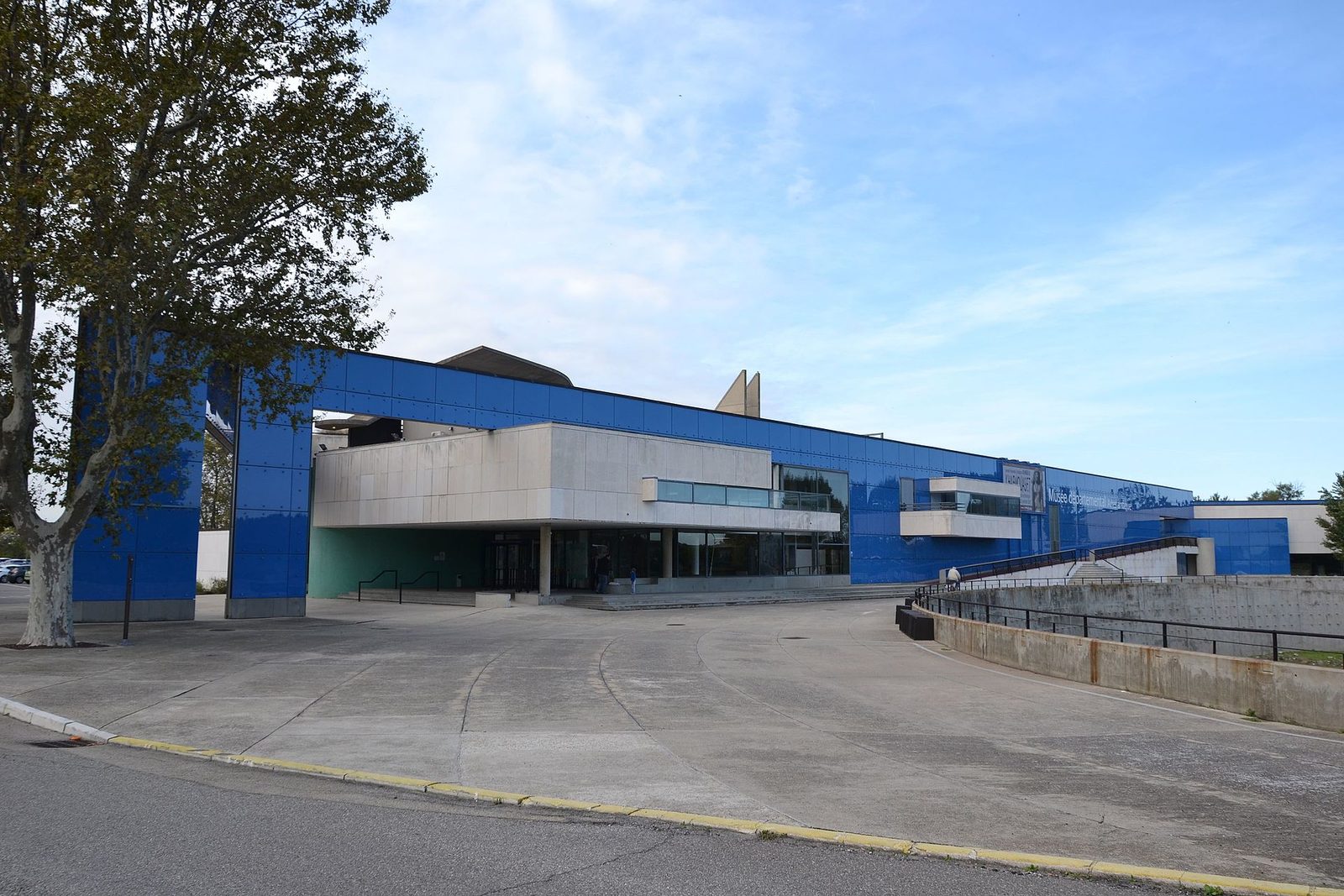
It is in Arles, in the heart of Provence, that you will discover this exceptional museum that presents one of the richest archaeological collections in France, heritage of the prestigious past of the town.
View full page →
The museum at 24 bis Rond-point des Arènes in Arles is open every day except Monday from 11 am to 5 pm until 31 March, then from 1 April 2007 7 days a week from 10 am to 6 pm until 24 June.
View full page →
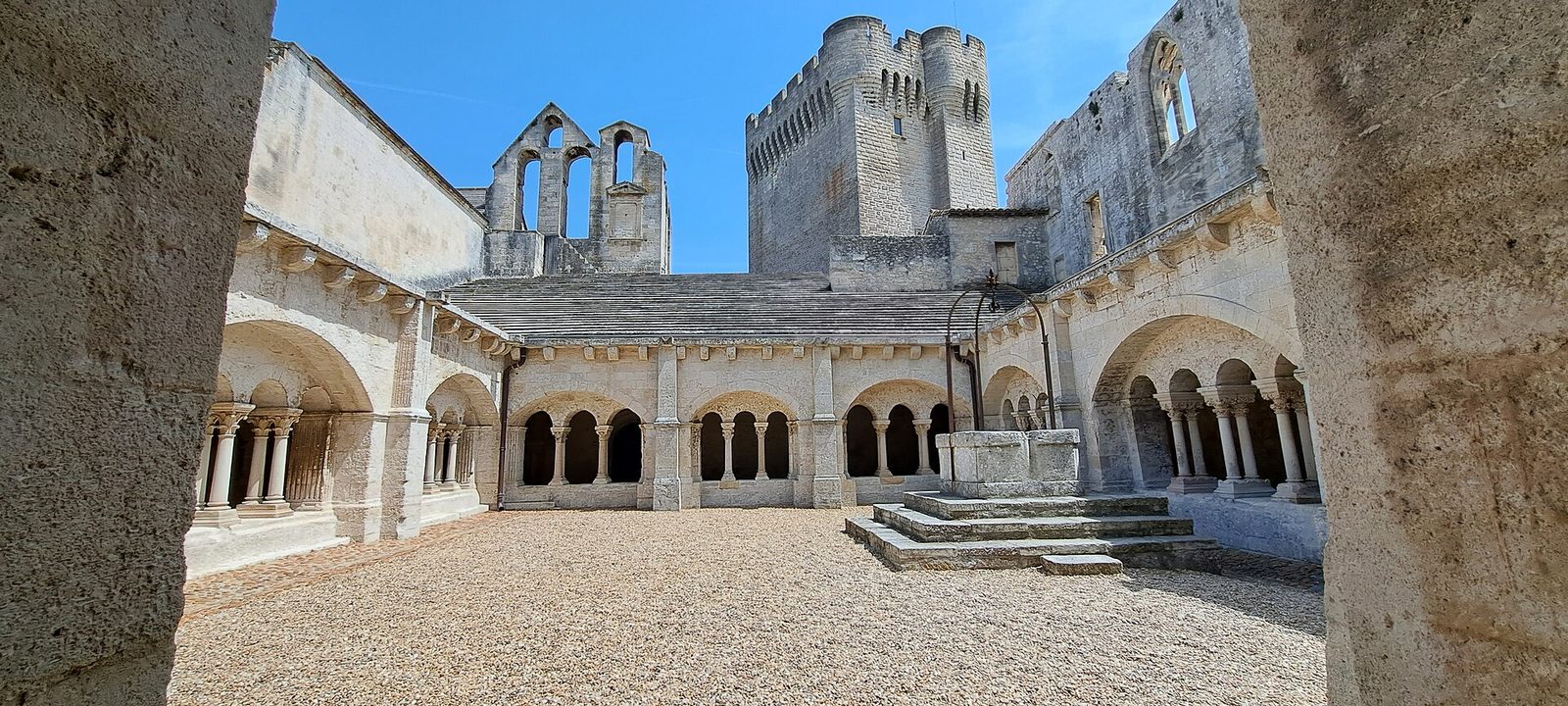
Built from 948 on a rocky islet that then rose above the Camargue marshes, the abbey of Saint-Pierre de Montmajour is one of the largest Romanesque monastic complexes in Provence.
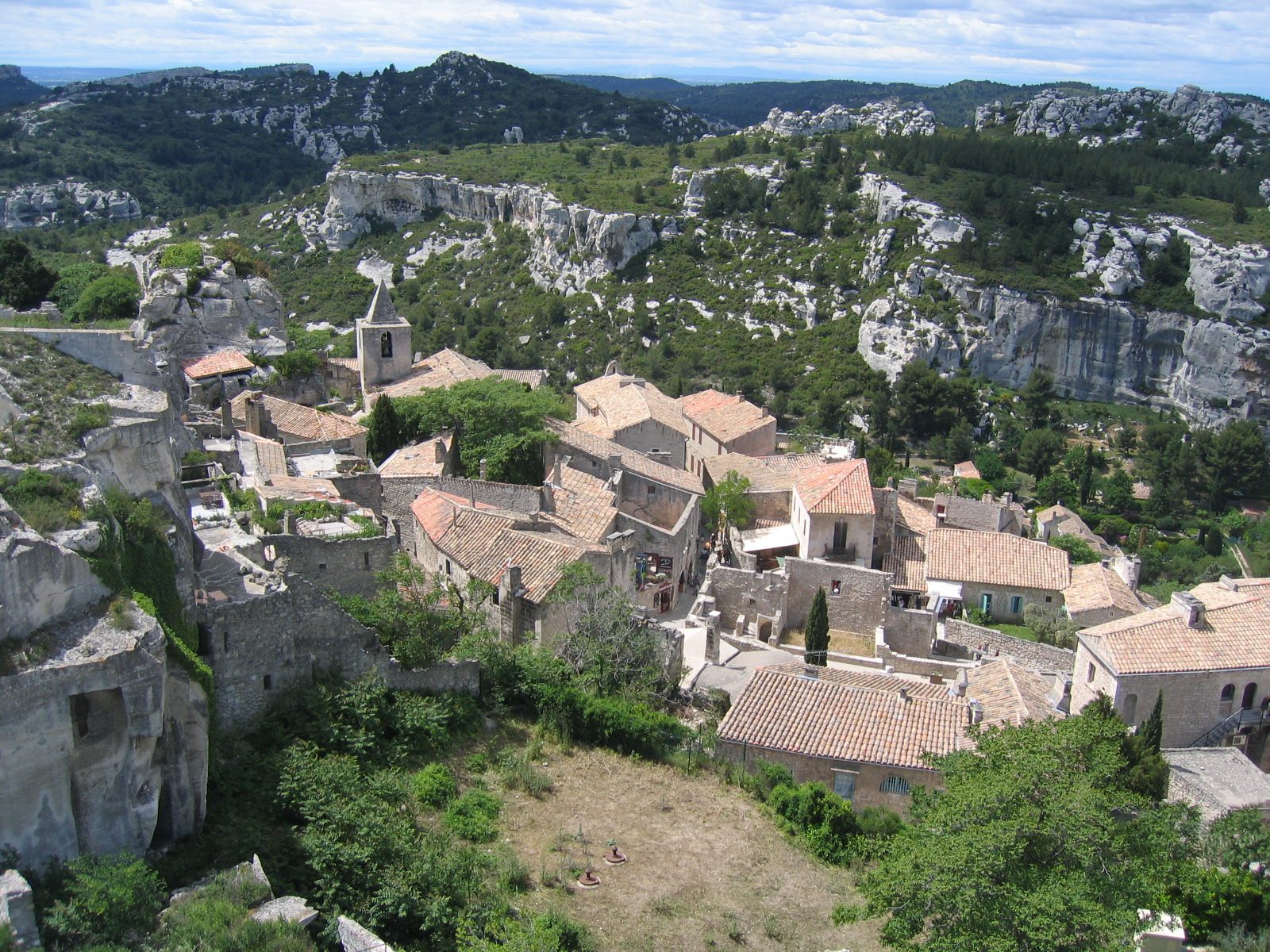
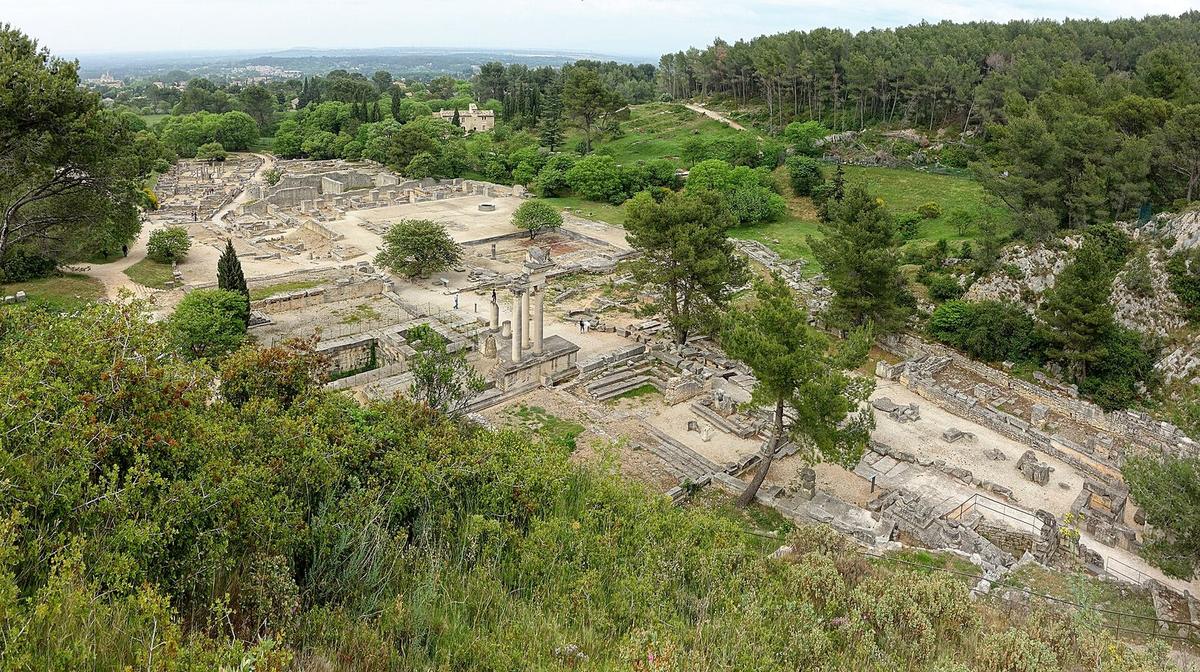
View full page →The Alpilles: Les Baux-de-Provence and its hilltop village, the Carrières de Lumières, then the ancient site of Glanum in Saint-Rémy-de-Provence.
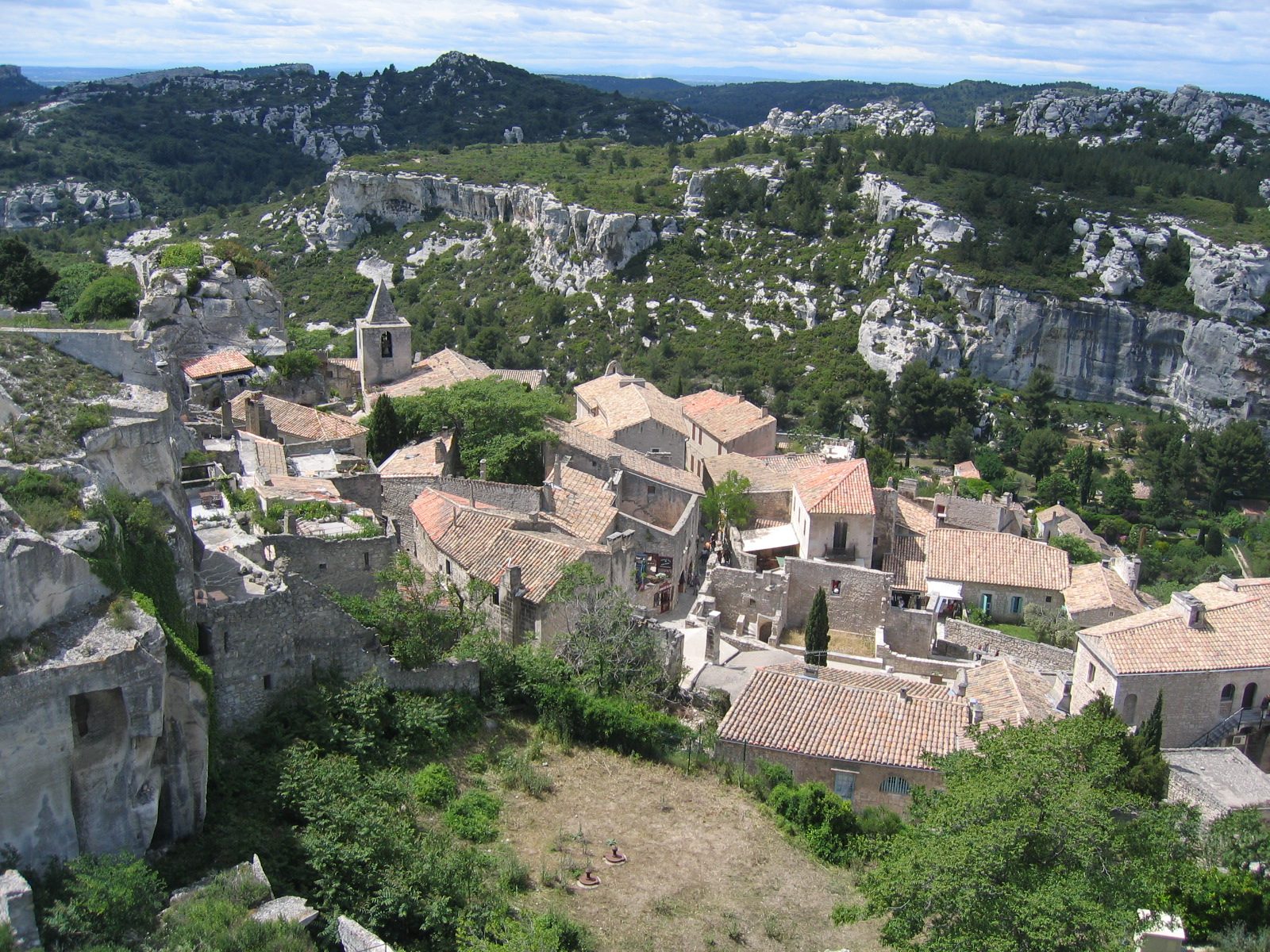
Between a dizzying precipice and the impressive ruins of its long-impregnable fortress, the most visited village in France sits on a rocky spur of the Alpilles, between the Vallon de la Fontaine and the Val d'Enfer.
View full page →
In the heart of the Alpilles, the monumental Carrières de Lumières host multimedia shows unique in the world. Each year a major new show is offered presenting the greatest names in art history.
View full page →
The site of Glanum was inhabited by local peoples from the 6th century BC. Around the 2nd century BC, the town became Hellenised through contact with Greek merchants from Marseille.
View full page →Spring and autumn are ideal: migrating birds are plentiful in the Camargue and the heat remains bearable. Summer is very hot, with many mosquitoes in the Camargue. In May, the Saintes-Maries pilgrimage draws huge crowds.
A car is essential to link the Camargue, Arles and the Alpilles. In the Camargue the roads are straight but slow; you can also ride the sea dyke by bike. Arles is served by train.