Towns & cities · Dijon
1 Dijon
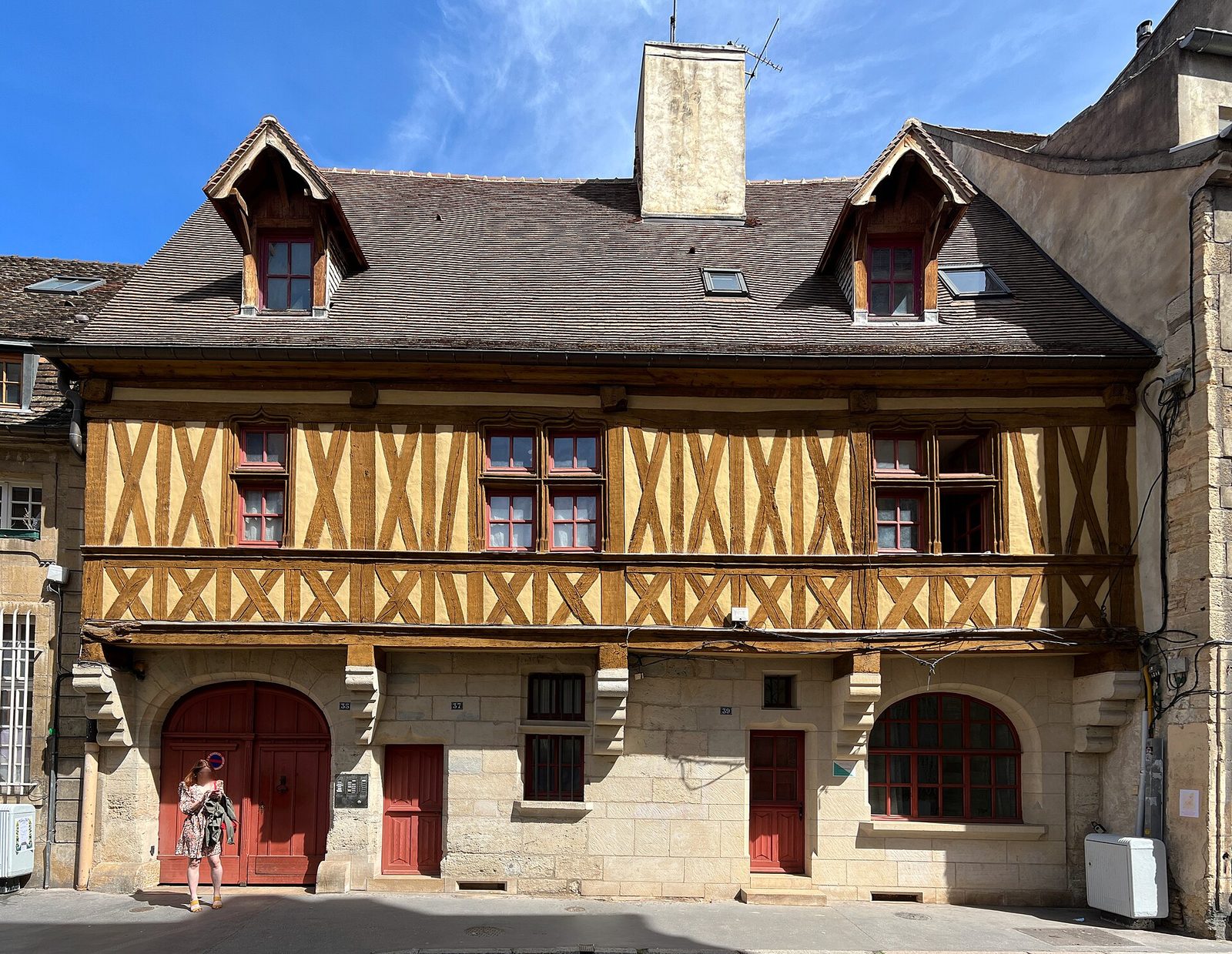
Former capital of the Dukes of Burgundy, a town of art with half-timbered houses and mansions, renowned for its mustard and gingerbread.
View full page →From Dijon, city of the dukes, to Beaune, capital of wine, the Route des Grands Crus runs through villages with famous names and UNESCO-listed vineyard plots. A gourmet and heritage break.
The map shows the numbered stops in visiting order, with one colour per day. The line follows the roads where available; otherwise it joins the stops as the crow flies. Distances and times are approximate (by car, without traffic).
Dijon: the historic centre and the Fine Arts Museum, housed in the palace of the dukes, then the Route des Grands Crus towards Nuits-Saint-Georges and the Cassissium.
Former capital of the Dukes of Burgundy, a town of art with half-timbered houses and mansions, renowned for its mustard and gingerbread.
View full page →
In the heart of Burgundy, the Dijon Fine Arts Museum is one of the oldest in France, with origins going back to the Ancien Régime.
View full page →
A 'Site remarquable du goût'. Over more than 1,000 m², discover all the secrets of blackcurrant: its history, cultivation, processing and many uses in Burgundy and around the world.
View full page →Beaune, its Hospices and wine cellars, then the Cirque du Bout du Monde, a blind valley with a waterfall a few kilometres from the vineyards.
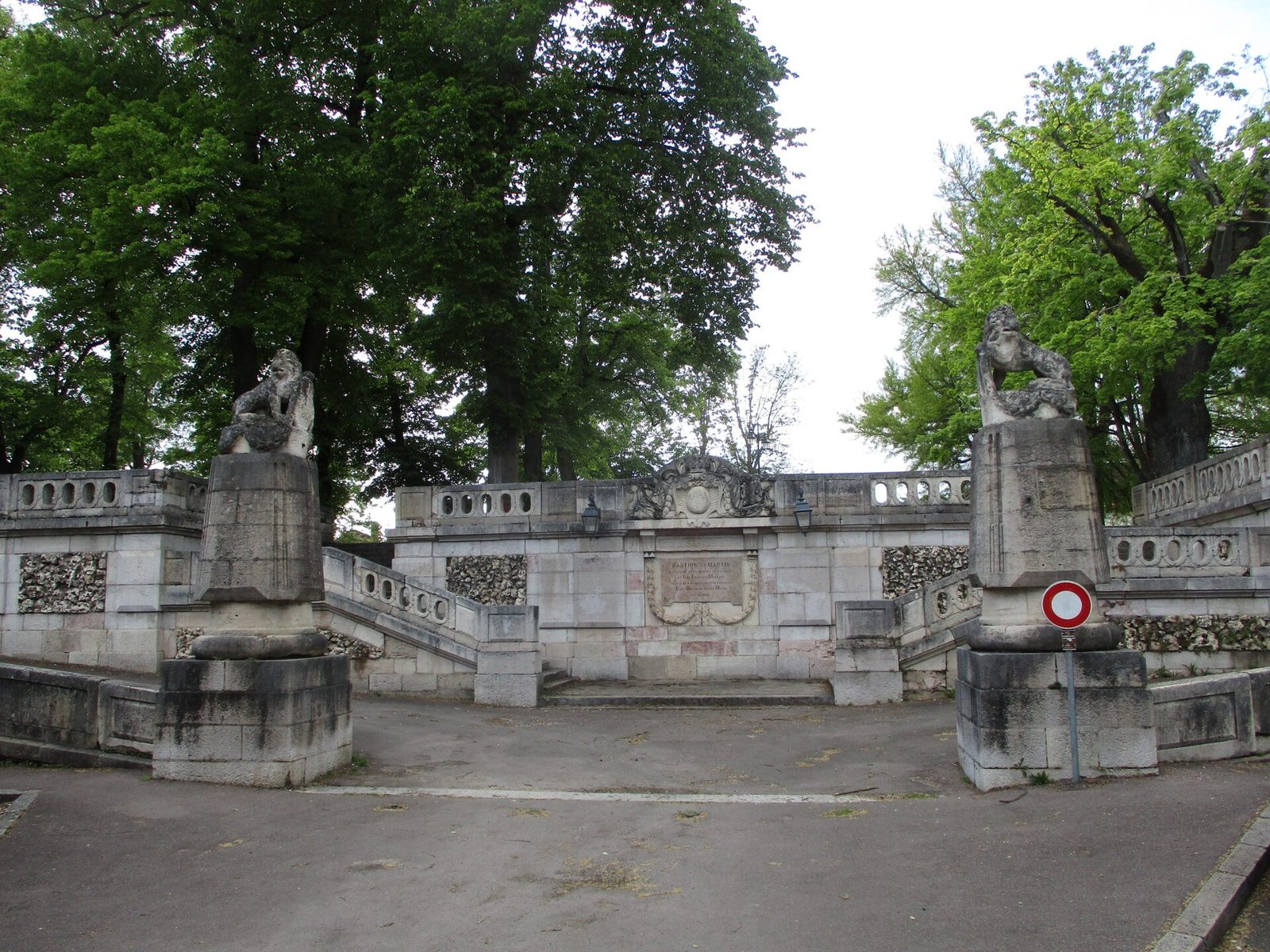
Historic capital of Burgundy wines, a fortified town whose ramparts and bastions still ring an old centre renowned for its wine-merchant houses.
View full page →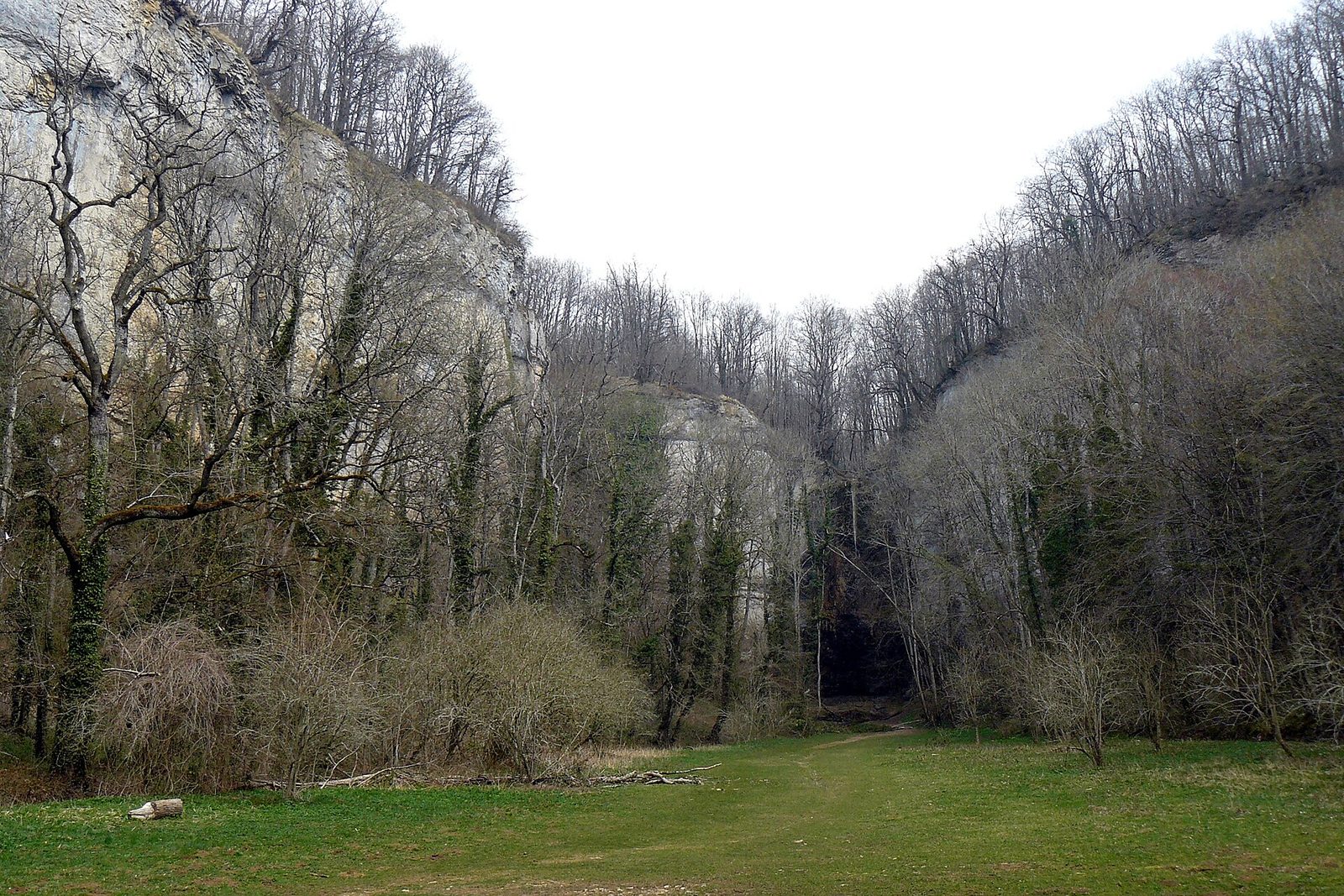
To reach the End of the World, you must follow the Cozanne river upstream from the town of Nolay and first pass under a railway viaduct.
View full page →From May to October, with the grape harvest in September and the Hospices de Beaune wine auction in November. Spring is mild and in bloom.
Dijon and Beaune are linked by train in about 25 minutes. For the wine route and the villages, a car or a bike, along the Voie des Vignes, is more practical.