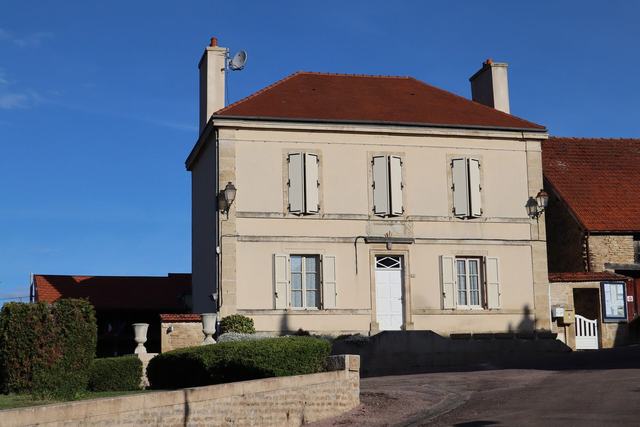
Côte-d'Or: what to see and do
34 sites listed in the département. The historic heart of Burgundy, the Côte-d'Or lines up the grands crus of its wine route between Dijon, city of the dukes, and Beaune, capital of wine. UNESCO-listed climats and wine villages make up this gastronomic département par excellence.
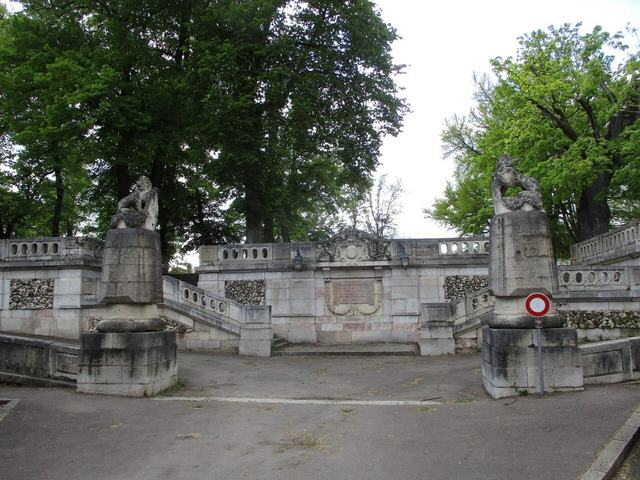
Beaune
Historic capital of Burgundy wines, a fortified town whose ramparts and bastions still ring an old centre renowned for its wine-merchant houses.

Dijon
Former capital of the Dukes of Burgundy, a town of art with half-timbered houses and mansions, renowned for its mustard and gingerbread.
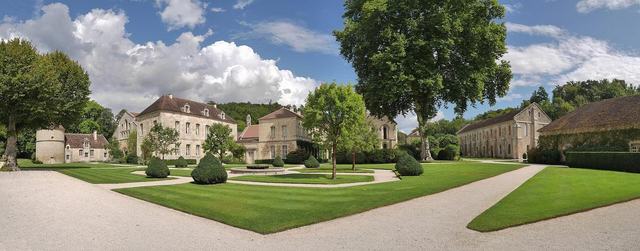
L'abbaye de Fontenay
Fontenay Abbey is a Cistercian abbey founded in 1118 in the French commune of Marmagne, in the Côte-d'Or département and the Burgundy region.
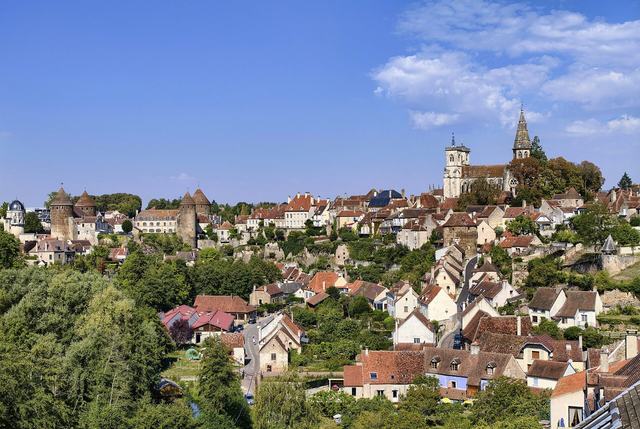
Semur-en-Auxois
Fortified town built on a pink granite promontory overlooking the meanders of the Armançon, with its four medieval towers and Gothic collegiate church.

Abbaye de Cîteaux

Château d'Arcelot
The château d'Arcelot was built in the early and mid-eighteenth century by the province's chief architect, Thomas Dumorey.
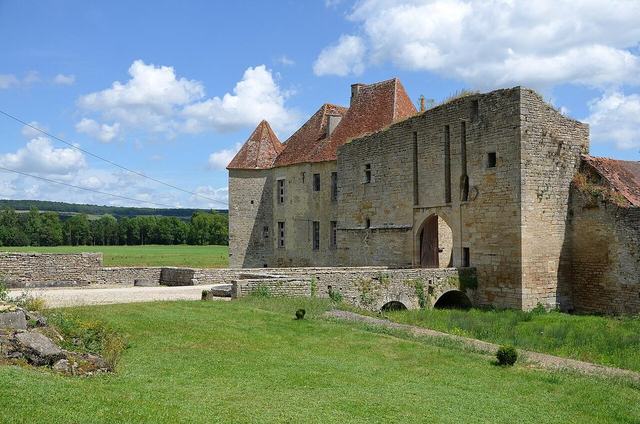
Château d'Eguilly
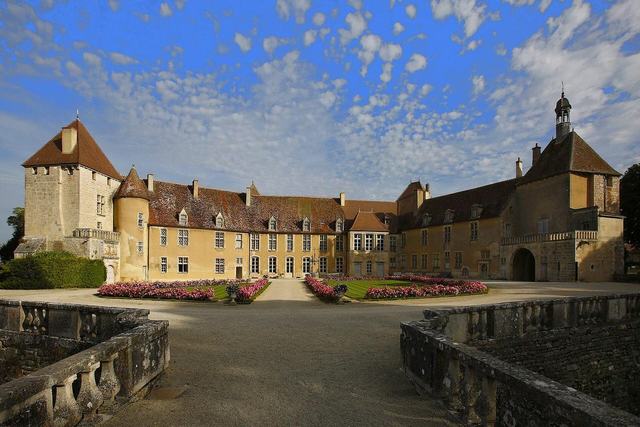
Château d'Epoisses
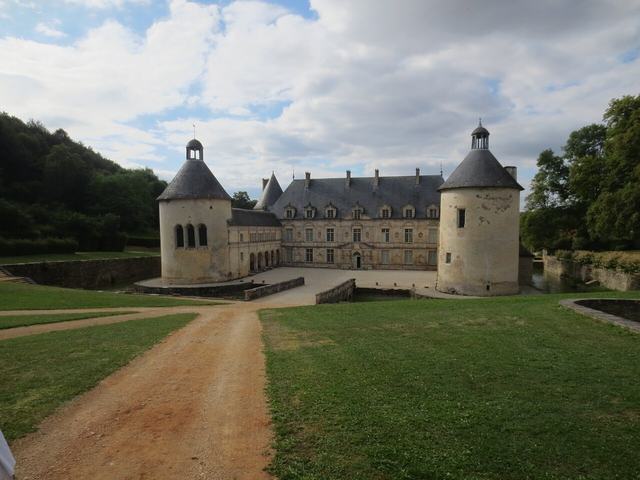
Château de Bussy-Rabutin
Set in the Morvan, in a wooded valley and surrounded by a French-style garden, the decoration of the château de Bussy-Rabutin was created by Rabutin, count of Bussy, during his exile from the court of the Sun King to Burgundy.
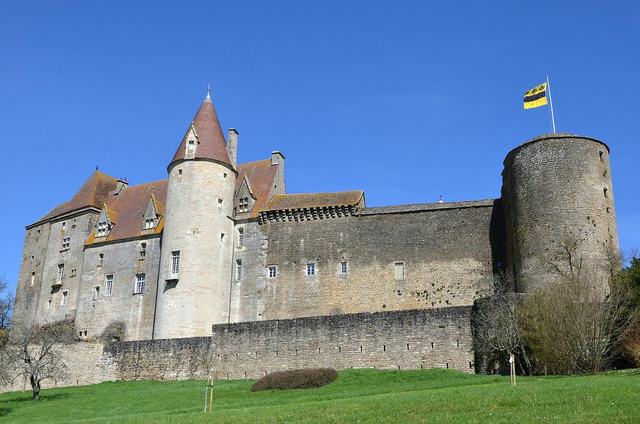
Château de Châteauneuf
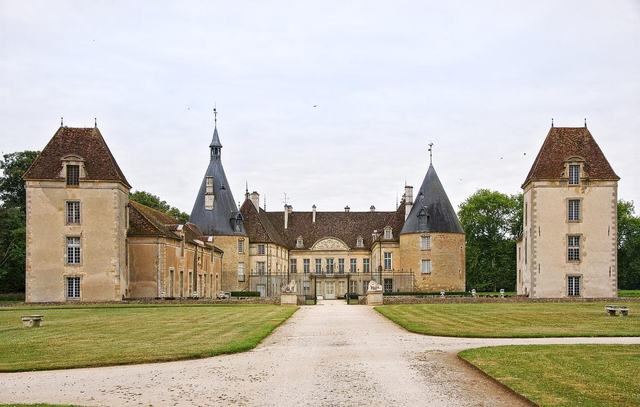
Château de Commarin
The château de Commarin, in central Burgundy, 40 km west of Dijon, is part of the Historic Route of the Dukes of Burgundy.
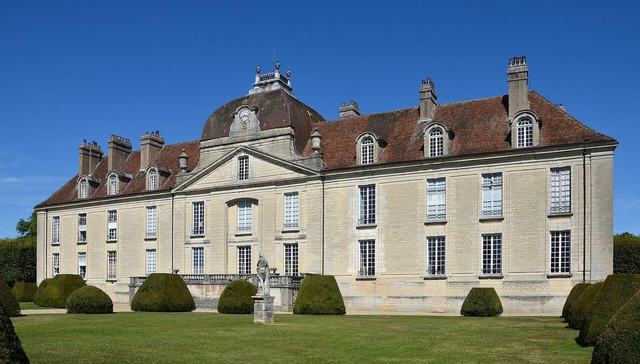
Château de Fontaine-Française
Dating from the tenth or eleventh century, the château de Fontaine-Française was when built a 100-foot-high keep with drawbridge, 4 curtain walls flanked at the corners by 4 large towers.

Château de Gevrey-Chambertin

Château de Longecourt-en-Plaine
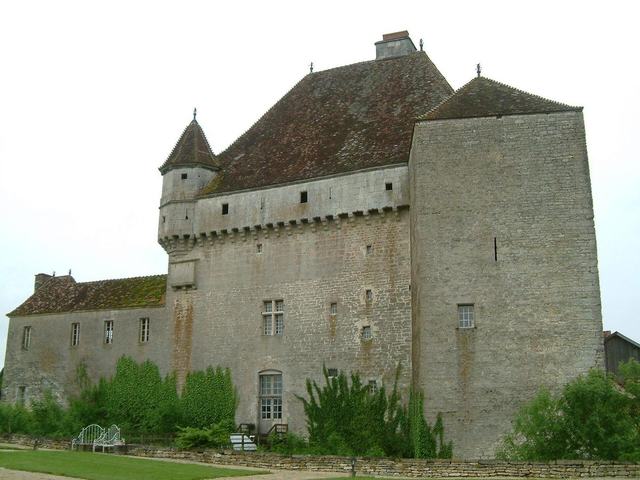
Château de Rosières
An authentic fourteenth- and fifteenth-century fortress, crowned with a belt of machicolations forming a wall-walk at the top of the building.
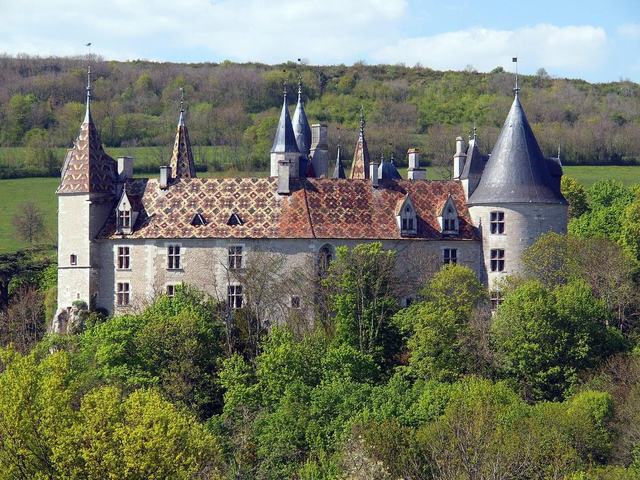
Château de la Rochepot

Château du Clos de Vougeot
The château du Clos de Vougeot, an essential stop on any stay in Burgundy, awaits you for a fascinating visit that lets you discover a superb twelfth-century cellar designed to hold 2,000 bottles, a magnificent twelfth- and thirteenth-century vat room that houses…
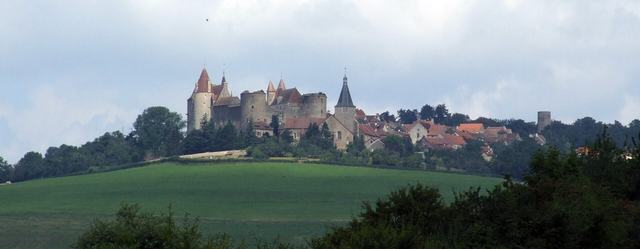
Châteauneuf
Intended to command the old road from Dijon to Autun, the fortress was built in the late twelfth century by Jean de Chaudenay.
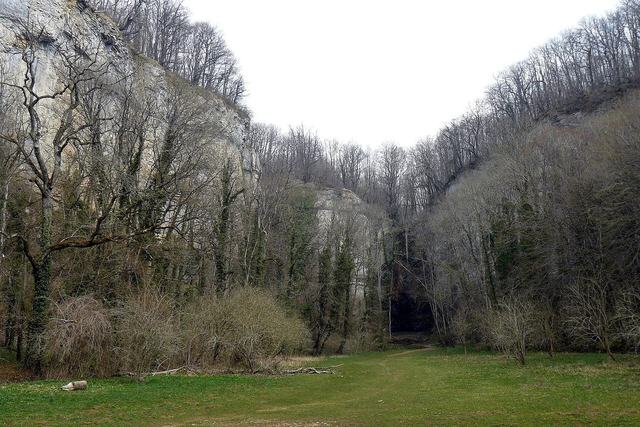
Cirque et Cascade du bout du Monde
To reach the End of the World, you must follow the Cozanne river upstream from the town of Nolay and first pass under a railway viaduct.
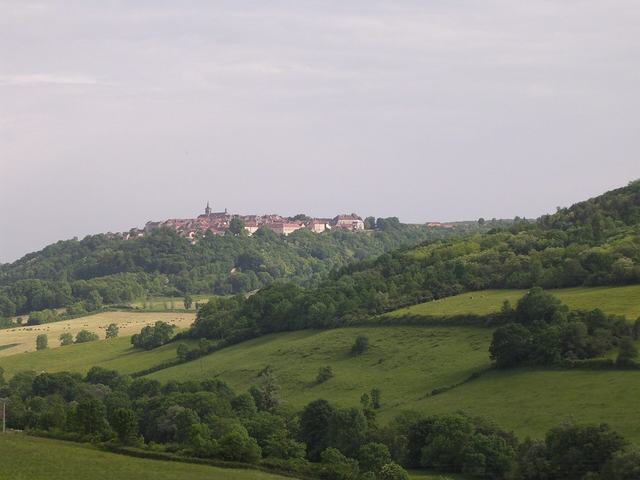
Flavigny-sur-Ozerain
The silhouette of this perched village is punctuated by the imposing volumes of its religious buildings.
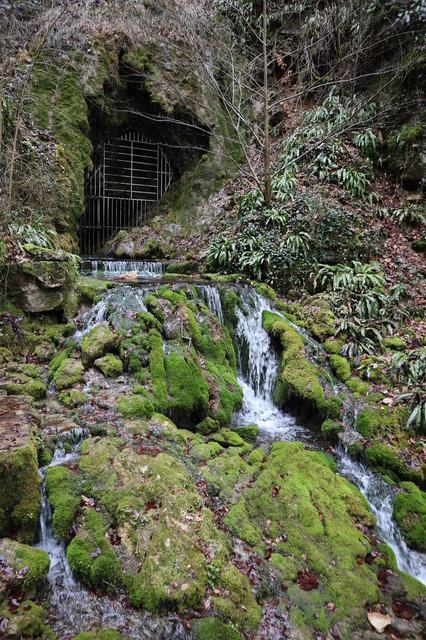
Grotte du Bel Affreux
Going up the Antheuil river, in the Côte-d'Or, leads to the "Bel Affreux" cave, whose open-jaw-shaped entrance is said to have earned it, from the sixteenth to the eighteenth century, a reputation as a diabolical lair.
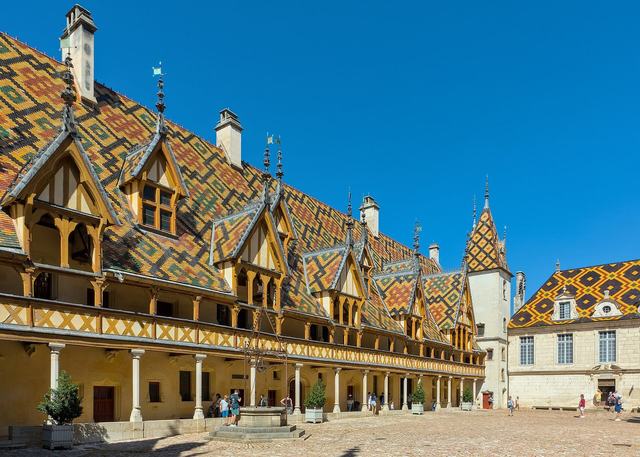
Hospices de Beaune
The Hospices de Beaune, or Hôtel-Dieu de Beaune, is a fifteenth-century hospital in Beaune in Burgundy, which was active until the 1960s.

Le Cassissium
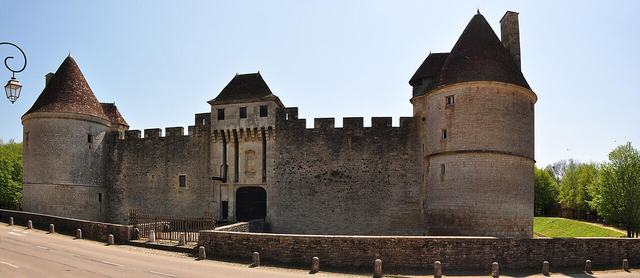
Le Château de Posanges

Musée de la Vie Bourguignonne Perrin de Puycousin

Musée des beaux-arts de Dijon
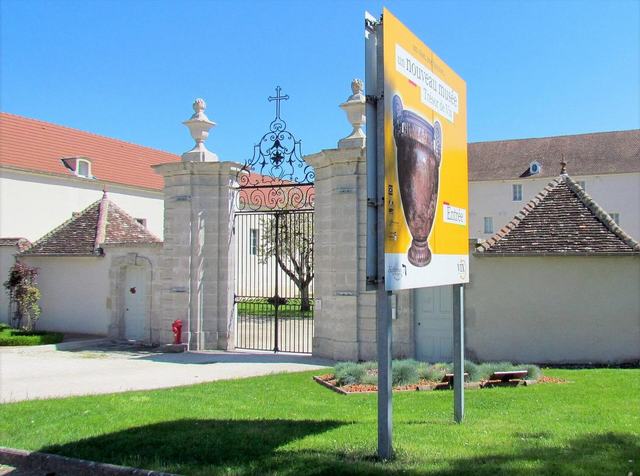
Musée du Pays Châtillonnais
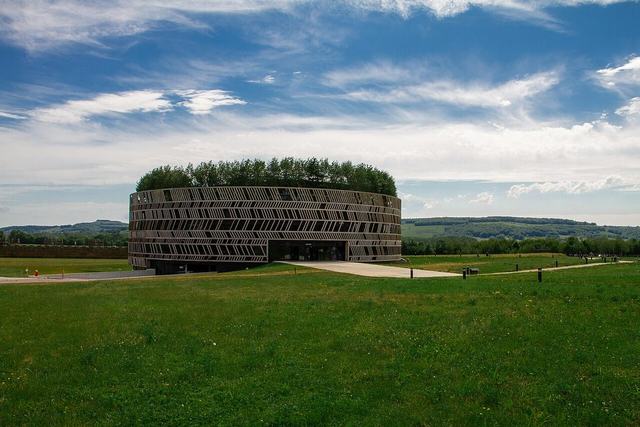
MuséoParc Alésia

Palais des ducs de Bourgogne
The palace of the Valois dukes is in the heart of the town. The ducal residence was rebuilt from 1365 by the dukes of the Valois dynasty.

Parc de l'Auxois

Rivière souterraine de la Bèze
The Bèze caves and the illuminated underground lake are the village's main attraction. The initial part of the Crétane cave has been known since the Middle Ages. Boat visit of the underground river.
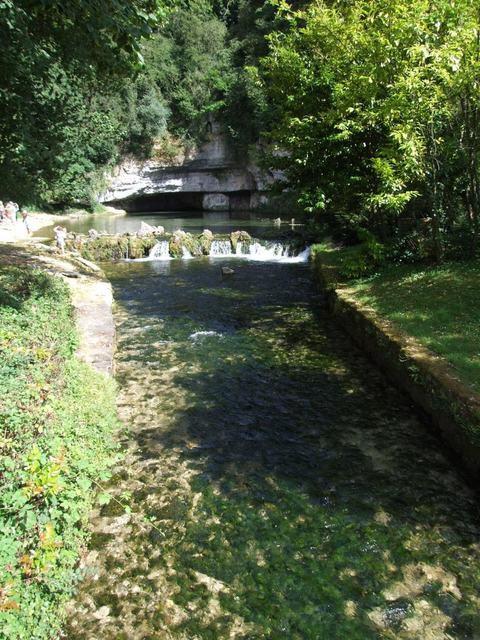
Résurgence de la douix
La Douix is the name given to an important spring, in the form of a Vaucluse-type resurgence at the gates of the small town of Châtillon-sur-Seine in the north of the Côte-d'Or.
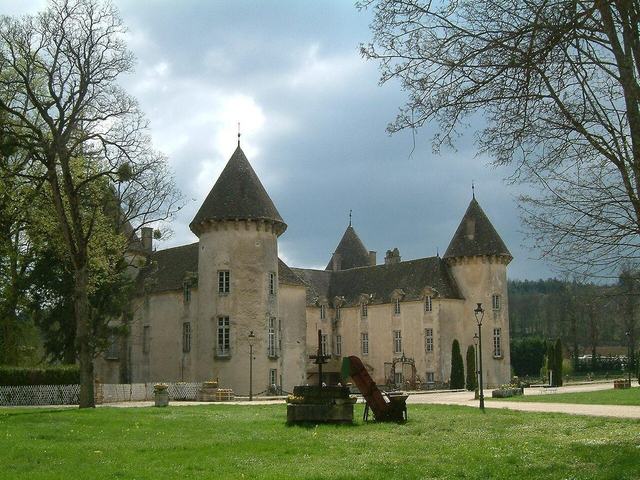
Savigny-lès-Beaune
It is in Burgundy, in the heart of the Côte de Beaune, that the prestigious Château de Savigny-lès-Beaune overlooks a magnificent 12-hectare property, crossed by a river that originally fed the moats of this former fortress.