Discovering Pas-de-Calais: a practical guide
Facing England, Pas-de-Calais brings together the spectacular cliffs of the Opal Coast, art towns with Flemish squares, a rich mining heritage and many remembrance sites of both world wars. An endearing, often overlooked département.
This practical guide helps you choose your stops and organise your trip. Underlined site names link to their detailed pages.
Understanding Pas-de-Calais in a few minutes
The Opal Coast stretches from Calais to the Bay of Authie, with its capes and long beaches, around Boulogne-sur-Mer. Inland, the Audomarois, around Saint-Omer, offers marshes and forests. To the south-east, Artois and Arras have a rich Flemish heritage. To the east, the mining basin around Lens is a UNESCO World Heritage site.
The département is well connected: motorways, TGV stations in Arras, Calais and Boulogne, and the Channel Tunnel. For a trip of a few days, one base on the coast and another in Arras are enough.
- Arras is less than an hour from Paris by TGV.
- The wind often blows hard on the coast: bring a windbreaker.
- Distances between the coast and the interior are short.

Boulogne-sur-Mer
France's leading fishing port, whose fortified Upper Town overlooks the Channel from its headland, close to the giant Nausicaá aquarium.

Arras
Prefecture of the Pas-de-Calais whose two Flemish Baroque squares, lined with arcades on pillars, are among the finest urban ensembles of the North.
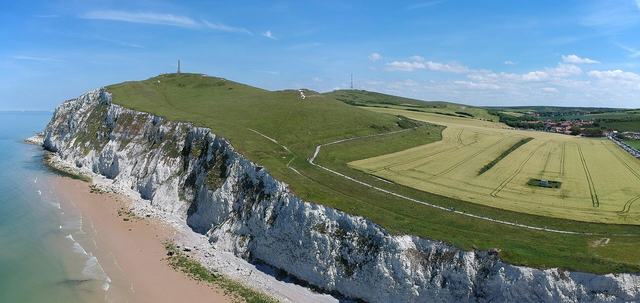
Le Cap Blanc-Nez
Mineralogy enthusiasts all know the famous Cap Blanc-Nez site (Boulogne-sur-Mer area, northern France): the chalk cliffs yield a great abundance of marcasite, crystallised in cockscomb form.

Musée du Louvre-Lens
Inaugurated in December 2012, the Louvre-Lens is set on a former pithead, in the heart of the Nord-Pas-de-Calais Mining Basin, inscribed as UNESCO World Heritage.
Culture, history and heritage
Arras is famous for its two Baroque Flemish squares and its belfry, a World Heritage site. Beneath the town, the Wellington Quarry tells the story of the First World War. The Citadelle d'Arras, designed by Vauban, completes the visit. Boulogne-sur-Mer has kept its fortified upper town and its castle museum.
In Lens, the Louvre-Lens shows masterpieces in a contemporary building. In Calais, the International Lace and Fashion Centre recalls the town's industrial history. Second World War sites are numerous: La Coupole, the Blockhaus d'Éperlecques and the Batterie Todt. The cathedral of Saint-Omer is also worth the detour.
- Don't miss the Gallery of Time at the Louvre-Lens.
- At the Wellington Quarry, visits are guided: book in season.
- Allow half a day for La Coupole.
Musée du Louvre-Lens
Inaugurated in December 2012, the Louvre-Lens is set on a former pithead, in the heart of the Nord-Pas-de-Calais Mining Basin, inscribed as UNESCO World Heritage.

Carrière Wellington
The Wellington Quarry is a First World War remembrance site in Arras, in the Pas-de-Calais.
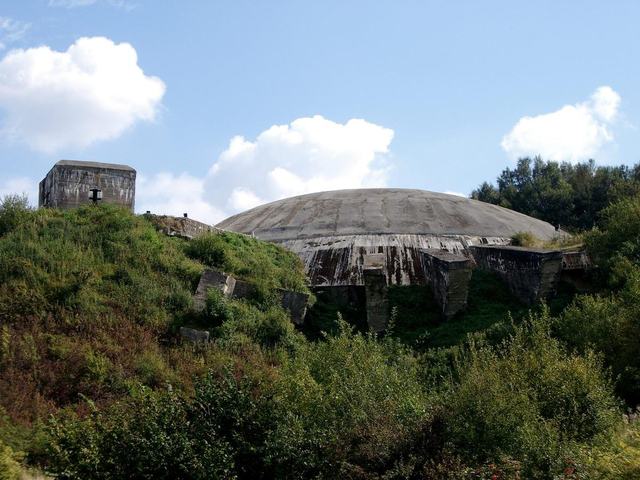
Coupole d'Helfaut
An immense dome-shaped bunker, the Coupole d'Helfaut-Wizernes was one of the last great military projects of Nazi Germany in France.

Château-musée de Boulogne-sur-Mer
In the heart of the fortified old town, the castle museum of Boulogne-sur-Mer is one of the finest medieval fortresses in the Nord-Pas-de-Calais.
Food and local produce
Boulogne-sur-Mer is France's leading fishing port: herring, mackerel and fresh fish are at the heart of local cooking. Moules-frites, leek flamiche, carbonade flamande and nearby Maroilles cheese are among the dishes of the North.
The Saint-Omer marshes are known for their vegetables, especially cauliflower. Craft beers from local breweries are a natural match for meals.
- Try fresh fish on the harbour in Boulogne.
- The Saturday market in Arras is very lively.
- Estaminets (traditional taverns) serve classic Flemish food.
Boulogne-sur-Mer
France's leading fishing port, whose fortified Upper Town overlooks the Channel from its headland, close to the giant Nausicaá aquarium.
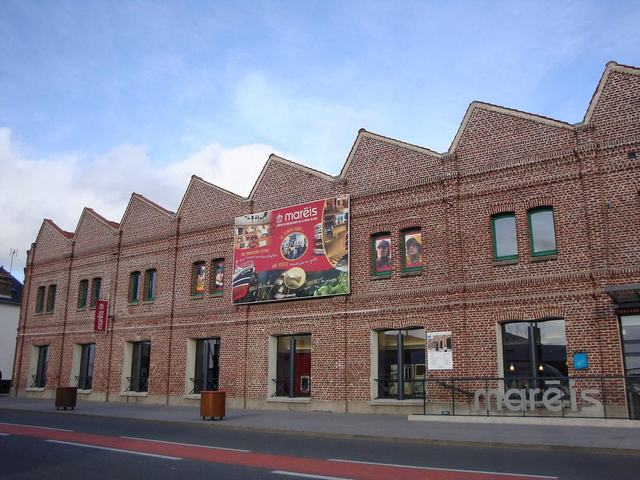
Maréis, Centre de découverte de la Pêche et de la mer
The Maréis sea fishing discovery centre (in the Corderie building) welcomes you to discover the world of fishing and the sea.
Arras
Prefecture of the Pas-de-Calais whose two Flemish Baroque squares, lined with arcades on pillars, are among the finest urban ensembles of the North.
Nature and wide open spaces
Cap Blanc-Nez and Cap Gris-Nez form the Grand Site des Deux-Caps, with a view of the English coast in clear weather. Further south, the Slack dunes and the Merlimont dunes offer fine dune landscapes, and the Cap Blanc-Nez beach is best at low tide.
In the Audomarois, the Romelaere nature reserve presents the marshes, which can be explored by boat with Isnor. The Aa valley tourist railway offers a ride on a 1950s train. With children, Nausicaá in Boulogne is one of the largest aquariums in Europe, and Parc Bagatelle and Dennlys Parc are popular outings.
- Keep away from the cliff edges, which crumble.
- The coastal path (GR120) links the two capes.
- Nausicaá is very busy on rainy days and during school holidays.

Le Cap Gris-Nez
At Gris-Nez, you will grasp the full meaning of the word passage. Whether in the endless coming and going of boats, the flight of birds or the meeting of water, wind and this greying cliff.

Nausicaa Cap au Sud
Nausicaá, in Boulogne-sur-Mer, along the beach, is much more than an aquarium: it is the largest European site devoted to discovering and raising awareness of the protection of the marine world.
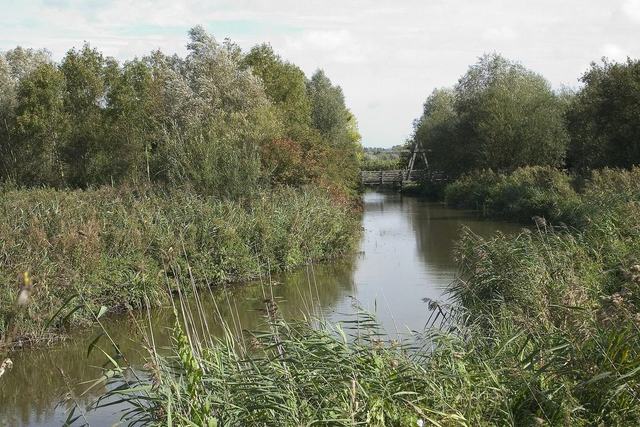
Réserve naturelle du Romelaere
The mysterious world of the marsh and forest is presented to you in audiovisual shows. It is the starting point for discovering the Romelaëre Nature Reserve in the heart of the Audomarois Marsh.

Dunes de Slack
This exceptional ecological ensemble, a witness to the geomorphological history and the physical and biological diversity of the Boulonnais coast, has no equivalent on the scale of the European coastline.
When to go and how to plan
Spring and summer are the most pleasant on the coast, with long days. Autumn is mild and quiet. The climate is oceanic: rain and wind can arrive quickly.
A four-day trip can combine two days on the Opal Coast (Boulogne, Nausicaá, the Deux-Caps), a day in the Audomarois and La Coupole, and a day between Arras and the Louvre-Lens.
- Book accommodation on the coast in summer.
- On clear blue days, climb Cap Blanc-Nez to see England.
- Check opening times of remembrance sites out of season.
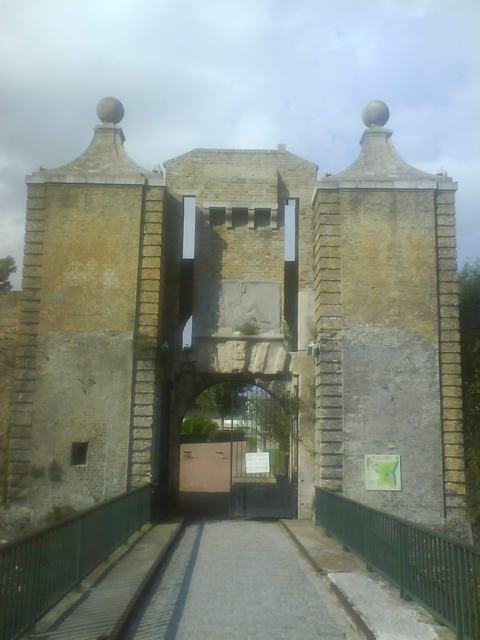
Citadelle de Calais
Built from 1560 on the foundations of a medieval castle raised in 1229 by Philippe Hurepel, Count of Boulogne, the Calais citadel was later strengthened by Errard, Henry IV's engineer, and then by the engineers of Louis XIII and Louis XIV.

Château d'Hardelot
Romantic sentinels, the medieval towers of the Château d'Hardelot (or Ardrelo), overlooking the Miroirs and Claire Eau lakes and the surrounding landscape, are remains of the old fortress.

Fort d'Ambleteuse
Vauban designed the Fort Vauban at Ambleteuse... It is the only remnant of the great works undertaken to re-establish a military port facing England...
Going further
Explore the départements of this area: