Discovering Seine-et-Marne: a practical guide
Seine-et-Marne is the largest département in Île-de-France. It brings together some of the finest châteaux in France, a medieval town on the World Heritage list, a huge forest with astonishing rocks and the Disney parks. Plenty for a varied trip, an hour from Paris.
This practical guide helps you choose your stops and organise your trip. Underlined site names link to their detailed pages.
Understanding Seine-et-Marne in a few minutes
In the south, Fontainebleau and its forest form the tourist heart of the département, with Barbizon and Moret-sur-Loing close by. In the centre, Melun and the Château de Vaux-le-Vicomte. To the east, Provins and the farming Brie. To the north, Meaux and the Marne valley. To the west, Marne-la-Vallée is home to the Disney parks.
Fontainebleau, Melun, Provins and Meaux are linked to Paris by train. For the forest, the country châteaux and the Brie, a car remains the best option.
- Trains from Paris-Gare de Lyon reach Fontainebleau in about 40 minutes.
- RER A goes straight to the Disney parks.
- Provins can be reached by train from Paris-Est.
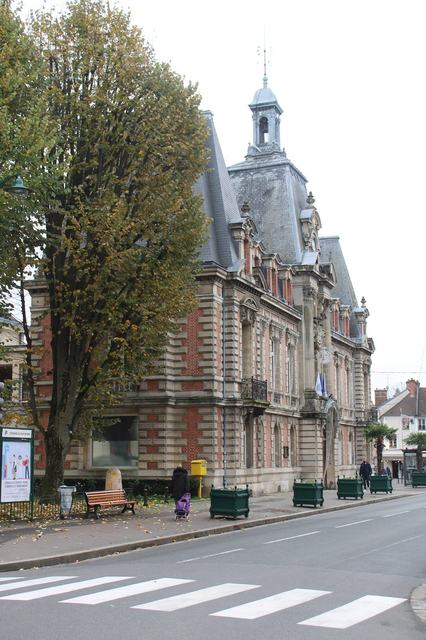
Fontainebleau
An elegant town in the heart of its forest, known for its royal château and its climbing rocks.
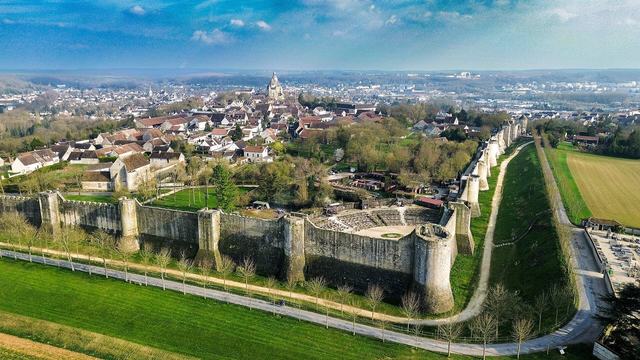
Provins
In Seine-et-Marne, about 80 km south-east of Paris, the fortified medieval town of Provins offers an exceptional architectural heritage.
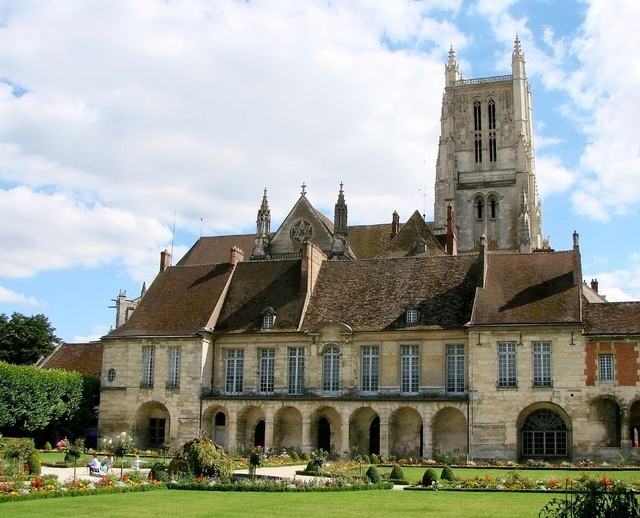
Meaux
The former capital of the Brie, dominated by its Gothic cathedral and former bishop's palace.

Disneyland-Paris
Opened in 1992 in Marne-la-Vallée, in Seine-et-Marne, Disneyland Paris covers about 2,230 hectares, making it the largest leisure complex in Europe.
Culture, history and heritage
The Palace of Fontainebleau, a World Heritage site, was the residence of French rulers for eight centuries. The Château de Vaux-le-Vicomte, built for Nicolas Fouquet, inspired Versailles; its candlelit evenings are famous. Provins, a UNESCO-listed medieval town, is discovered through its ramparts and the Tour César.
Other châteaux are worth the detour: the Château de Blandy-les-Tours, a medieval fortress, the Château de Champs-sur-Marne, the Château de Ferrières and its English-style park, and the Château de Nemours. In Meaux, the Great War museum is one of the richest in Europe on the First World War. The National Gendarmerie Museum in Melun is an unusual visit.
- At Fontainebleau, allow at least half a day for the palace.
- Vaux-le-Vicomte's candlelit evenings take place in summer: book.
- In Provins, medieval shows run from April to November.

Palais de Fontainebleau
Used by the kings of France since the twelfth century, the hunting lodge of Fontainebleau, in the heart of a great Île-de-France forest, was transformed, enlarged and embellished in the sixteenth century by Francis I, who wanted to make it a "new Rome".
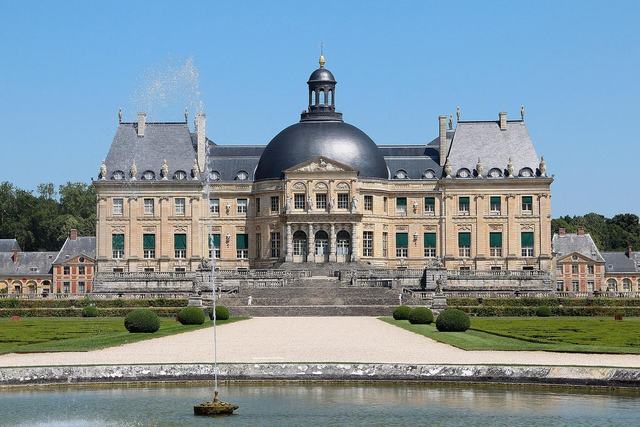
Château de Vaux-le-Vicomte
This castle, one of the most beautiful in Île-de-France, was built between 1656 and 1661 by Louis Le Vau for Nicolas Fouquet, then Mazarin's superintendent of finances.
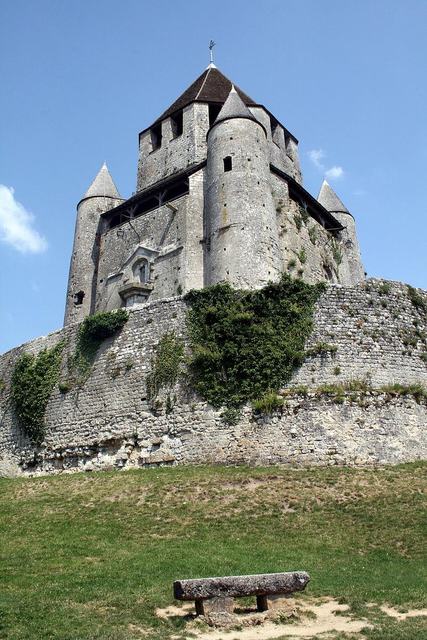
Tour César (Provins)
A tower on this site is recorded in a charter of 1137. It was rebuilt under Henry the Liberal (1152–1181).
Musée de la Grande Guerre du pays de Meaux
Creating such a museum in the conurbation lets the CAPM preserve and enhance a unique heritage, a testimony to the Great War.
Food and local produce
Seine-et-Marne is the land of brie, from Meaux and from Melun, two PDO cheeses. Meaux mustard, the Provins rose, made into jams and sweets, and Gâtinais honey are also local specialities.
The markets of Fontainebleau and Meaux, as well as the farms of the Brie, let you taste these products. The Provins rose garden presents hundreds of rose varieties.
- Taste both bries to compare.
- The Provins rose garden is in bloom in June.
- Brie farms often sell direct.
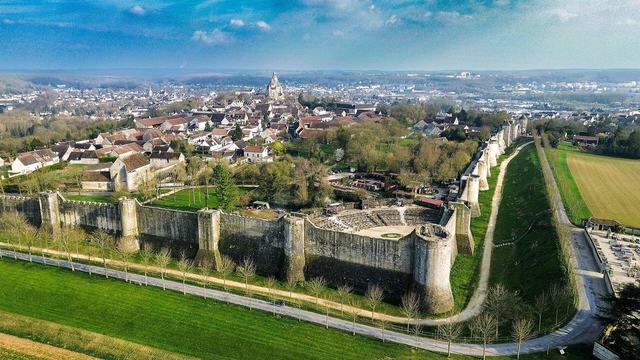
Roseraie de Provins
The Provins Rose Garden was awarded the "Remarkable Garden" label in 2014.
Meaux
The former capital of the Brie, dominated by its Gothic cathedral and former bishop's palace.
Provins
In Seine-et-Marne, about 80 km south-east of Paris, the fortified medieval town of Provins offers an exceptional architectural heritage.
Nature and wide open spaces
The forest of Fontainebleau is famous for its sandstone rocks, a paradise for bouldering: the Gorges de Franchard, the Trois Pignons massif, the Chaos de la Dame Jouanne at Larchant and the Apremont Elephant, a rock shaped like a pachyderm. Paths are numerous and well marked.
With children, Disneyland Paris and Disney Adventure World draw millions of visitors. The Parc des Félins, the Parc Zoologique du Bois d'Attilly and the Sea Life aquarium are other popular outings. The Haut-Morin rail bikes offer an unusual ride on old railway lines.
- In the Fontainebleau forest, circuits are colour-coded.
- For Disneyland Paris, buy tickets in advance and arrive at opening time.
- The Parc des Félins needs at least half a day.

L'Eléphant d'Apremont
Regarded as the "Green Lung" of Île-de-France, the Fontainebleau forest offers varied landscapes and exceptional sites: the chaos and desert of Apremont, famous for its piles of rocks; the heights of La Solle, for the panorama below over the racecourse and...

Gorges de Franchard
The Gorges de Franchard, west of Arbonne-la-Forêt in the Fontainebleau forest, form a vast chaos of sandstone blocks cut by sandy paths, shaped by the differential erosion of sandstone over geological eras.
Parc des Félins
The Parc des Félins is a zoological park in the commune of Lumigny-Nesles-Ormeaux in Seine-et-Marne.
Disneyland-Paris
Opened in 1992 in Marne-la-Vallée, in Seine-et-Marne, Disneyland Paris covers about 2,230 hectares, making it the largest leisure complex in Europe.
When to go and how to plan
Spring and autumn are perfect for the forest and the châteaux. Summer lets you enjoy the candlelit evenings and the Provins shows. The Disney parks are very busy during school holidays.
A four-day trip can combine a day in Fontainebleau and its forest, a day at Vaux-le-Vicomte and Blandy, a day in Provins, and a day in Meaux or at the Disney parks.
- Book Vaux-le-Vicomte and the Provins shows in season.
- Avoid the Disney parks on holiday weekends.
- In the forest, take water and a map.
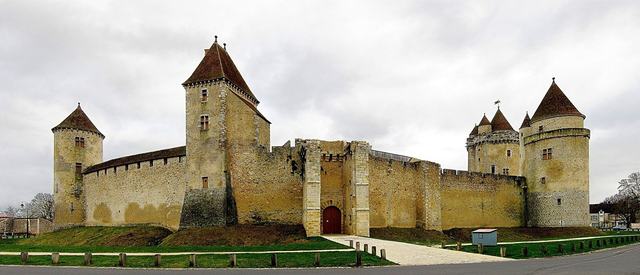
Château de Blandy-les-Tours
Originally the fief of Aurelian, a companion of Clovis, the château of Blandy-les-Tours was rebuilt in the sixteenth century by François II d'Orléans, who made it a pleasure residence.
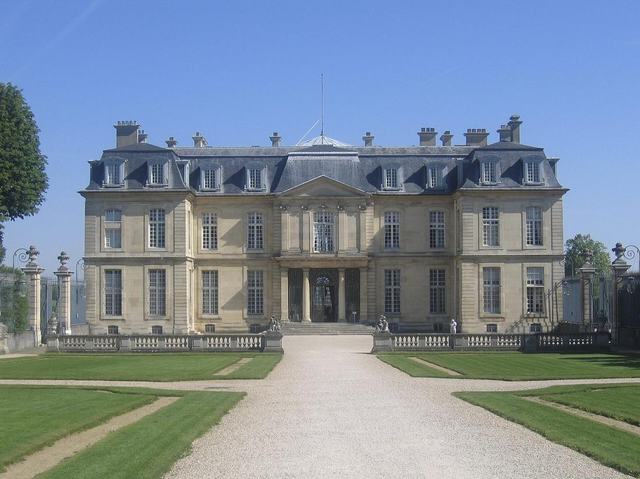
Château de Champs-sur-Marne
Near Paris, the château de Champs-sur-Marne was part of the vast estate assembled by the financier Poisson de Bourvallais at the end of Louis XIV's reign.

Château de Ferrières
Renowned as "the finest English garden on the Continent", the park of the château de Ferrières was created from 1855 by the English architect and landscape gardener Joseph Paxton for Baron James de Rothschild.
Going further
Explore the départements of this area: