Château de Vaux-le-Vicomte
This castle, one of the most beautiful in Île-de-France, was built between 1656 and 1661 by Louis Le Vau for Nicolas Fouquet, then Mazarin's superintendent of finances.
View full page →Cinema and series have made many places in France famous: a fairy-tale castle, a northern village made famous by a comedy, a small port in the South, a Norman cliff or a fort off Charente-Maritime. This selection brings together sites actually used as sets, to be found on the spot.
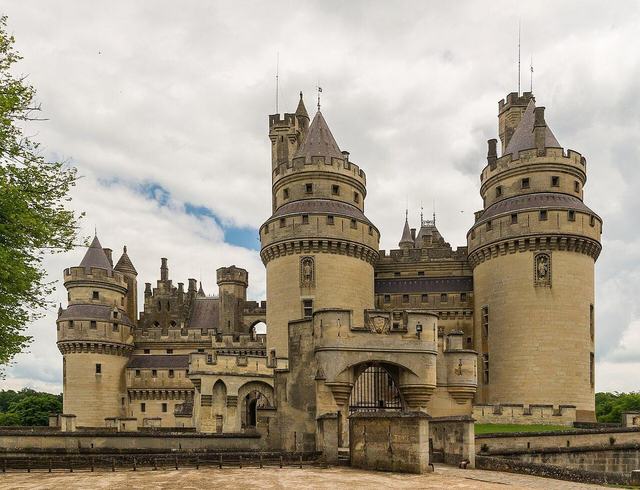
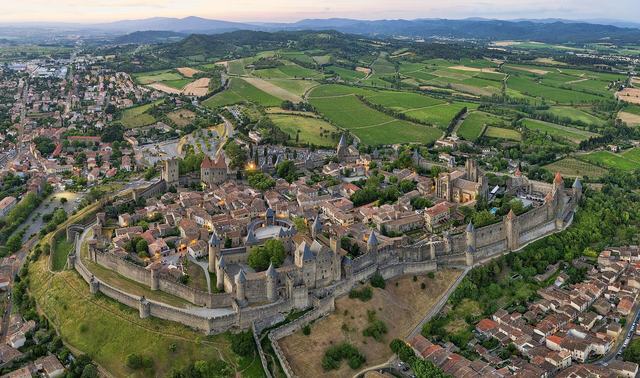
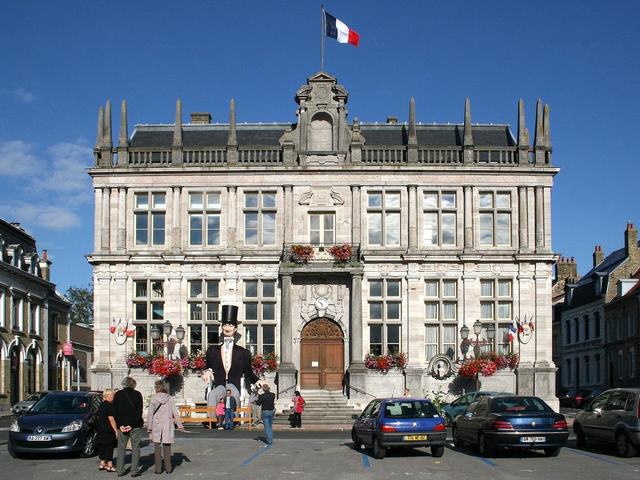
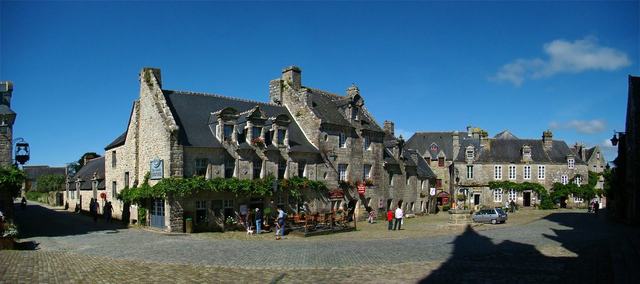
You will come across, for example, the castle of Pierrefonds, a setting of the series Merlin, the city of Carcassonne, seen in Robin Hood: Prince of Thieves, Bergues, in Welcome to the Sticks, Gruissan, in Betty Blue, Locronan, in Tess, Flavigny-sur-Ozerain, in Chocolat, the Hospices de Beaune, in La Grande Vadrouille, and Étretat, associated with Arsène Lupin.
Many other productions were also filmed in these places; have fun spotting the scenes during your visit.
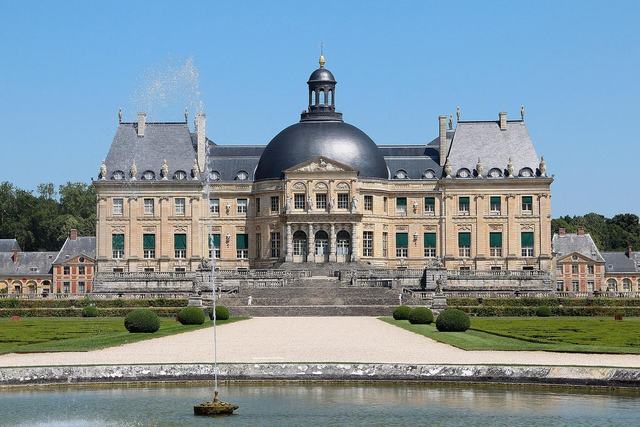
This castle, one of the most beautiful in Île-de-France, was built between 1656 and 1661 by Louis Le Vau for Nicolas Fouquet, then Mazarin's superintendent of finances.
View full page →
The Château de Pierrefonds was built in the fifteenth century by Louis d'Orléans and then dismantled on the orders of Louis XIII.
View full page →
A fortified medieval town, with the history of the crusade against the Albigensians, the still-inhabited Cité de Carcassonne lies on the right bank of the Aude.
View full page →
A little town fortified by Vauban in maritime Flanders, made famous by the film Welcome to the Sticks (Bienvenue chez les Ch'tis), ringed by ramparts and canals.
View full page →
Built in concentric circles around the remains of a medieval castle, the village of Gruissan nestles between lagoons and the Mediterranean, also famous for its chalets on stilts.
View full page →
A small town that became prosperous in the sixteenth and seventeenth centuries thanks to the sailcloth industry, wonderfully preserved Locronan has kept from its rich past very fine Renaissance granite houses.
View full page →
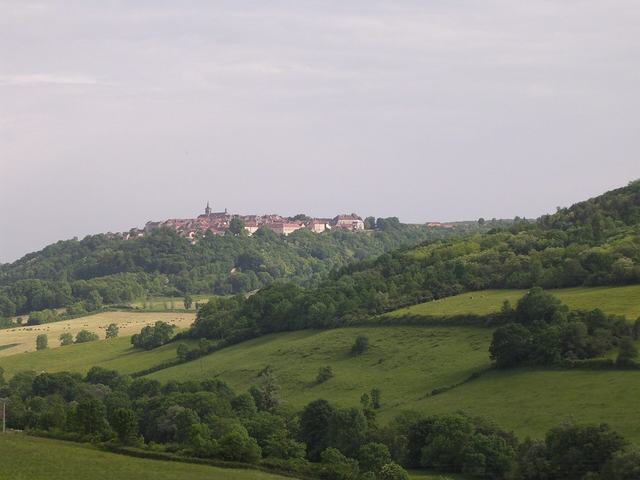
The silhouette of this perched village is punctuated by the imposing volumes of its religious buildings.
View full page →
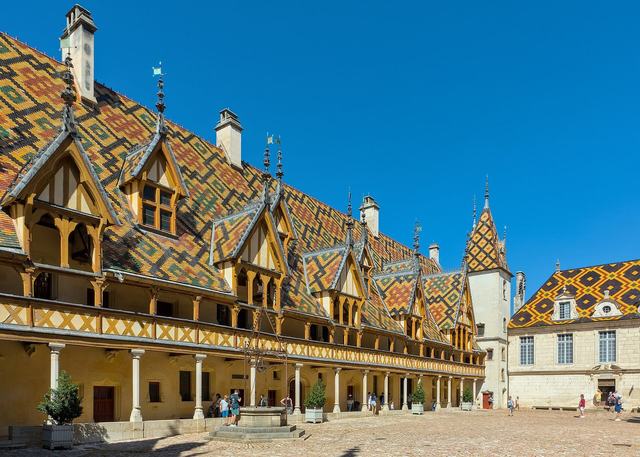
The Hospices de Beaune, or Hôtel-Dieu de Beaune, is a fifteenth-century hospital in Beaune in Burgundy, which was active until the 1960s.
View full page →
A former fishing village become a worldwide symbol of Mediterranean glamour, dominated by its citadel.
View full page →
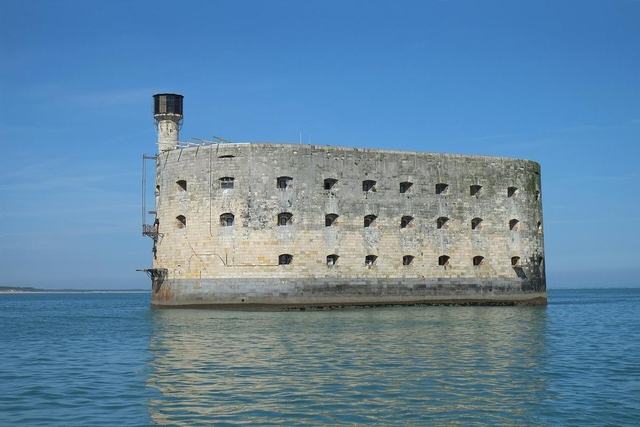
Halfway between the islands of Aix and Oléron, Fort Boyard was designed above all to protect the Île d'Aix roadstead and the royal arsenal of Rochefort.
View full page →
The construction of this vast fortress, a royal property, goes back to 1147 and that of its gardens to the eighteenth century.
View full page →
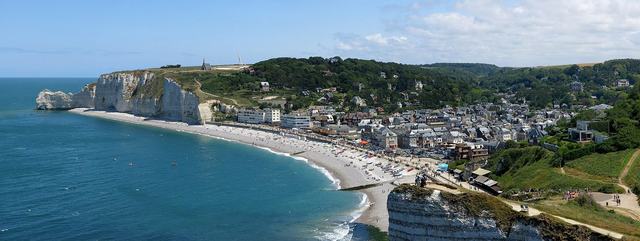
The cliffs of Étretat are an exceptional natural site where the spectacle of cliffs cut into arches, needles and pinnacles will take your breath away.
View full page →
A great military and transatlantic port at the tip of the Cotentin, with the largest artificial harbour in Europe and a rich maritime history.
View full page →
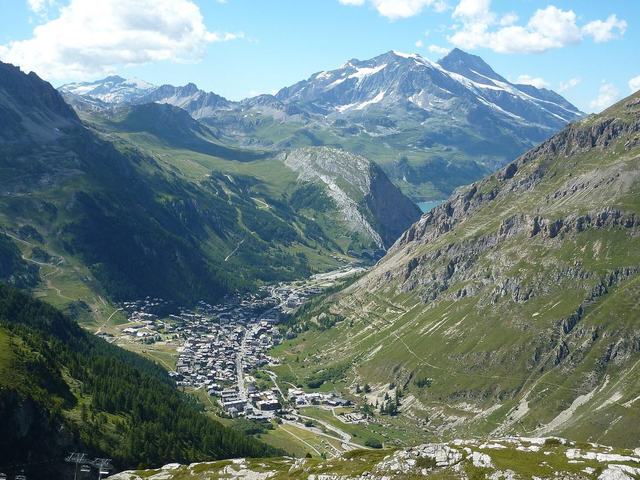
Val-d'Isère is a French commune and ski resort in the Savoie département and the Rhône-Alpes region, located in Haute-Tarentaise, in the Vanoise massif, at 1,850 m altitude.
View full page →
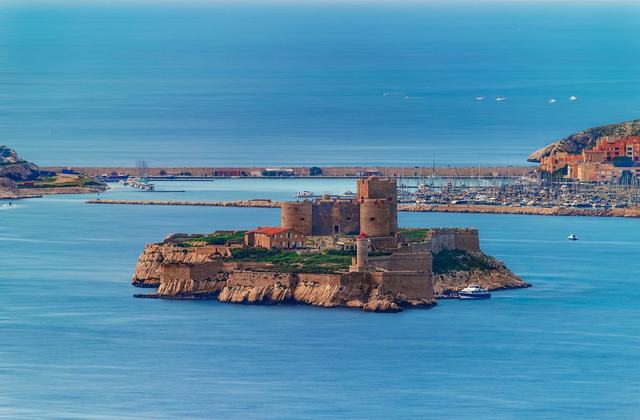
Facing the city of Marseille stands the château d'If, whose military importance has had a far lesser legacy than the legends linked to this picturesque site...
View full page →
A favoured residence of the French monarchy from Louis XIV to Louis XVI, the Palace of Versailles, embellished by several generations of architects, sculptors, ornamentalists and landscape designers, was for more than a century the model in Europe of what a royal residence should be.
View full page →
Used by the kings of France since the twelfth century, the hunting lodge of Fontainebleau, in the heart of a great Île-de-France forest, was transformed, enlarged and embellished in the sixteenth century by Francis I, who wanted to make it a "new Rome".
View full page →
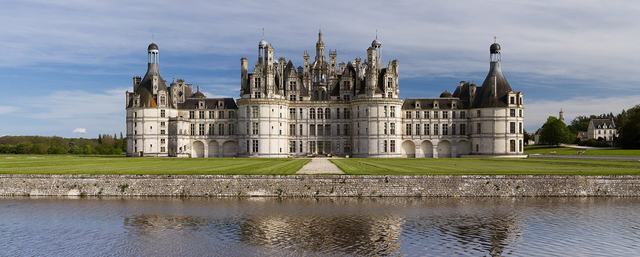
Chambord, which measures 156 m by 117 m and has 440 rooms, is the largest of the Loire castles.
View full page →
Founded in 1093 by a few Benedictine monks, Fontfroide joined the Cistercian Order in 1145 and quickly became one of the most powerful Cistercian abbeys of Christendom.
View full page →
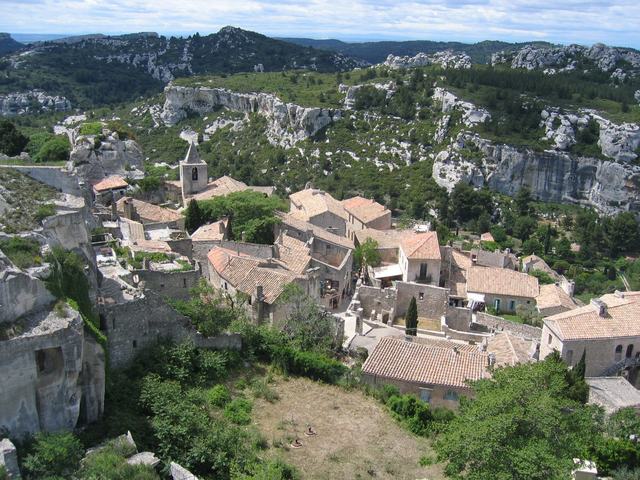
In the heart of the Alpilles, the monumental Carrières de Lumières host multimedia shows unique in the world. Each year a major new show is offered presenting the greatest names in art history.
View full page →
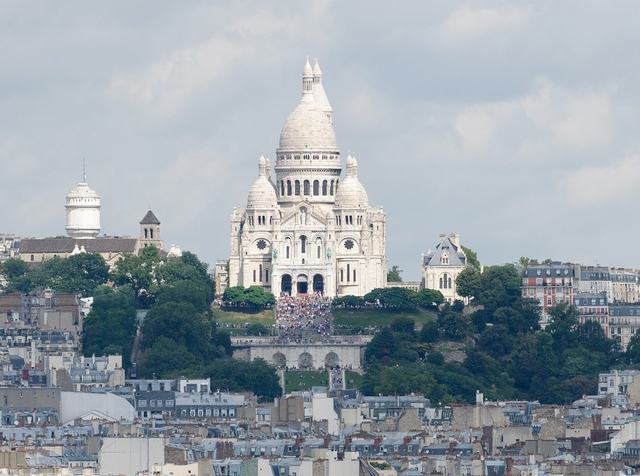
An artists' village perched on the highest hill in Paris, where the Sacré-Cœur basilica overlooks cobbled lanes that have stayed away from the Parisian bustle.
View full page →
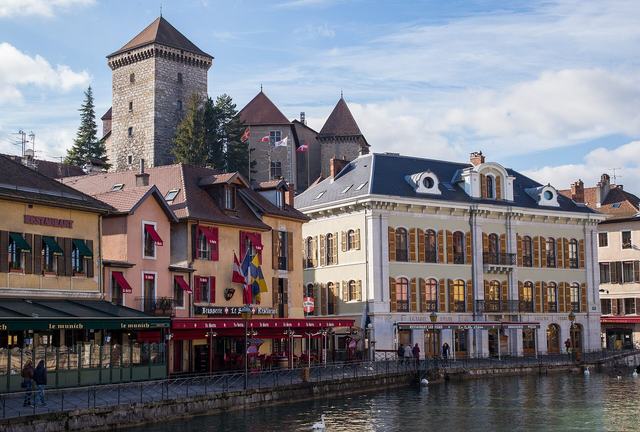
Nicknamed the "Venice of the Alps" for its canals lined with colourful houses, this Savoyard prefecture overlooks the clear waters of its lake.
View full page →
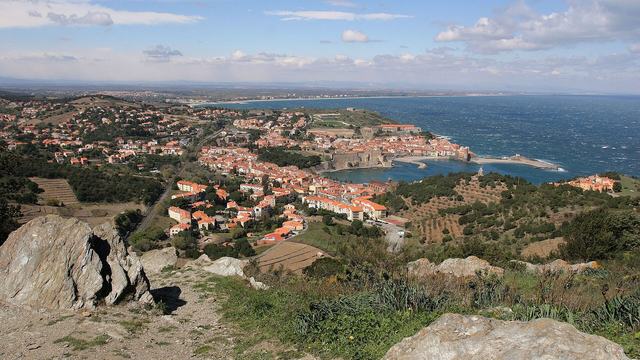
A little Catalan port of colourful houses nestled in a cove of the Vermilion Coast, immortalised by Matisse and the Fauvist painters in the early twentieth century.
View full page →
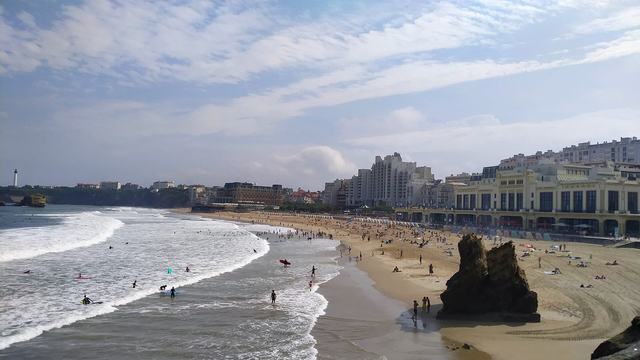
A chic seaside resort of the Basque Country, cradle of European surfing, whose Grande Plage and Rocher de la Vierge overlook the Atlantic Ocean.
View full page →
A port town founded by Colbert in the seventeenth century for the Royal Navy, known for its historic arsenal and its Corderie Royale on the banks of the Charente.
View full page →