Indre-et-Loire: what to see and do
33 sites listed in the département. The historic heart of the UNESCO-listed Loire Valley, the Indre-et-Loire lines up exceptional royal châteaux such as Chenonceau and Amboise, surrounded by renowned vineyards. Tours, its main town, and the gentle Loire way of life complete the heritage of this garden of France.
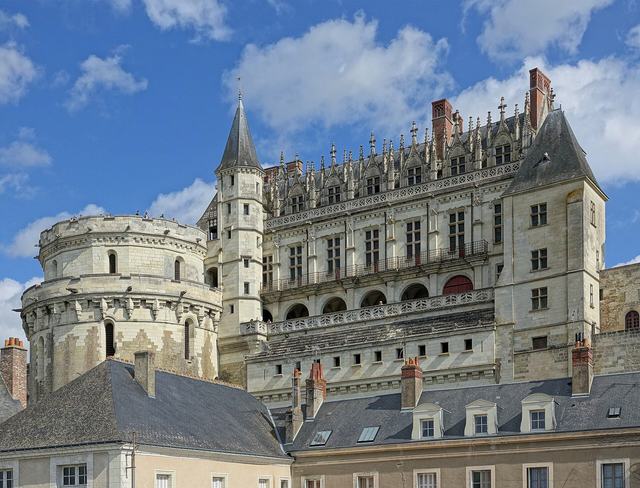
Château d'Amboise
The Château d'Amboise rises above the Loire. One of the most visited monuments in France, on a par with the castles of Chambord, Blois, Chenonceau and Azay-le-Rideau.
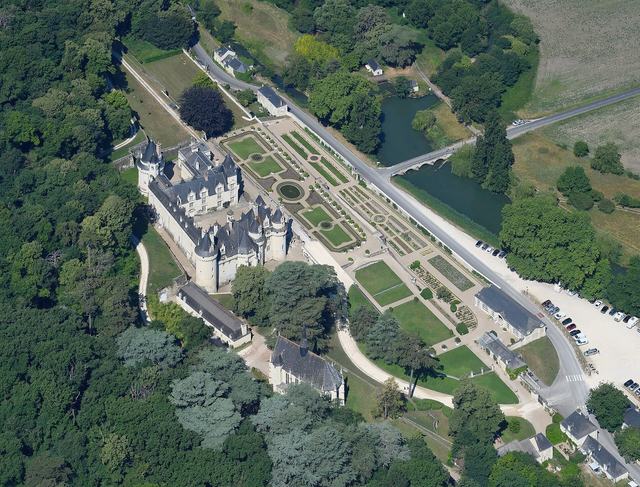
Château d'Ussé
The Château d'Ussé overlooks the Indre. It is built halfway up the slope, on the south side of the valley.
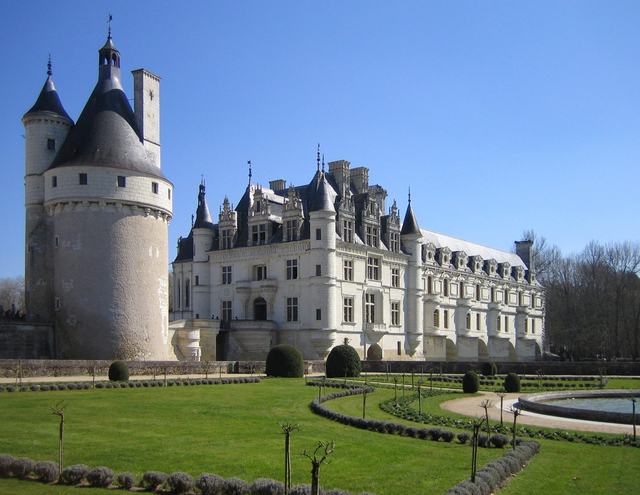
Château de Chenonceau
In the heart of the Loire valley, Chenonceau is the most visited private castle in the world. The present castle was built from 1513 to 1521 by Thomas Bohier, receiver of finances under Charles VIII, Louis XII and Francis I.
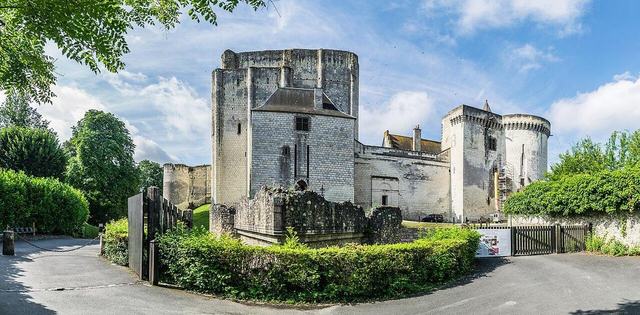
Château de Loches
The Château de Loches is one of the most representative cases of the evolution of feudal architecture.
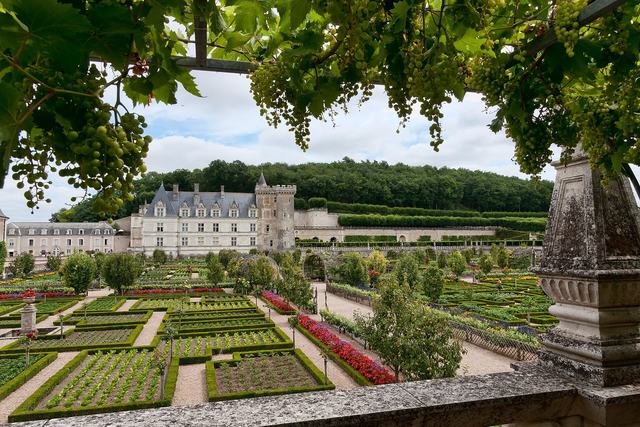
Château de Villandry
Villandry, completed around 1536, is the last of the great Loire castles built in the Renaissance in the Loire Valley. Villandry was built by a finance minister of Francis I, Jean le Breton.
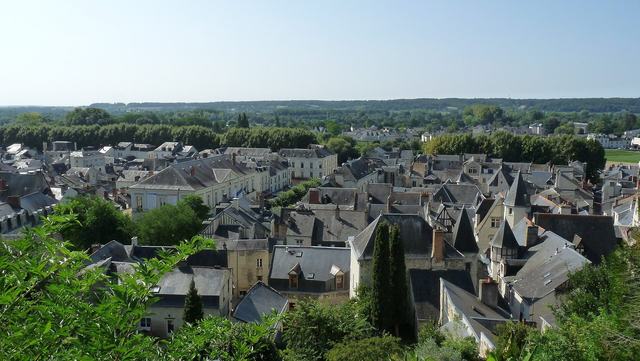
Chinon
A medieval town on the banks of the Vienne, dominated by the imposing royal fortress where Joan of Arc recognised Charles VII, surrounded by a renowned vineyard.

Grottes de Savonnières
A natural curiosity, pointed out by Bernard Palissy in 1547.
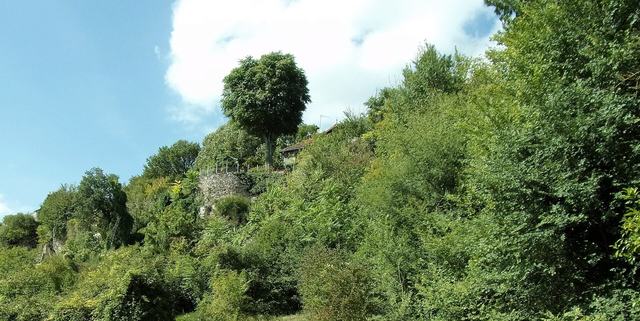
Les Rochers de Courçay
On the banks of the Indre, you will discover the admirable immaculate rocks of Courçay and the pure waters of the Doué. You can also reach the Doué resurgence, which scatters its limpid waters into a basin.

Tours
Capital of Touraine at the confluence of the Loire and the Cher, whose medieval quarter enlivens Place Plumereau, ringed with half-timbered houses.

Candes-Saint-Martin
In Gaulish "candate" means confluence, and it is at the meeting place of the Vienne and the Loire that the village settled.

Centre de création contemporaine Olivier Debré
The main art centre in the Centre-Val de Loire region, the Contemporary Creation Centre of Tours now incorporates a historic collection of the painter Olivier Debré.
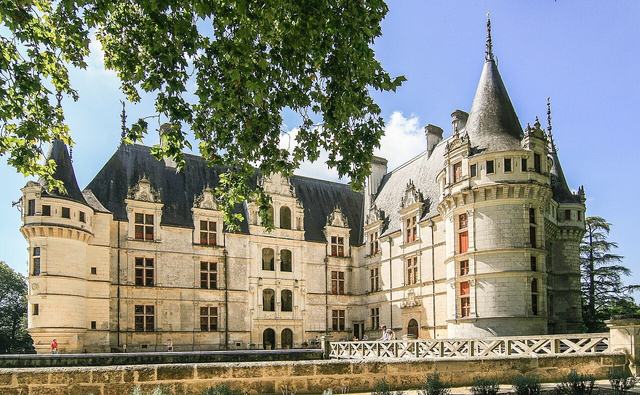
Château d'Azay-le-Rideau
Located in Touraine, it belongs to the prestigious line of Loire Valley châteaux.
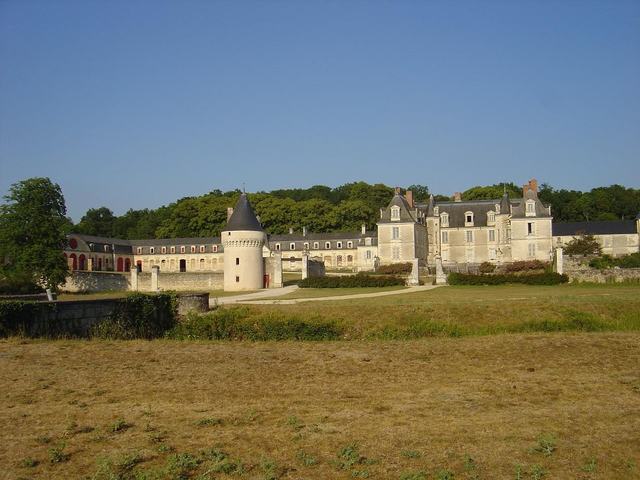
Château de Gizeux

Château de Langeais
In Touraine, on the banks of the Loire, the château de Langeais dates from the late Middle Ages with its wall-walk, drawbridge and imposing towers.
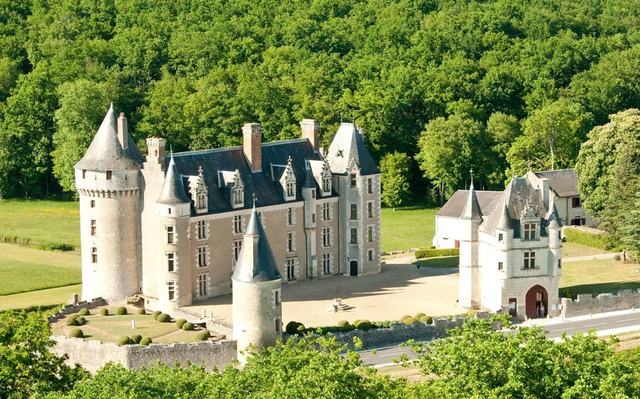
Château de Montpoupon

Château de Reignac

Château de Tours

Château de Valmer
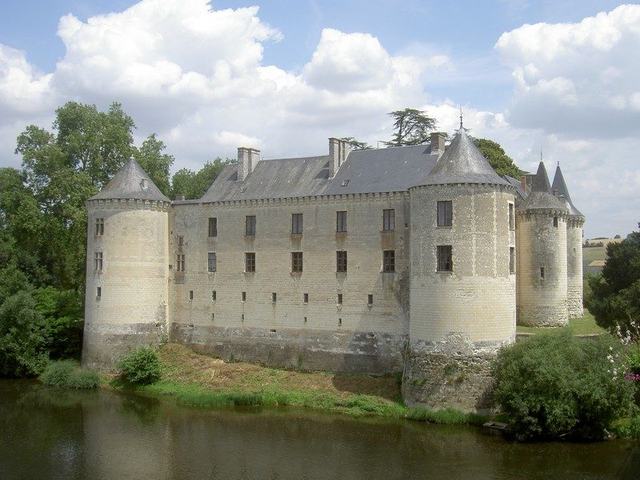
Château de la Guerche
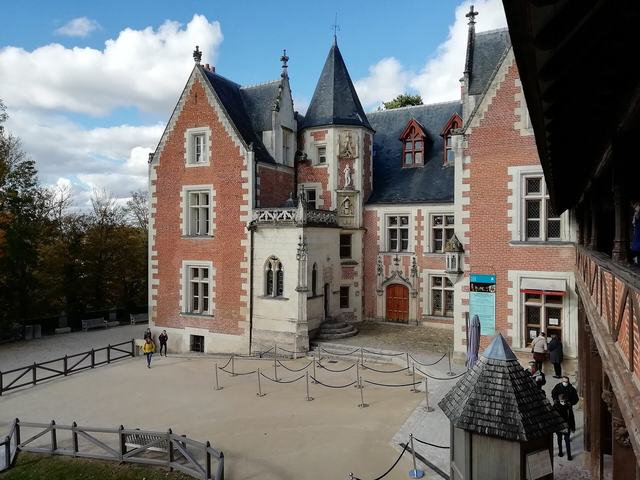
Château du Clos Lucé
The château du Clos Lucé, formerly called the manor of Cloux or the Clos, is a residence in the town centre of Amboise in the heart of the Loire Valley.
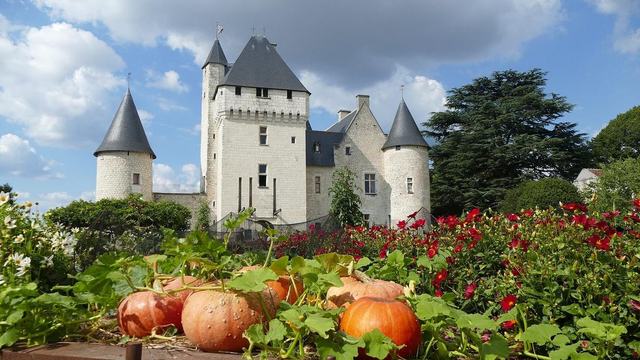
Château du Rivau
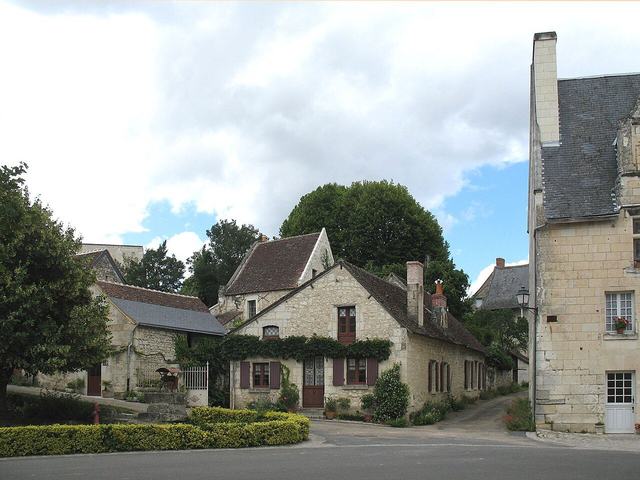
Crissay-sur-Manse
Located in the heart of Touraine, in the picturesque Manse valley, the village of Crissay is full of charm.
Family Park

Grand Aquarium de Touraine

Jardin botanique de Tours
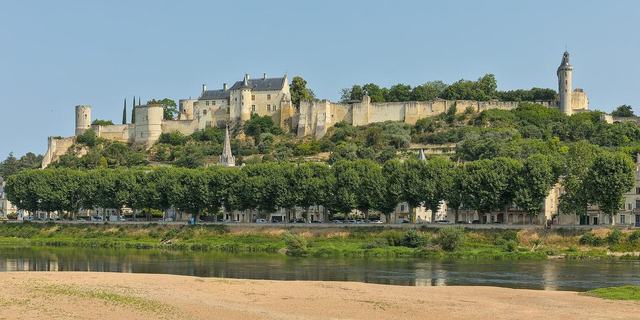
La forteresse de Chinon
Overlooking the town, the fortress built by the count of Blois, Theobald I, evokes the time when the histories of France and England were intimately intertwined: the Court of Henry II Plantagenet and Eleanor of Aquitaine settled there in the twelfth century.
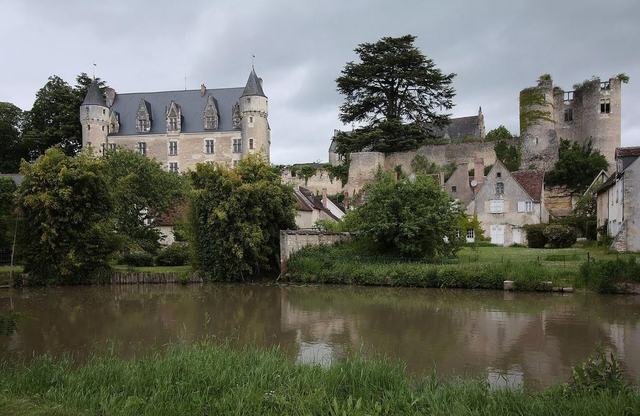
Le Château de Montrésor

Lulu Parc

Mini-Châteaux
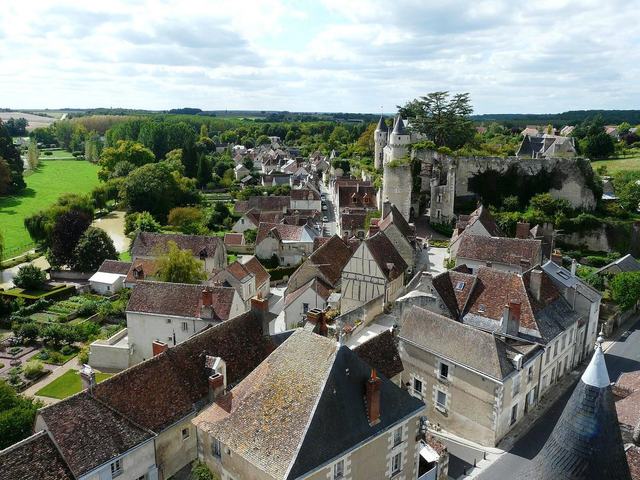
Montrésor
Standing on the banks of the Indrois, Montrésor seems to have stayed apart from all modernisation.

Musée Balzac
The château de Saché was built in the sixteenth century. Honoré de Balzac was a native of Touraine and his region deeply marked his work.

Musée des Beaux-Arts de Tours
The Tours Fine Arts Museum is housed in the town's former episcopal palace, near the cathedral.
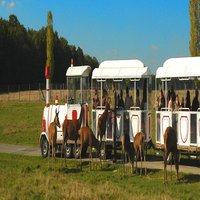
Réserve de Beaumarchais
Themed wildlife park: "Big game raised in France". Aboard a safari train you will discover all this big game raised in semi-freedom: the stag and its hinds, wild boar, fallow deer, ostriches, bison.