1
Villages · Vaucluse
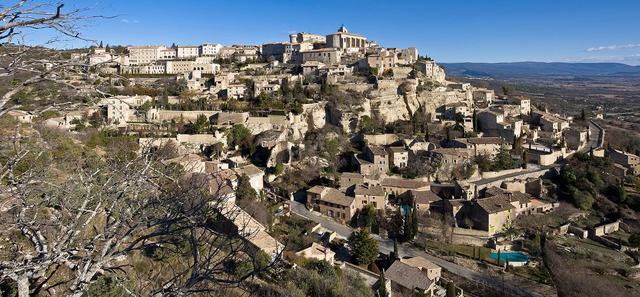
Gordes
This village perched on a promontory seems to stand guard over the Apt valley and the Cavaillon plain.
View full page →Built on a hillside or at the top of a rocky pinnacle, hilltop villages have overlooked their valley for centuries, often for defensive reasons before becoming prized tourist sites.
This selection brings together essentials of the genre, from the Luberon to the Côte d'Azur via the Quercy and French Catalonia, each offering a panorama worth the climb on its own.
Best visited out of season or early in the morning to enjoy the lanes without the crowds of the big weekends.
This village perched on a promontory seems to stand guard over the Apt valley and the Cavaillon plain.
View full page →
This village is world-famous for the 18 shades of red ochre of its Fairies' valley and the tormented relief of its old quarries, cliffs that erosion and the mistral continue to gully.
View full page →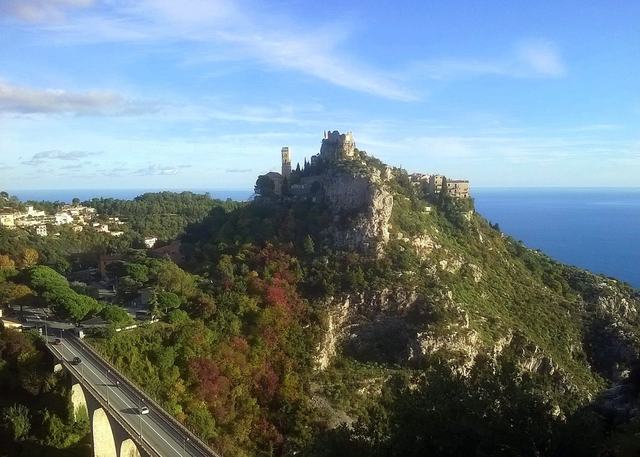
Located just after Nice, going towards Menton, Èze stretches along the sea from Cap Roux to the Pointe de Cabuel. Perched like an eagle's nest at the top of an imposing and superb cliff, you will see the village and its pale ochre church from afar.
View full page →
In the heart of Haut-Quercy, as if clinging to a mighty cliff rising 150 metres above the deep Alzou valley, this small Marian town has been a renowned place of pilgrimage since the twelfth century.
View full page →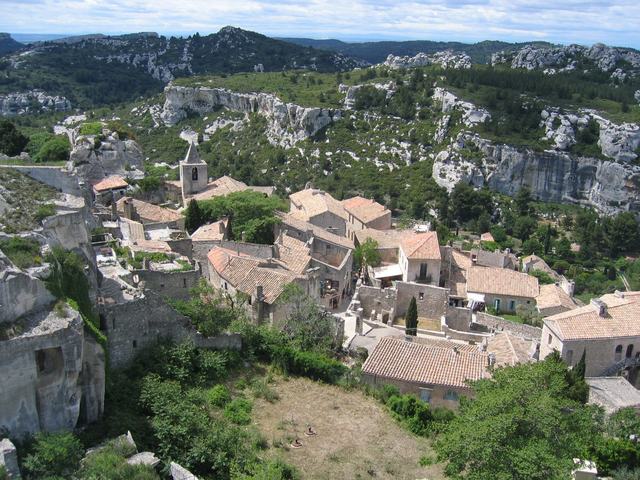
Between a dizzying precipice and the impressive ruins of its long-impregnable fortress, the most visited village in France sits on a rocky spur of the Alpilles, between the Vallon de la Fontaine and the Val d'Enfer.
View full page →
In the twelfth century, Gourdon was a military site providing protection against frequent Saracen raids.
View full page →
In the Roussillon plain, south-west of Perpignan, this old fortified village nestles at the foot of a former feudal castle remodelled in the last century.
View full page →
You reach this village by the hairpins of a narrow road crossing a terraced landscape planted with olive trees and mimosas.
View full page →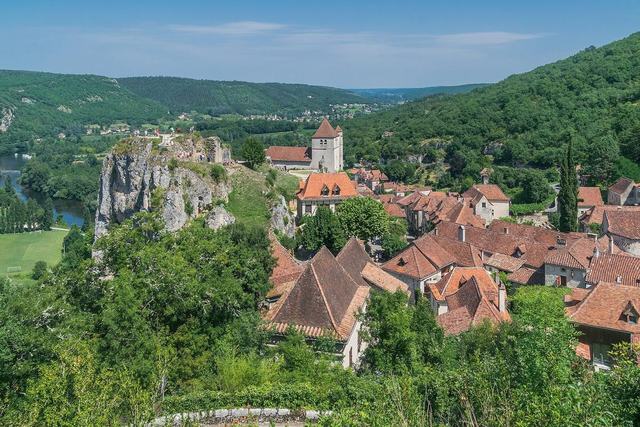
This village is largely classified as a historic monument. It stretches along a main street cut by picturesque, very flowery little lanes, carriérous or stairs linking houses.
View full page →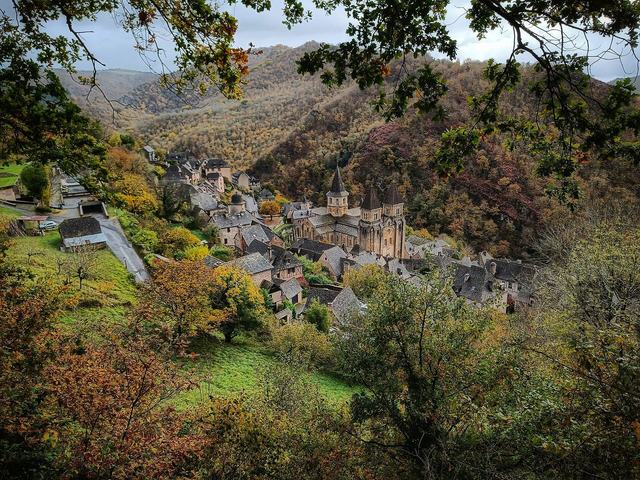
The great period of Conques, in the eleventh and twelfth centuries, coincides with the building of the Romanesque abbey church and the creation of the finest pieces of goldwork in its treasure, including the golden Majesty of Saint Foy.
View full page →