1

Bridges · Gard
Pont du Gard
The Pont du Gard was built shortly before the Christian era to let the Nîmes aqueduct, nearly 50 km long, cross the Gardon.
View full page →Arenas, theatres, temples and aqueducts: France holds an exceptional Roman heritage, especially in Provence and the Rhône valley. The Pont du Gard, the ancient theatre of Orange and the Maison Carrée in Nîmes are among the best-preserved ancient monuments in the world.
This selection brings together these great monuments, ancient towns to wander through such as Vaison-la-Romaine and Glanum, and museums that bring Roman Gaul back to life, from Arles to Lyon and Vienne. It also goes back to the Gauls, with Bibracte and Alésia.
The Pont du Gard was built shortly before the Christian era to let the Nîmes aqueduct, nearly 50 km long, cross the Gardon.
View full page →
The Arènes de Nîmes are a Roman amphitheatre built at the end of the first century, around 90 AD, to host gladiator fights and wild-beast hunts before more than 20,000 spectators seated according to social rank.
View full page →
The Maison Carrée is a hexastyle Roman temple built in the early first century in Nîmes, in the Gard.
View full page →
Located in Provence, the Ancient Theatre of Orange is the best-preserved Roman theatre in the West, listed as a UNESCO World Heritage site.
View full page →
The ancient arch of Orange, or commonly the Triumphal Arch of Orange, is a monumental Roman arch of the early first century, which marks the north entrance of Arausio (now Orange, Vaucluse) on the Via Agrippa (now route nationale 7).
View full page →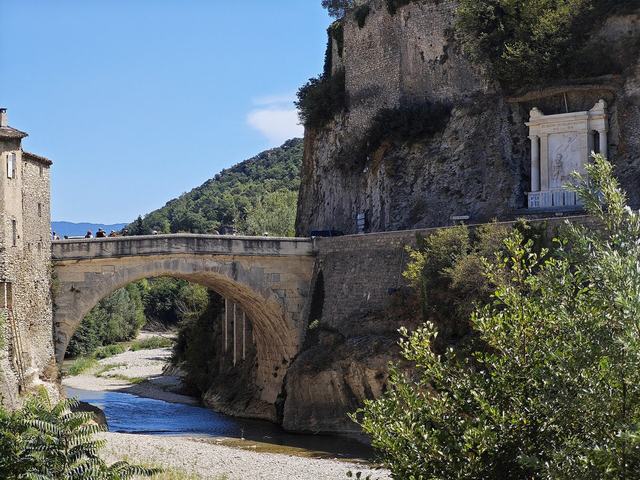
Between the Rhône valley and Mont Ventoux, Vaison is very close to the Dentelles de Montmirail, in hill country scented with vines and olive trees.
View full page →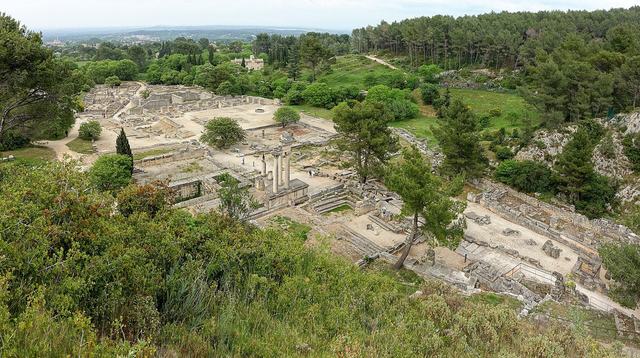
The site of Glanum was inhabited by local peoples from the 6th century BC. Around the 2nd century BC, the town became Hellenised through contact with Greek merchants from Marseille.
View full page →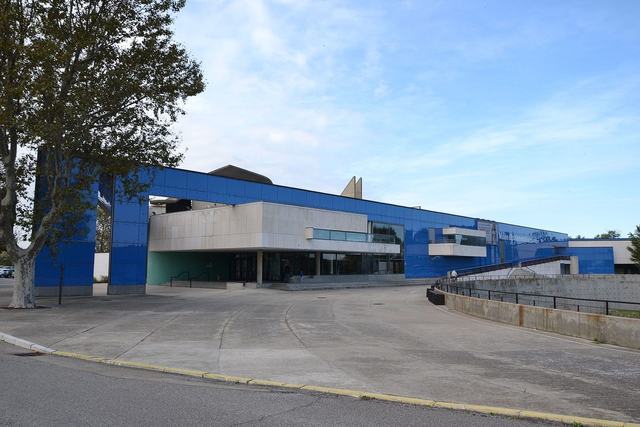
It is in Arles, in the heart of Provence, that you will discover this exceptional museum that presents one of the richest archaeological collections in France, heritage of the prestigious past of the town.
View full page →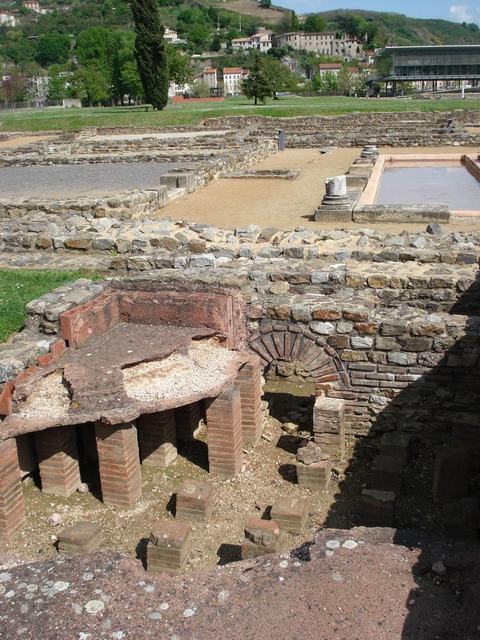
The Saint-Romain-en-Gal archaeological museum is in Saint-Romain-en-Gal in the Rhône département above the archaeological site of the same name, in the heart of the ancient Roman city of Vienna.
View full page →
The museum of Gallo-Roman civilisation is in Lyon, near the Roman theatres, on the Fourvière hill, once in the heart of the Roman city of Lugdunum.
View full page →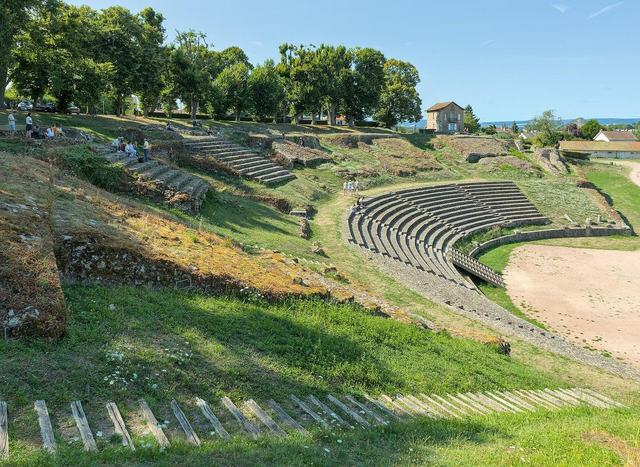
Built in the 3rd century, the Roman theatre of Autun could hold up to 20,000 people. With a diameter of 149 metres, it was the largest in capacity in the western part of the Roman Empire.
View full page →
A 1st-century Gallo-Roman amphitheatre, one of the oldest in Gaul, nestled in a small valley on the edge of the town of Saintes.
View full page →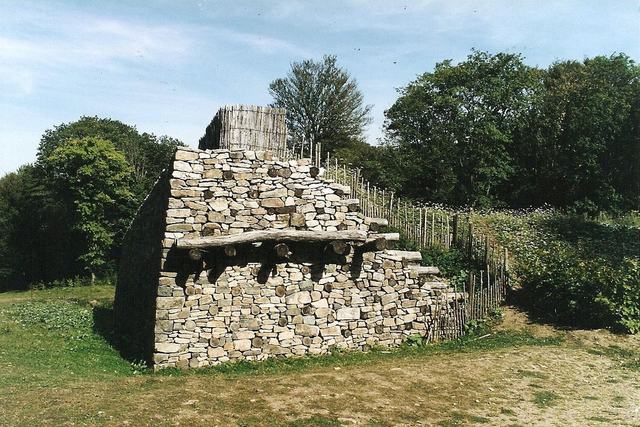
Bibracte is at the summit of Mont Beuvray and the panorama is superb. You arrive by a fortified gate in the middle of a mysterious forest of twisted "queules" beeches.
View full page →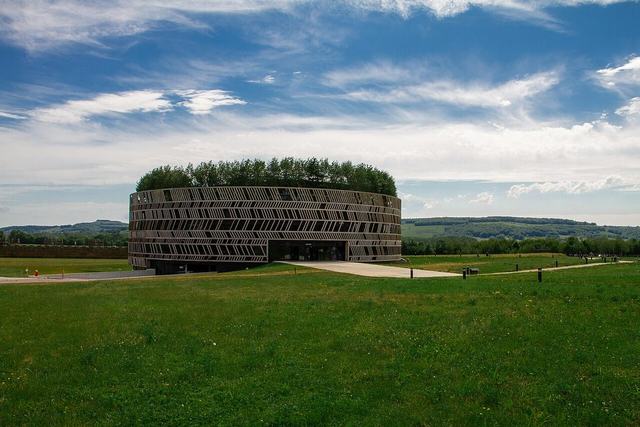
Conviviality and interactivity are at the heart of the MuséoParc programme: themed talks, educational workshops, historical demonstrations, audio guides with a choice of a 'child' tour with games or an 'adult' tour, and a play area for children aged 3 to 8.
View full page →