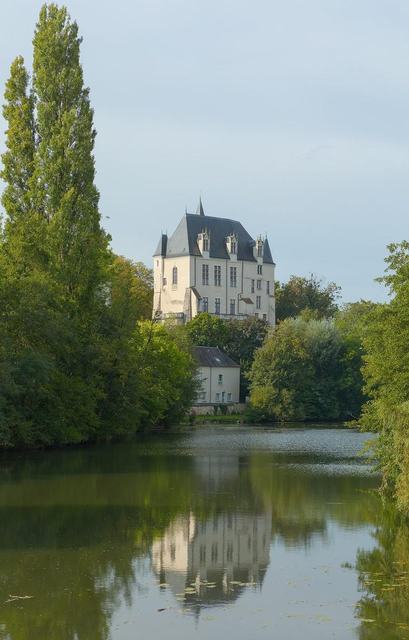
Indre: what to see and do
18 sites listed in the département. Heart of the Berry, the Indre cultivates a discreet heritage of little-known châteaux, such as Valençay, and the Brenne, a region of a thousand ponds nicknamed the Poland of the Berry. This rural département appeals to lovers of nature and hidden heritage.
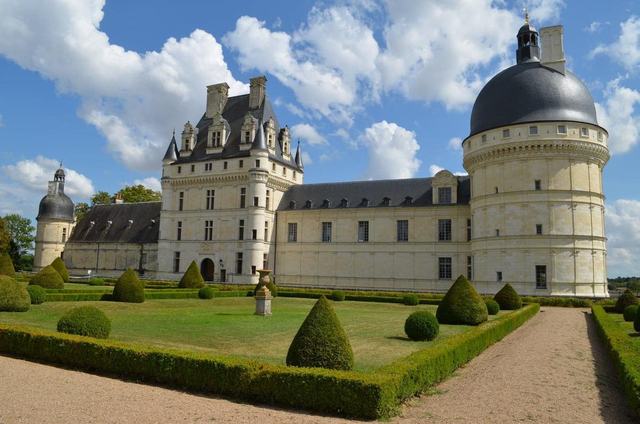
Château de Valençay
Built in 1540 by Jacques d'Estampes, the Château de Valençay was bought by Talleyrand in 1803, when he was Minister of Foreign Affairs.
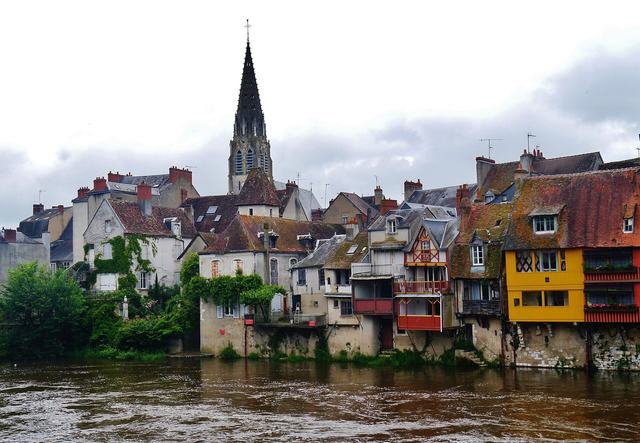
Argenton-sur-Creuse
A small town nicknamed the "Venice of the Berry", whose colourful houses with wooden balconies directly overlook the calm waters of the Creuse.
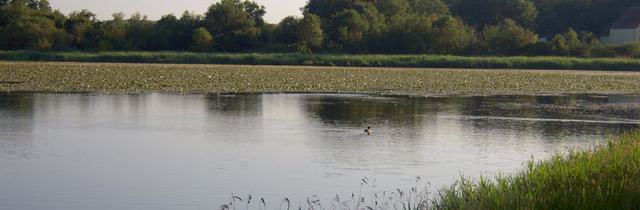
Les Etangs du Grand-Brun
The ponds of Grand-Brun and Mer Rouge: the Brenne, land of a thousand ponds, is a paradise for rare animal and plant species.
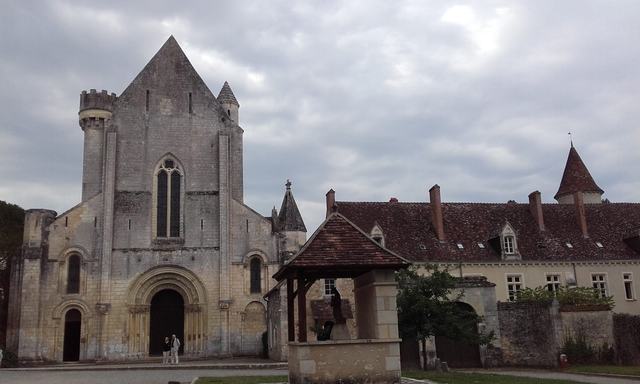
Abbaye Notre-Dame de Fontgombault
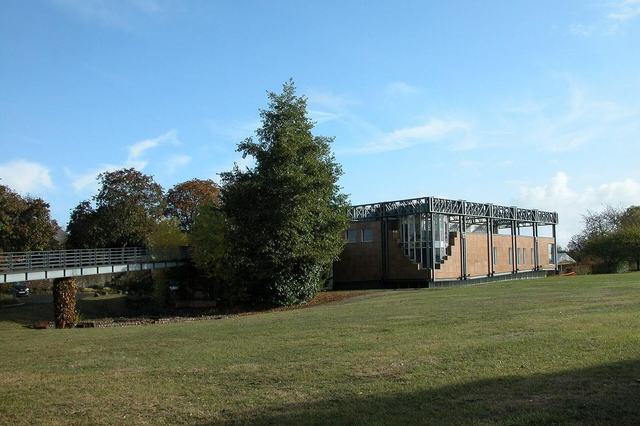
Argentomagus
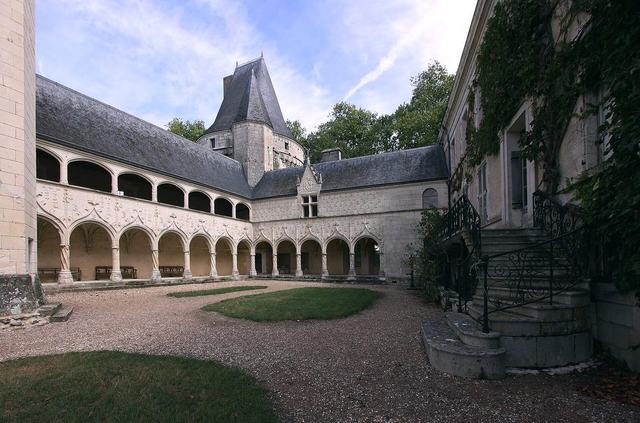
Château d'Argy
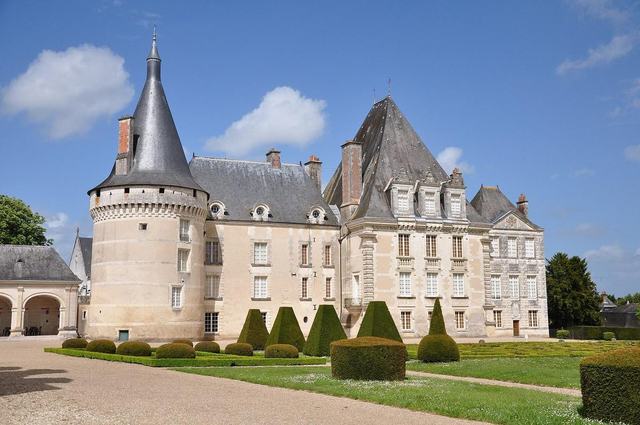
Château d'Azay-le-Ferron
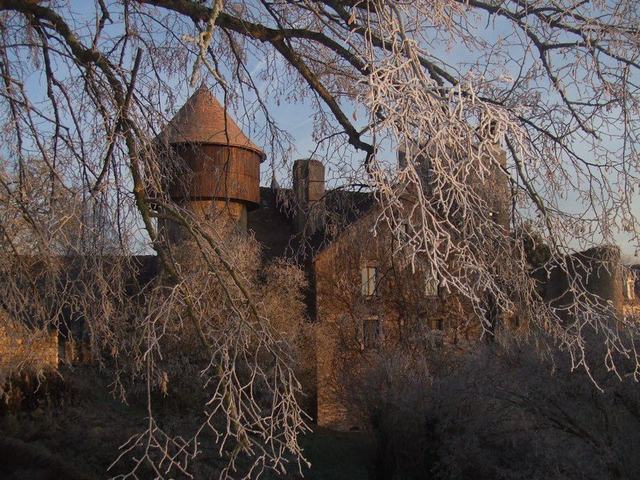
Château d'Ingrandes
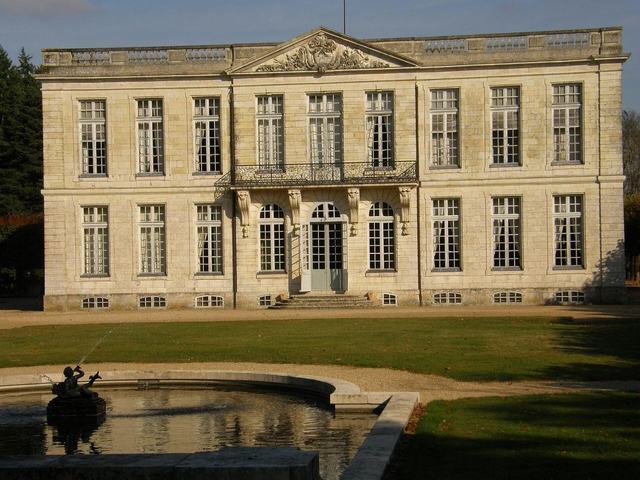
Château de Bouges
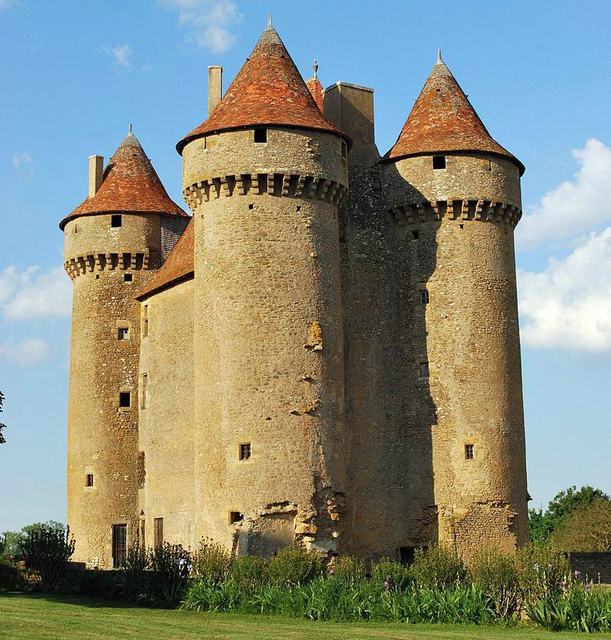
Château de Sarzay
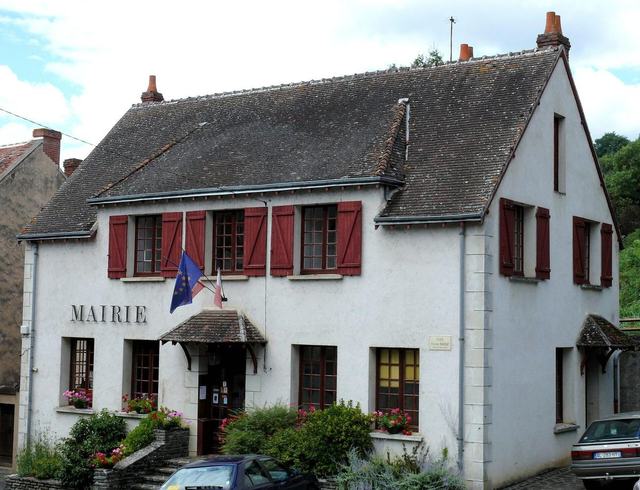
Gargilesse-Dampierre
Gargilesse nestles in the green and peaceful Creuse valley. The village forms a harmonious ensemble, with its simple, flowered old houses, its castle rebuilt in the eighteenth century and its Romanesque church.
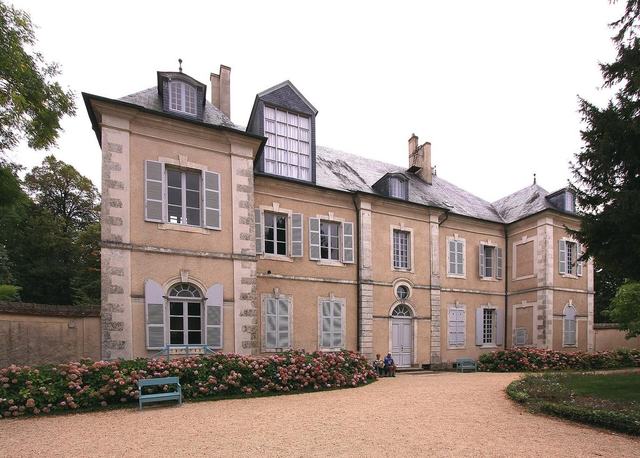
Le domaine de George Sand à Nohant
George Sand (1804–1876) made the family estate of Nohant, near La Châtre, a high place of artistic creation.
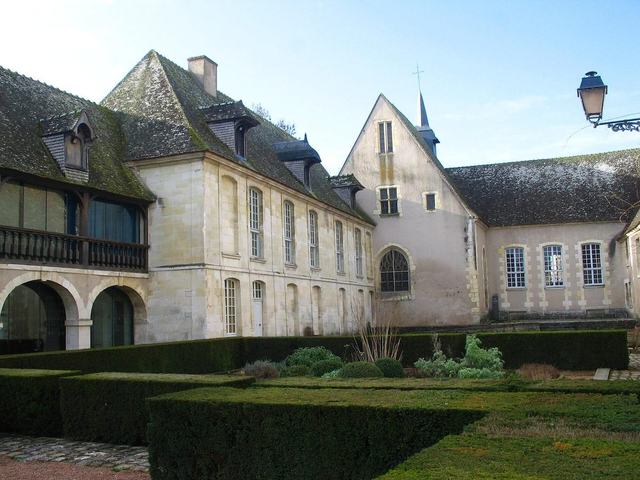
Musée de l'Hospice Saint-Roch
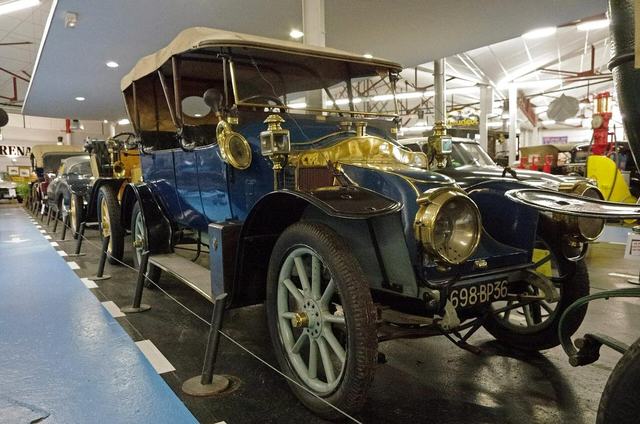
Musée de l'automobile de Valençay
A century of invention and adventure. Come and discover the automotive treasure of Valençay, a stone's throw from the Talleyrand château.
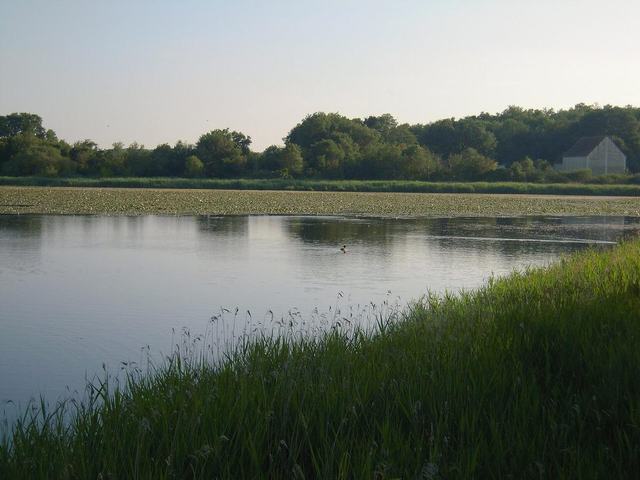
Parc naturel régional de la Brenne
The Brenne Regional Nature Park is a true driving force for the conservation of nature and heritage.
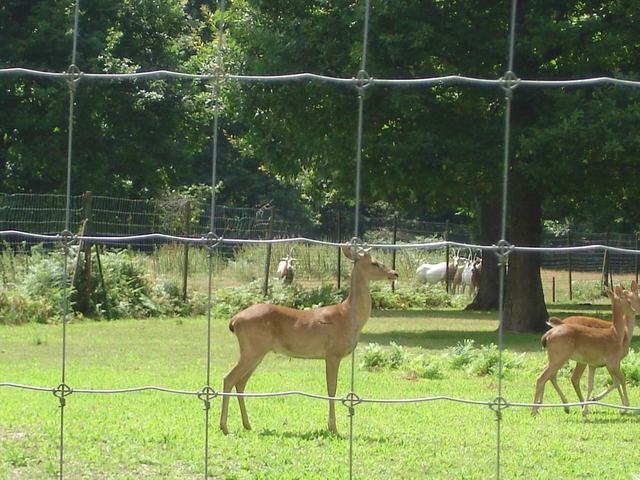
Réserve zoologique de la Haute Touche
A 500-hectare forest park where, behind a curtain of ferns or from the top of an observatory, you will discover many species.
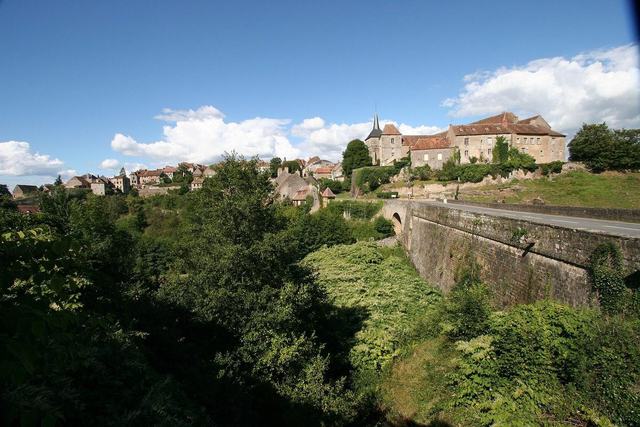
Saint-Benoît-du-Sault
Enclosed by a double belt of ramparts, partly intact, Saint-Benoît has kept from its medieval past a fortified gate, a fourteenth-century belfry and an old wall-walk.