1

Monuments · Vaucluse
Théâtre antique d'Orange
Located in Provence, the Ancient Theatre of Orange is the best-preserved Roman theatre in the West, listed as a UNESCO World Heritage site.
View full page →There are places whose image is in everyone's mind before they even go, and which still surprise when you finally stand there: the scale of the Pont du Gard, the silence of the bay of Mont-Saint-Michel at low tide, the view from the Aiguille du Midi.
Fifteen emblematic sites that form a first discovery of France: ancient monuments, hilltop villages, natural wonders and great museums. Enough to build a dream itinerary, or to tick the boxes that are still missing.
Located in Provence, the Ancient Theatre of Orange is the best-preserved Roman theatre in the West, listed as a UNESCO World Heritage site.
View full page →
"Océanopolis Brest": the ocean discovery park. Everything you need for an unforgettable day!
View full page →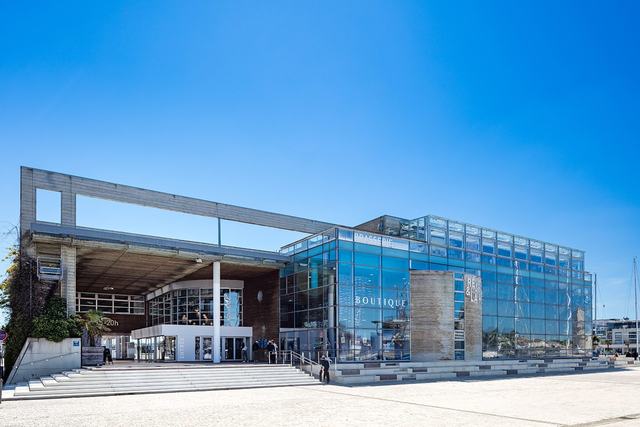
In the town centre, facing the Old Port, discover one of the largest private aquariums in Europe.
View full page →
The Louvre is the largest museum in Paris by area. Located in the heart of the city, between the right bank of the Seine and the Rue de Rivoli, in the 1st arrondissement, the building is a former royal palace.
View full page →
The Musée d'Orsay is a national museum in Paris, on the left bank of the Seine, in the 7th arrondissement.
View full page →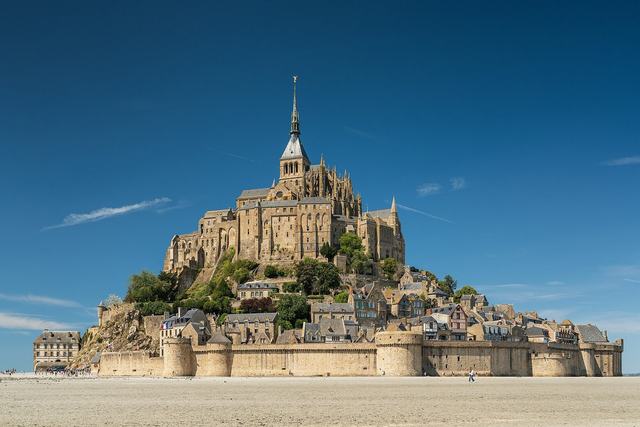
The prodigious architecture of Mont-Saint-Michel and its bay make it the most visited tourist site in Normandy and the third in France (after the Eiffel Tower and the Palace of Versailles), with some 3,200,000 visitors every year.
View full page →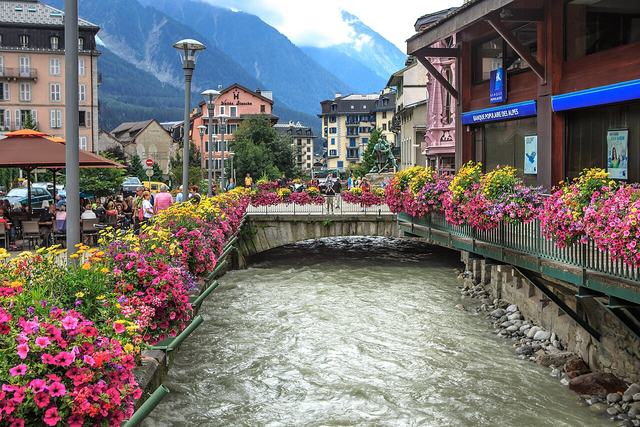
The ski area of the Chamonix valley is divided into four areas: Les Grands Montets, Brévent/Flégère, Domaine de Balme and Les Houches.
View full page →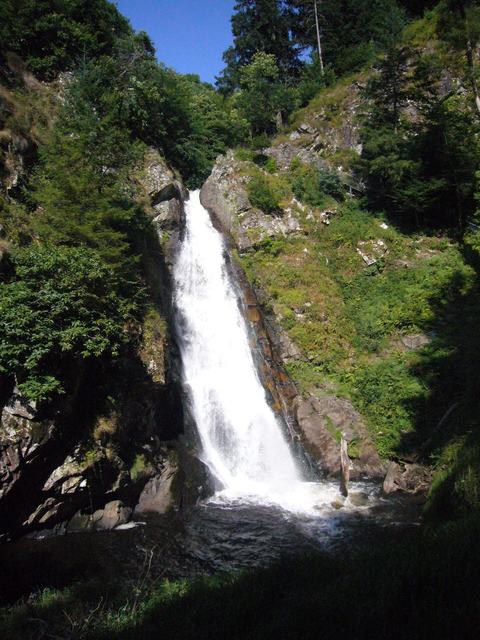
First mentioned in Abel Hugo's La France pittoresque in 1883, the waterfalls were made famous by the painter Gaston Vuillier, who laid out a park in a way that respected the site.
View full page →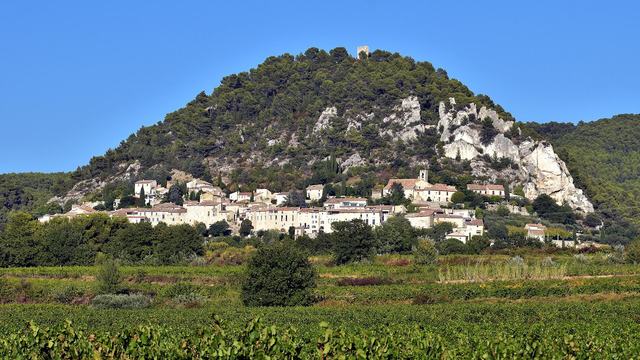
Foremost among Séguret's charms shine the Clock Tower topped by a caged bell, the fine Reynier gate, the fifteenth-century belfry, the twelfth- and thirteenth-century Romanesque church of Saint-Denis, the chapel of Notre-Dame-des-Grâces and the seventeenth-century Mascarons fountain, in Baroque style.
View full page →
The Pont du Gard was built shortly before the Christian era to let the Nîmes aqueduct, nearly 50 km long, cross the Gardon.
View full page →
A favoured residence of the French monarchy from Louis XIV to Louis XVI, the Palace of Versailles, embellished by several generations of architects, sculptors, ornamentalists and landscape designers, was for more than a century the model in Europe of what a royal residence should be.
View full page →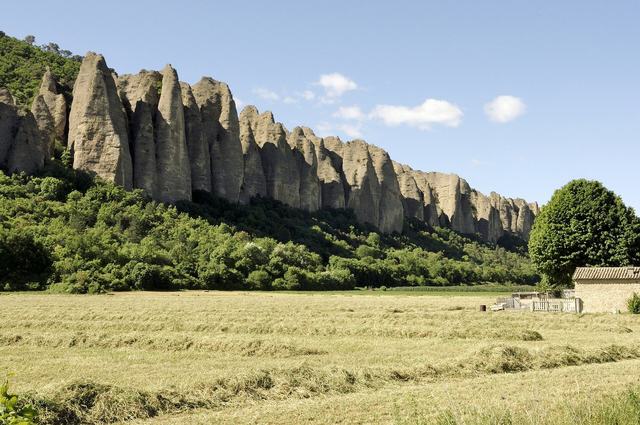
This walk will let you discover a curiosity visible from the Sisteron-Aix motorway or the N85 road.
View full page →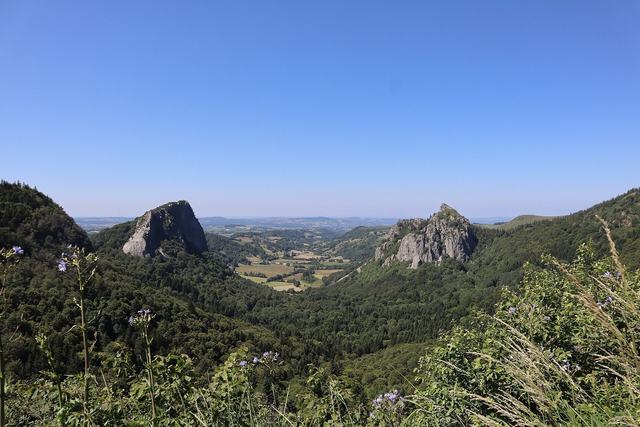
In the deep, wooded cirque of the Chausse, two great monoliths spring up, the Tuilière and Sanadoire rocks.
View full page →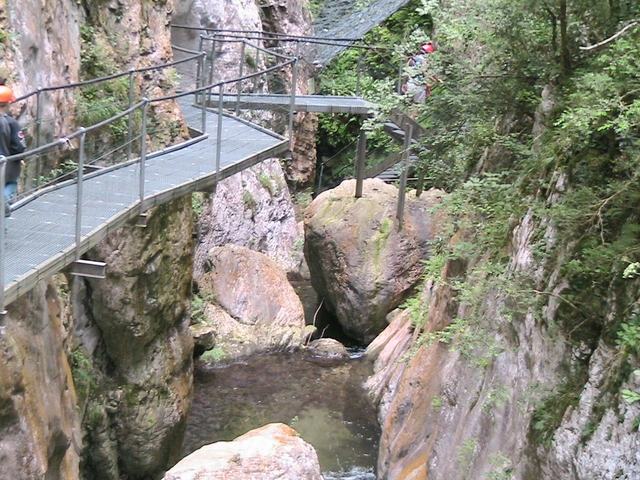
In the heart of summer, shade and coolness are sometimes welcome... Add the extraordinary beauty of a site and the walk becomes even more pleasant.
View full page →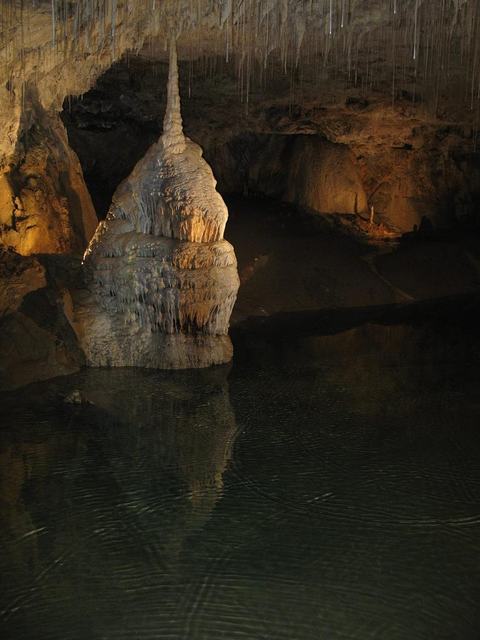
In the heart of the Vercors, explore this cave hidden in the lush nature of the Choranche cirque. The water of the underground lakes and rivers floods the crystalline whiteness of the concretions with emerald reflections.
View full page →