Photo : MySociety / Wikimedia Commons (CC BY 2.0)
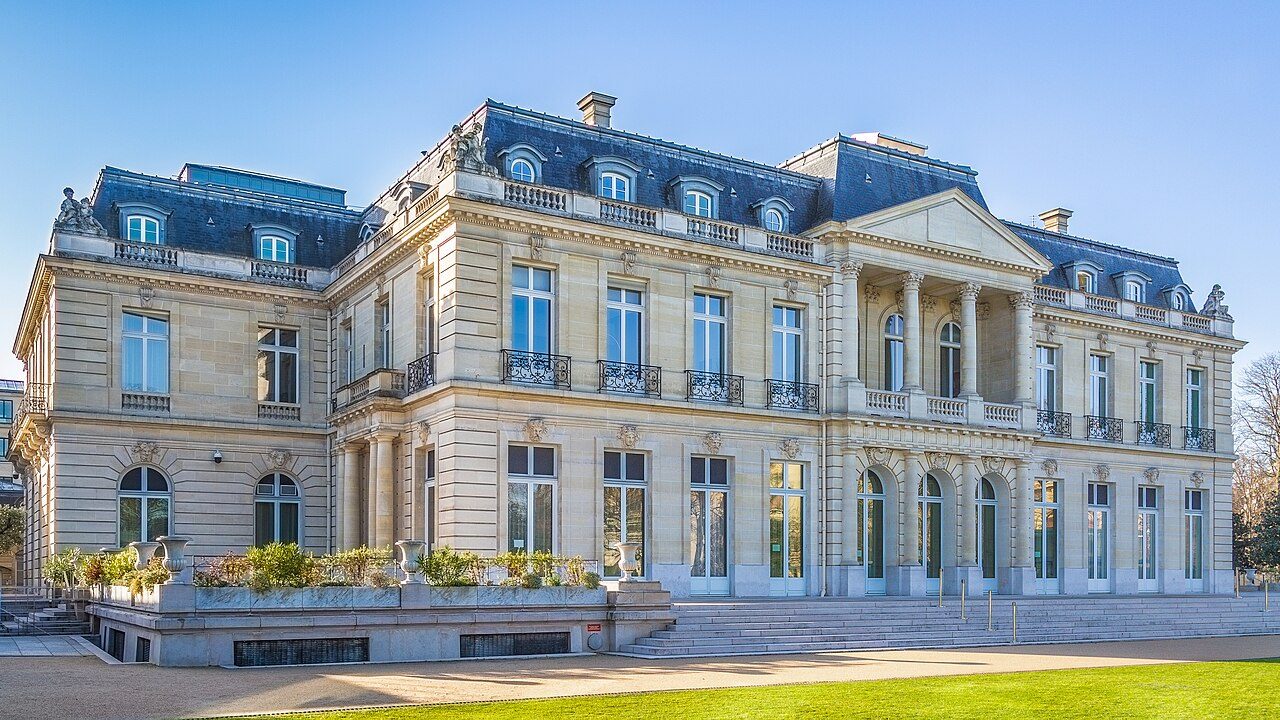
Château de la Muette
A famous meeting place for hunting parties organised since the Middle Ages, La Muette quickly won its credentials when a château was erected there at the end of the sixteenth century. Commissioned by Charles IX, the building already seemed predisposed to pass from hand to hand; a wedding gift to Queen Margot, she gave it in the early seventeenth century to the future Louis XIII. Bought back by Philippe d'Orléans a century later, the château grew and began works that Louis XV would continue, notably calling on the architects Jacques V Gabriel and Ange-Jacques Gabriel, who honour this estate newly acquired by the crown, which moreover set up its cabinet of curiosities in these gardens. If it saw kings file through its avenues, the château knew a destiny hastened by the country's tensions. A burden too heavy, it found no buyer and was abandoned before beginning its civilian life. First the enjoyment of the piano's inventor, Sébastien Érard, it then became a hospital, headquarters of Vice-Admiral Fleuriot during the Commune, the estate saw its inhabitants succeed one another, until its acquisition in 1922 by Count Henri de Rothschild. The ruined château gave way to a new building commissioned from the architect Lucien Hesse in the 1920s, which was sold to the Organisation for Economic Co-operation and Development (OECD), which set its headquarters there. A history, to say the least, eventful, which could only feed the legend of a château in the heart of Paris and whose resurrection testifies to the fascination of a heritage now celebrated.


