Gouffre de Padirac
The Padirac chasm is a natural cavity 75 m deep that opens in the surface of the Causse de Gramat in the Lot, beneath which, at 103 m, flows an underground river.
View full page →When the heat sets in, some sites offer a welcome coolness: caves and chasms, where the temperature stays around 12 °C all year round, shady gorges, waterfalls, springs and mountain lakes. A good way to enjoy the summer without suffering in a heatwave.
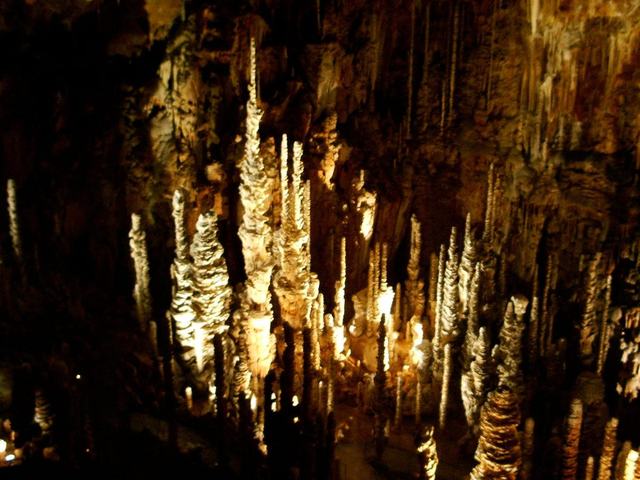
This selection brings together spectacular caves, glaciers reached by train or cable car, and white-water sites to explore on foot. Remember to bring a warm layer for the caves and the high mountains.
The Padirac chasm is a natural cavity 75 m deep that opens in the surface of the Causse de Gramat in the Lot, beneath which, at 103 m, flows an underground river.
View full page →
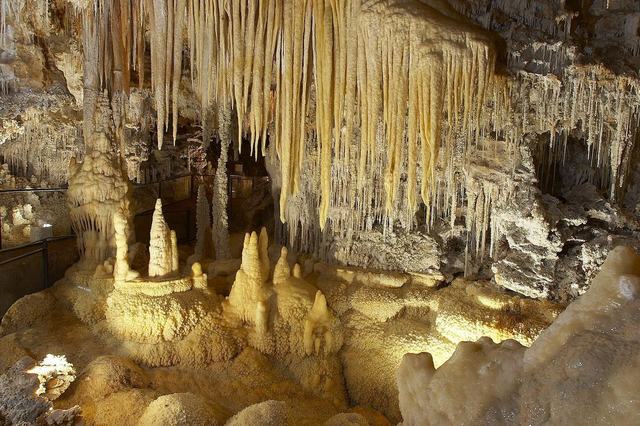
In September 1897, Louis Armand, Édouard-Alfred Martel and Armand Viré discovered this fantastic cavern for the first time.
View full page →
CLAMOUSE, a site classified by the Ministry of Ecology and Sustainable Development, is an essential tourist spot, 35 km from Montpellier, in the GRAND SITE de FRANCE of the Hérault Gorges, near the Pont du Diable and the medieval village of Saint-Guilhem-le-Désert.
View full page →
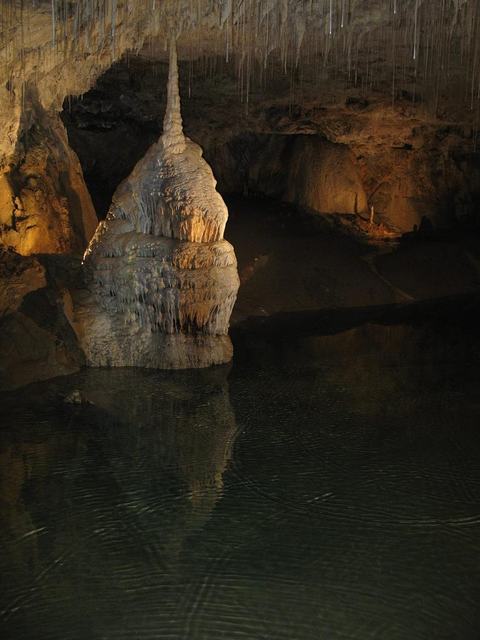
In the heart of the Vercors, explore this cave hidden in the lush nature of the Choranche cirque. The water of the underground lakes and rivers floods the crystalline whiteness of the concretions with emerald reflections.
View full page →
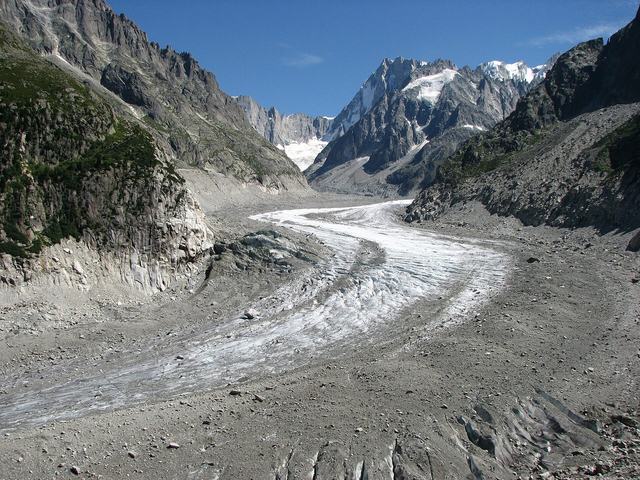
The largest glacier in France unrolls its tongue of ice over seven kilometres at the foot of the Mont Blanc massif. From Chamonix, the little Montenvers rack railway leads to the edge of this polar landscape, now upset by the rapid retreat of the ice.
View full page →
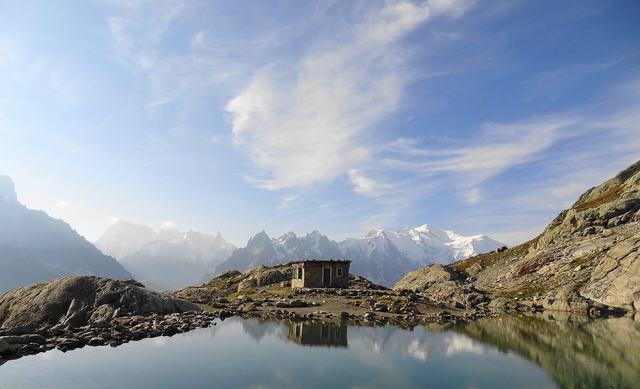
Perched at 2,352 metres in the Aiguilles Rouges massif, Lac Blanc offers one of the most emblematic panoramas of the Alps, facing the Mont Blanc massif.
View full page →
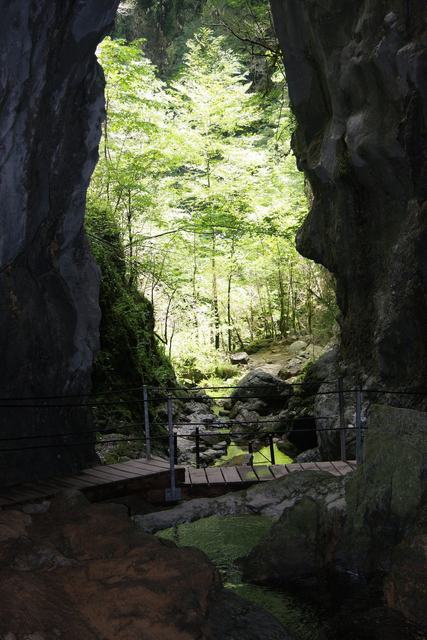
The Lovagny region, with its famous Gorges du Fier, offers tourists attractions that contrast strangely with the luminous splendours of the shores of Lake Annecy.
View full page →
A spectacular 2 km canyon in Haute-Soule, with walls reaching 350 metres high, discovered in 1906 by the speleologist Édouard-Alfred Martel.
View full page →
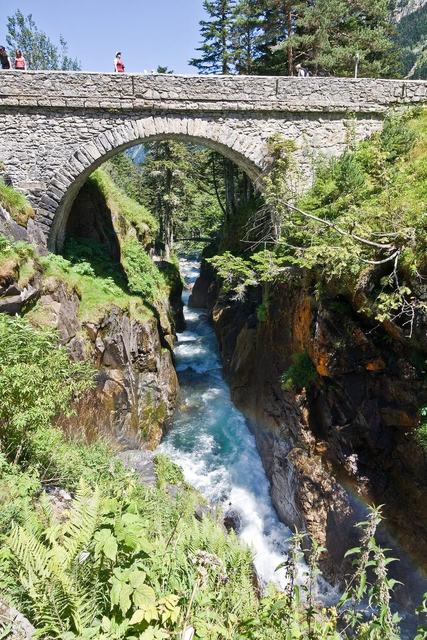
At 1,500 metres' altitude, this Pyrenean natural site brings together waterfalls and torrents at the confluence of several glacial valleys. Gateway to the Pyrenees National Park, it is the classic starting point for Lac de Gaube.
View full page →
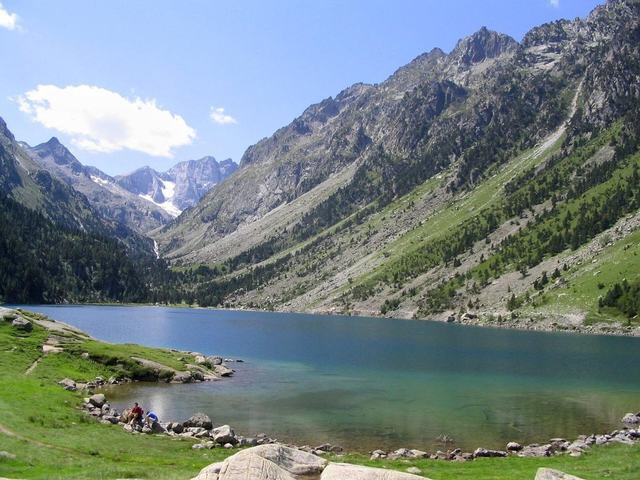
Nestled at the foot of the Vignemale, this Pyrenean glacial lake is reached from Cauterets by a hiking path or a chairlift. Its clear waters, framed by steep walls, make it one of the most visited mountain lakes in the French Pyrenees.
View full page →
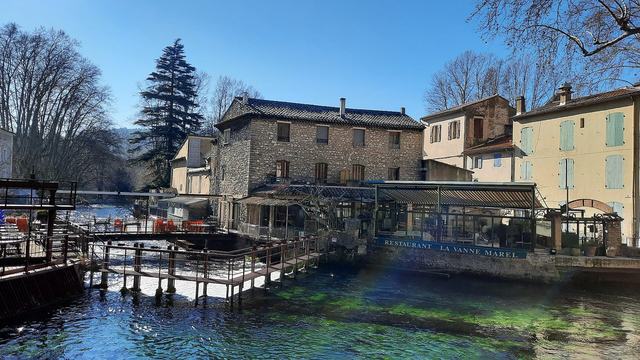
The emerald-green spring is ranked among the most important emergences in the world.
View full page →
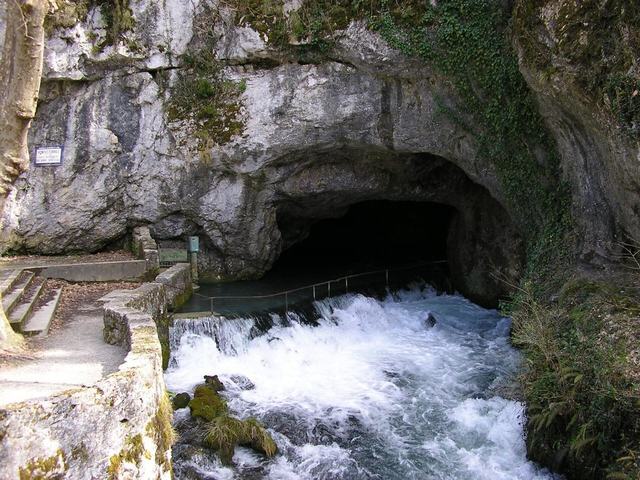
Very often after a visit to the castle, many people stop near the village of Bélesta, or more exactly at Fontestorbes.
View full page →
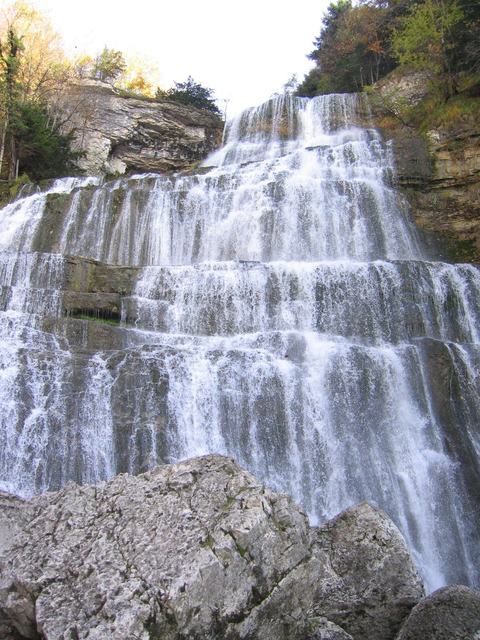
The Hérisson Waterfalls, the Éventail and the Grand Saut: they are located near Doucier, in the heart of the lakes region.
View full page →
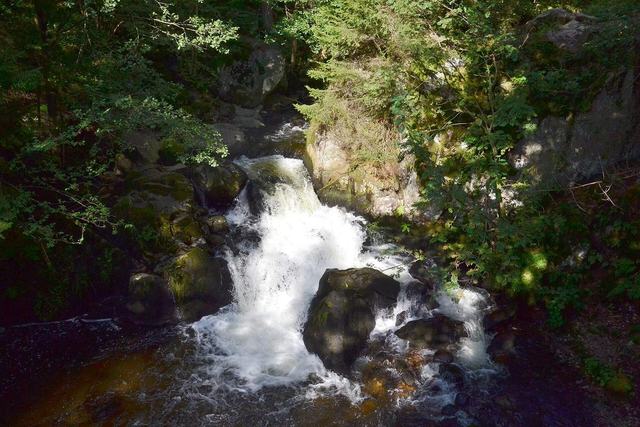
A little path has been laid out along the Vologne, which makes several falls, the largest of which is called the Saut des Cuves.
View full page →