1
Castles · Loir-et-Cher
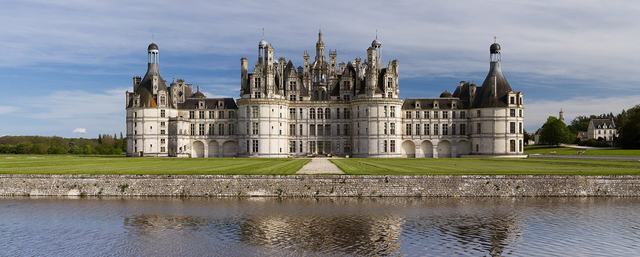
Château de Chambord
Chambord, which measures 156 m by 117 m and has 440 rooms, is the largest of the Loire castles.
View full page →A UNESCO World Heritage Site, the Loire Valley is the valley of kings: François I, Catherine de' Medici and the Renaissance nobility built some of the most beautiful châteaux in the world here. Chambord, Chenonceau and Amboise are the most famous.
This selection brings together the great royal châteaux, more intimate residences such as Azay-le-Rideau and Ussé, remarkable gardens such as those of Villandry, and the fortresses of Saumur and Angers. Cycling along the Loire à Vélo route lets you link several of them.
Chambord, which measures 156 m by 117 m and has 440 rooms, is the largest of the Loire castles.
View full page →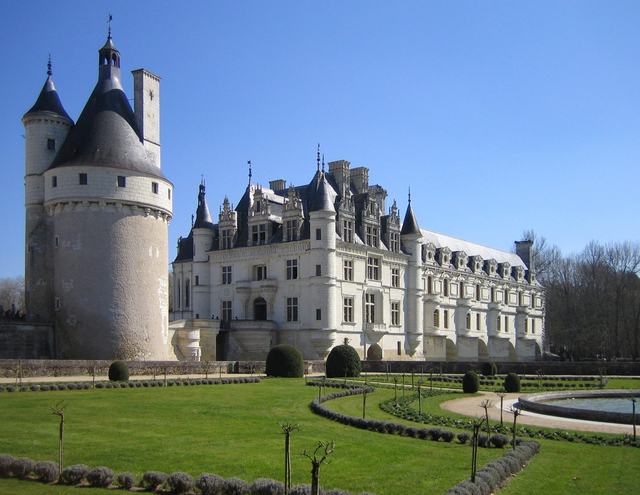
In the heart of the Loire valley, Chenonceau is the most visited private castle in the world. The present castle was built from 1513 to 1521 by Thomas Bohier, receiver of finances under Charles VIII, Louis XII and Francis I.
View full page →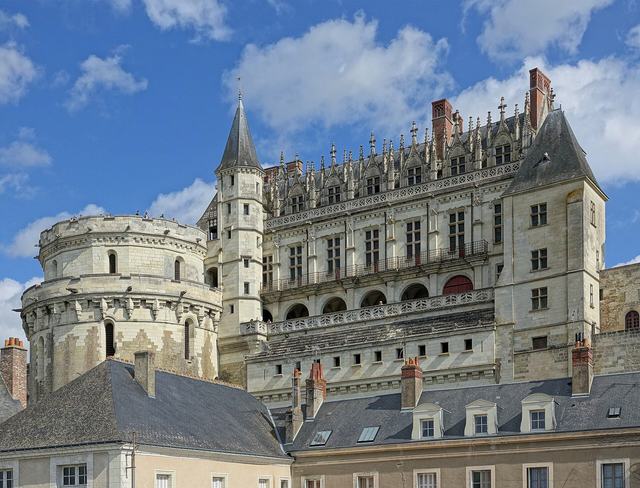
The Château d'Amboise rises above the Loire. One of the most visited monuments in France, on a par with the castles of Chambord, Blois, Chenonceau and Azay-le-Rideau.
View full page →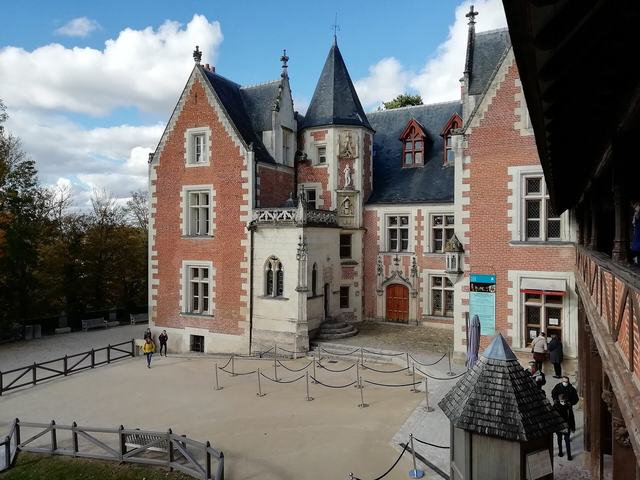
The château du Clos Lucé, formerly called the manor of Cloux or the Clos, is a residence in the town centre of Amboise in the heart of the Loire Valley.
View full page →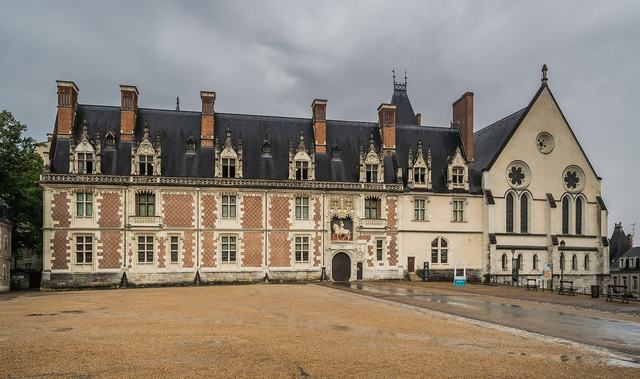
The castle was built on a promontory overlooking the Loire and the Arrou. This place has been fortified since very ancient times.
View full page →
The Cheverny estate is a lordly property that has belonged to the same family for more than six centuries.
View full page →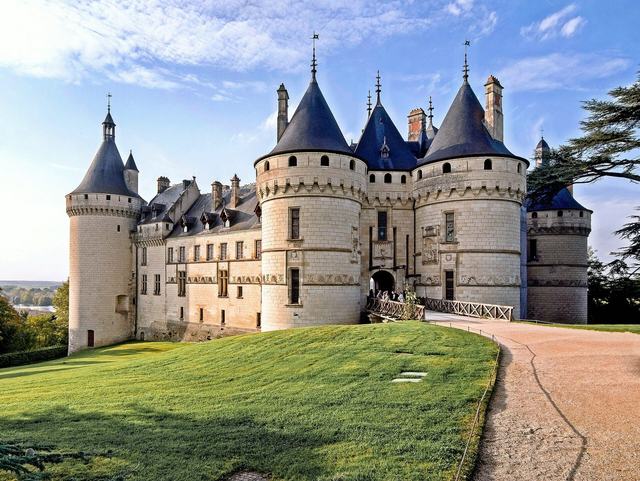
The château de Chaumont-sur-Loire, which overlooks the Loire Valley classified as UNESCO World Heritage, illustrates both the defensive architecture of the Gothic period and the pleasure architecture of the Renaissance.
View full page →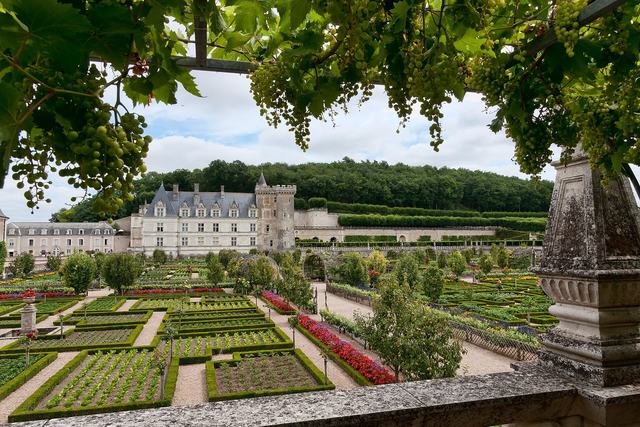
Villandry, completed around 1536, is the last of the great Loire castles built in the Renaissance in the Loire Valley. Villandry was built by a finance minister of Francis I, Jean le Breton.
View full page →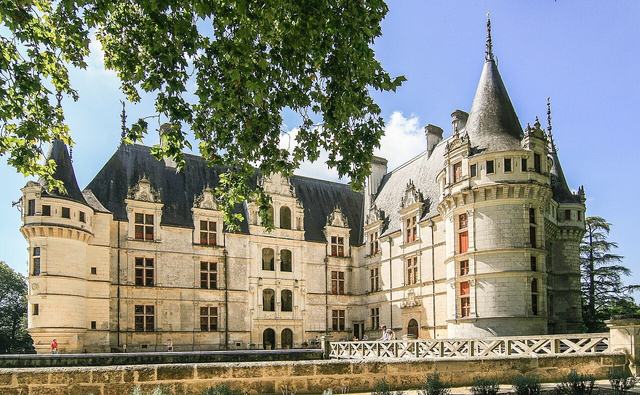
Located in Touraine, it belongs to the prestigious line of Loire Valley châteaux.
View full page →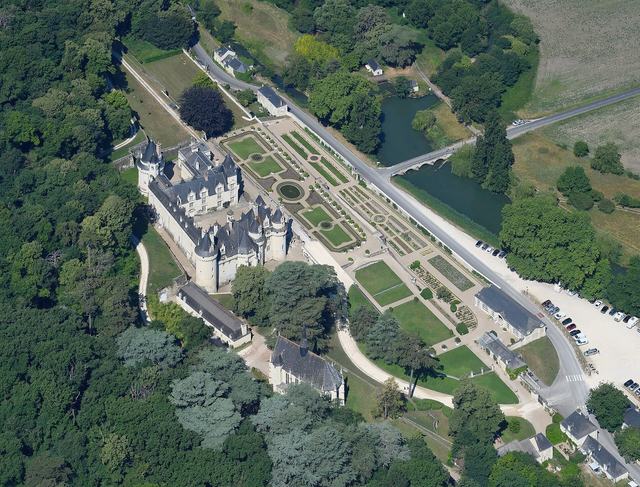
The Château d'Ussé overlooks the Indre. It is built halfway up the slope, on the south side of the valley.
View full page →
In Touraine, on the banks of the Loire, the château de Langeais dates from the late Middle Ages with its wall-walk, drawbridge and imposing towers.
View full page →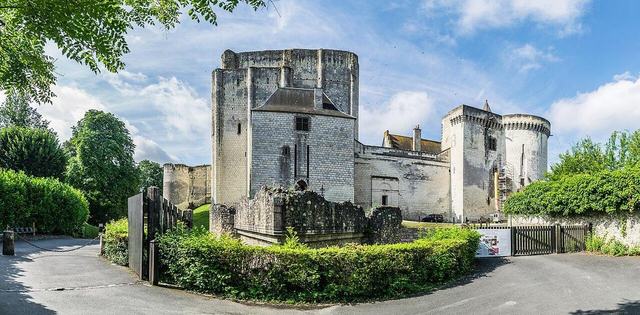
The Château de Loches is one of the most representative cases of the evolution of feudal architecture.
View full page →
Home of the Dukes of Anjou in the fourteenth century, then residence of the town's governors, a prison, and an arms and munitions depot, the Château de Saumur was bought by the town in 1906 to house the municipal museum.
View full page →
This colossus of tuffeau and slate piles up superlatives: 17 towers, a kilometre of walls, 1,000 years of history, plenty of activities and the largest medieval tapestry in the world.
View full page →
Taller than all the royal castles, Brissac, with seven storeys and 204 rooms, deserves its nickname of giant of the Loire Valley.
View full page →