Photo : Charliemoon / Wikimedia Commons (CC0)
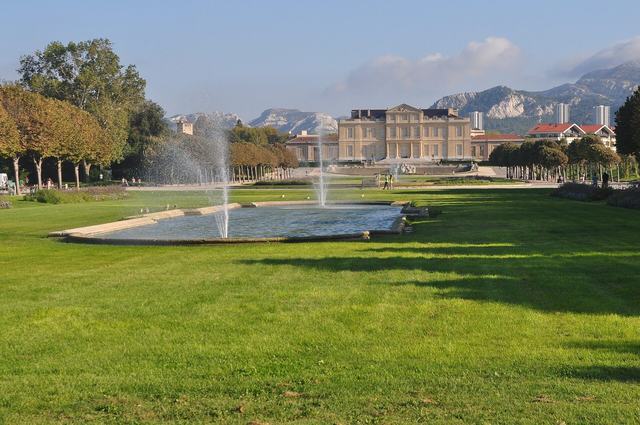
Château et parc Pastré
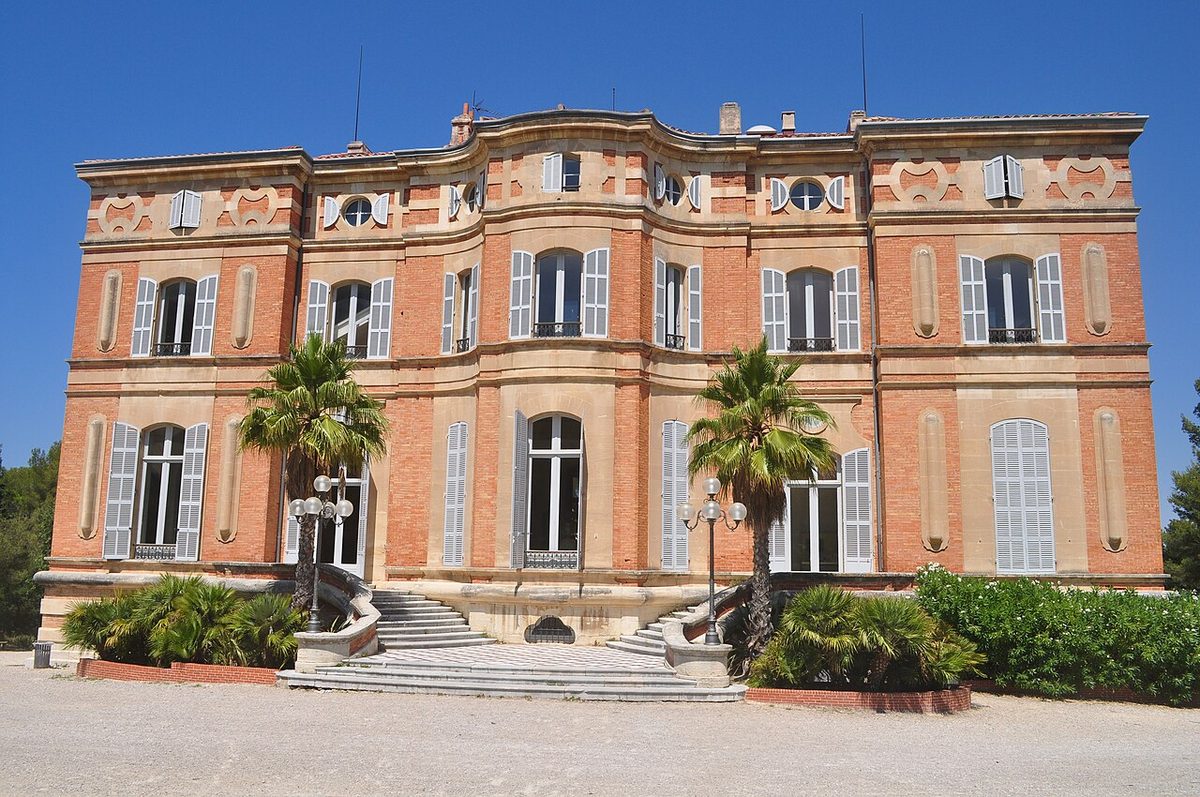
Completed in 1862 for the merchant Eugène Pastré and his wife, this château of stone and pink brick is a large Provençal bastide surrounded by an estate that stretches up to the first slopes of the Marseilleveyre massif. During the Second World War, Countess Lily Pastré made it a refuge for artists and for many Jews trying to leave France, among them the pianist Clara Haskil and the harpist Lily Laskine.
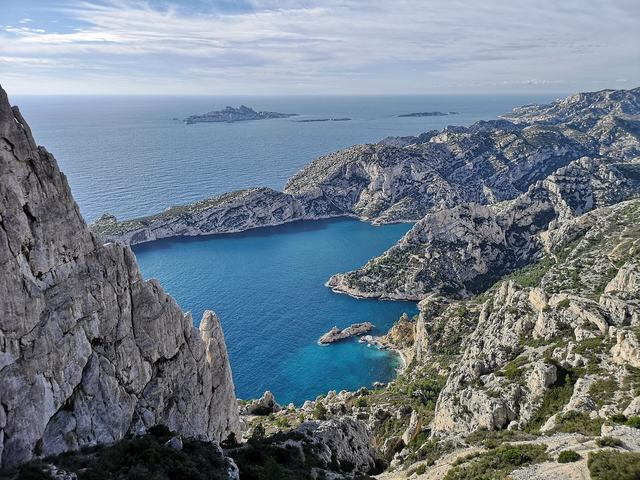
Given to the city after the war, the château housed the Faience Museum until 2013 and is now closed to the public. But the 'Campagne Pastré', a vast park of pine woods, meadows and shady paths, remains one of the green spaces Marseille residents love most, and a starting point for hikes towards the calanques.