Village troglodytique de Troo
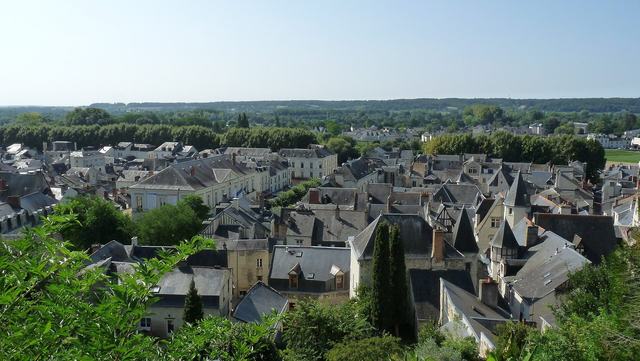
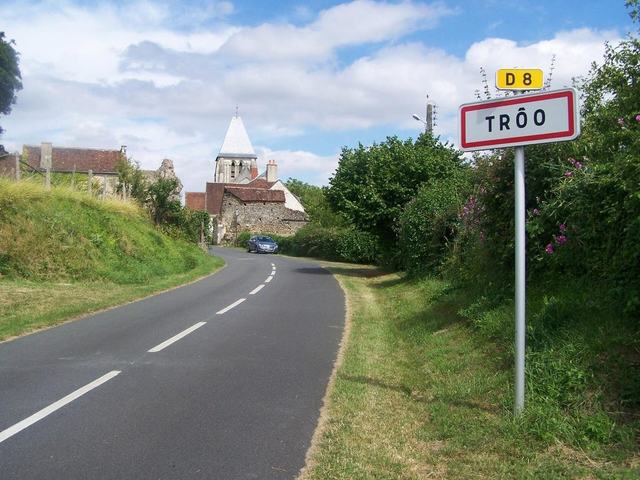
Troo is probably the most picturesque troglodyte village in the Loir Valley. This village was built on a cliff whose almost vertical face descends to the Loir.
View full page →Dug straight into limestone or tuffeau rock, troglodyte villages bear witness to an ingenious way of living, long kept up to protect against cold, heat or invasions.
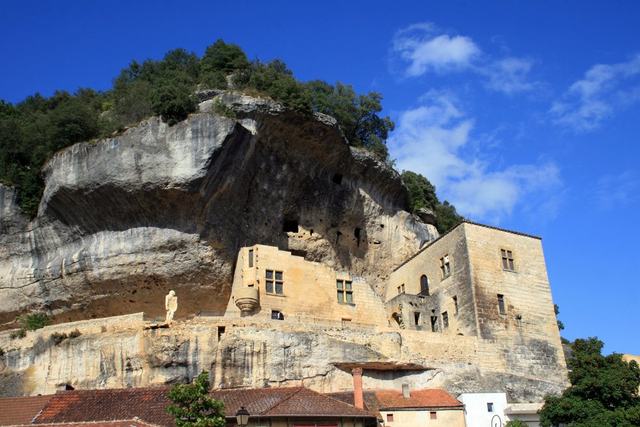
From Troo in Loir-et-Cher to Les Eyzies, the world capital of prehistory, this selection brings together villages where stone and dwelling are one, between inhabited cliffs and towns built into the rock face.
Places often still inhabited today, to be visited with respect for their residents.
Troo is probably the most picturesque troglodyte village in the Loir Valley. This village was built on a cliff whose almost vertical face descends to the Loir.
View full page →
A village nestled at the foot of high troglodyte limestone cliffs, nicknamed the "world capital of prehistory" for the exceptional density of its Palaeolithic deposits.
View full page →
In the heart of Haut-Quercy, as if clinging to a mighty cliff rising 150 metres above the deep Alzou valley, this small Marian town has been a renowned place of pilgrimage since the twelfth century.
View full page →
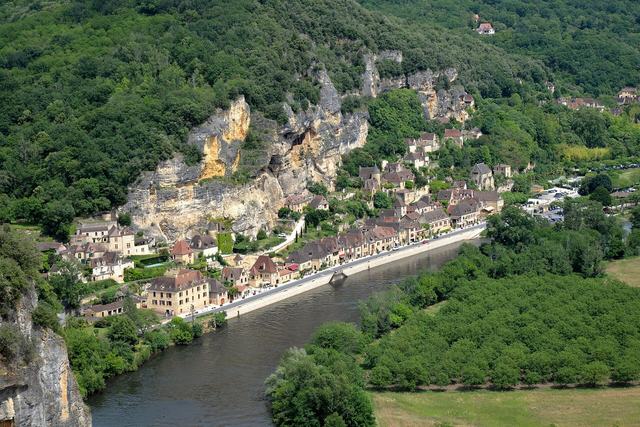
In the Middle Ages, La Roque-Gageac had 1,500 souls. At that time, the Dordogne supported the fishermen and gabariers of the port.
View full page →
7 km downstream from Millau, the cave village of Peyre is remarkable in many respects, notably for its tufa houses, its calades (stone lanes) and its troglodyte church.
View full page →
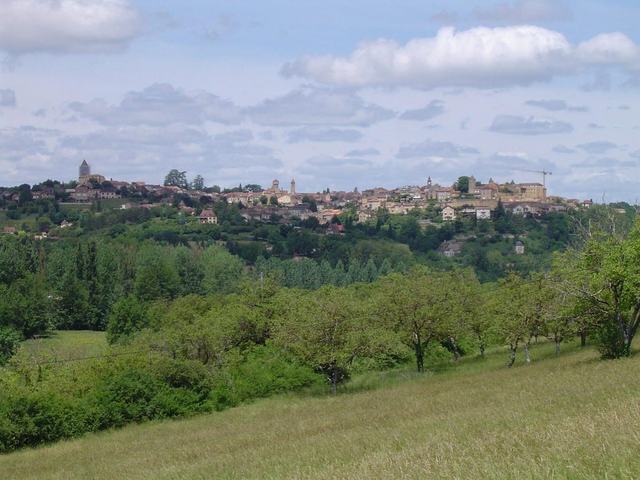
Fortified in the Middle Ages because of its strategic position and nicknamed "the Pope's town" under the protection of Pope Clement V, Belvès keeps the remains of a tormented past: ramparts, Auditeur tower, bell belfry, town hall tower, former bell tower of the Dominican friars' convent, Hospital tower…
View full page →
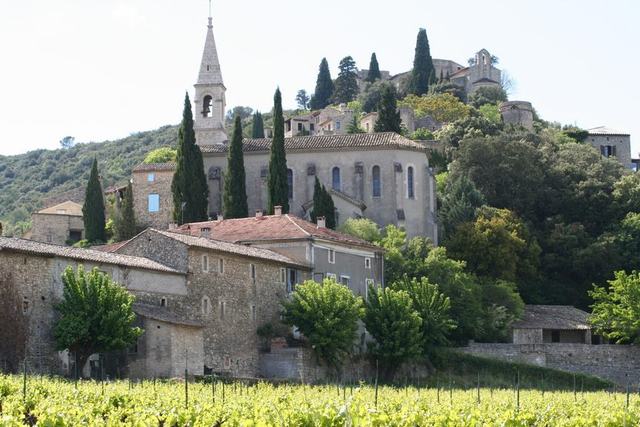
This little medieval village is built on a rocky peak and offers a splendid view of the Sautadet Falls, a site classified as a natural area.
View full page →
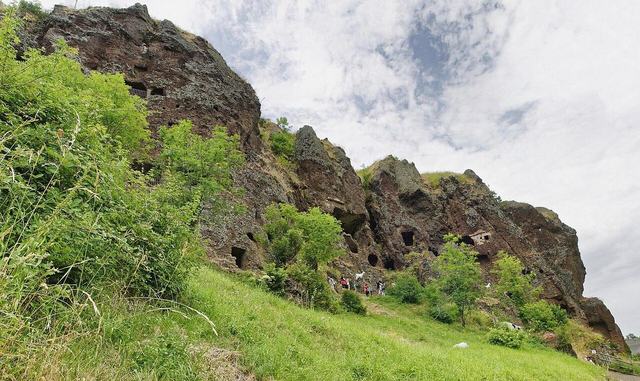
The Jonas caves, dug by man, hold dwellings, a Romanesque chapel, wall frescoes of the ninth to eleventh centuries.
View full page →
In Gaulish "candate" means confluence, and it is at the meeting place of the Vienne and the Loire that the village settled.
View full page →
A medieval town on the banks of the Vienne, dominated by the imposing royal fortress where Joan of Arc recognised Charles VII, surrounded by a renowned vineyard.
View full page →