1
Caves · Lozère
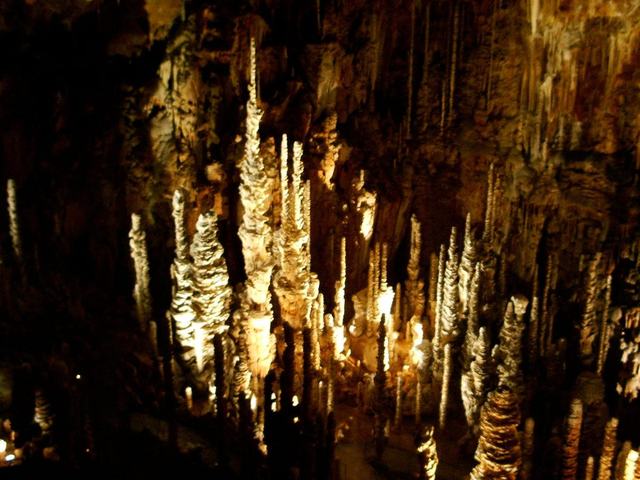
Aven Armand
In September 1897, Louis Armand, Édouard-Alfred Martel and Armand Viré discovered this fantastic cavern for the first time.
View full page →Beneath the limestone massifs of the Lot, the Cévennes, the Vercors and the Pyrenees, millions of years of erosion have sculpted a parallel world: underground rivers, forests of stalagmites, translucent concretions and sometimes cave art tens of thousands of years old.
This selection brings together fifteen of the most spectacular caves and avens in the country, from great underground cathedrals developed for visitors to major prehistoric sites such as Lascaux and Niaux. A way of discovering France from below, at a constant temperature in summer and winter alike.
In September 1897, Louis Armand, Édouard-Alfred Martel and Armand Viré discovered this fantastic cavern for the first time.
View full page →
The Padirac chasm is a natural cavity 75 m deep that opens in the surface of the Causse de Gramat in the Lot, beneath which, at 103 m, flows an underground river.
View full page →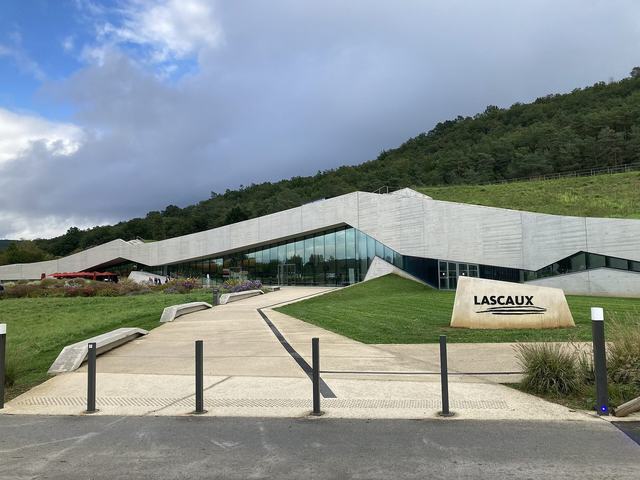
Located in the Dordogne near the village of Montignac-sur-Vézère, in the heart of the Périgord Noir, the Lascaux cave is the masterpiece of prehistoric art.
View full page →
The Aven d'Orgnac, first of all: 30,000 m² of developed caves to visit down a staircase of nearly 800 steps that takes you 150 m underground, to discover a world of concretions, stalagmites and stalactites.
View full page →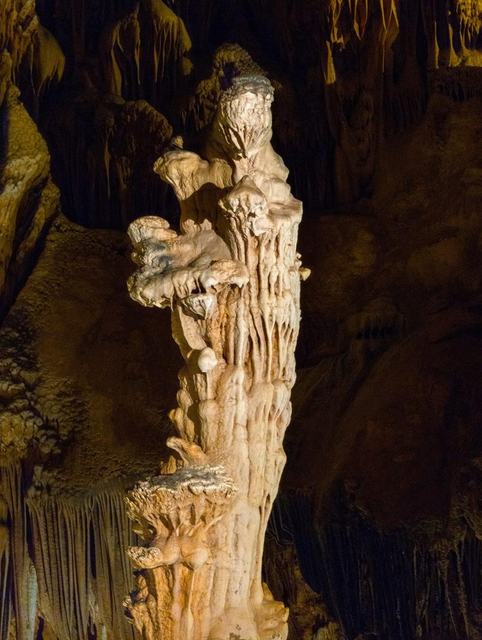
Located not far from the Cirque de Navacelle, this cave is in fact an old aven whose opening is on the Thaurac plateau.
View full page →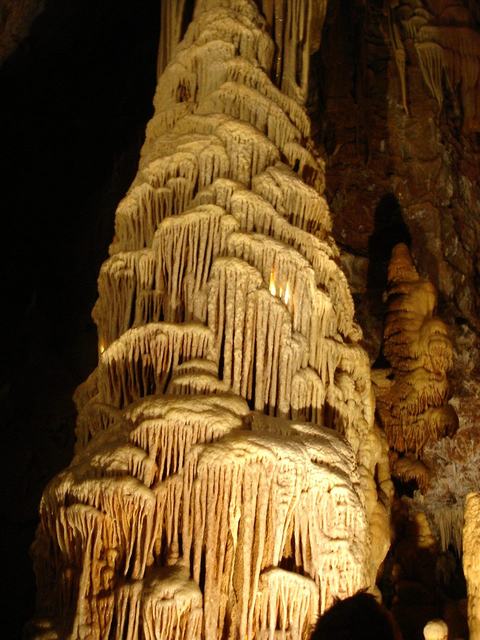
On the Causse Noir, overlooking the Jonte gorges, it is the largest cave of the Causses and the Cévennes and one of the largest underground halls in France.
View full page →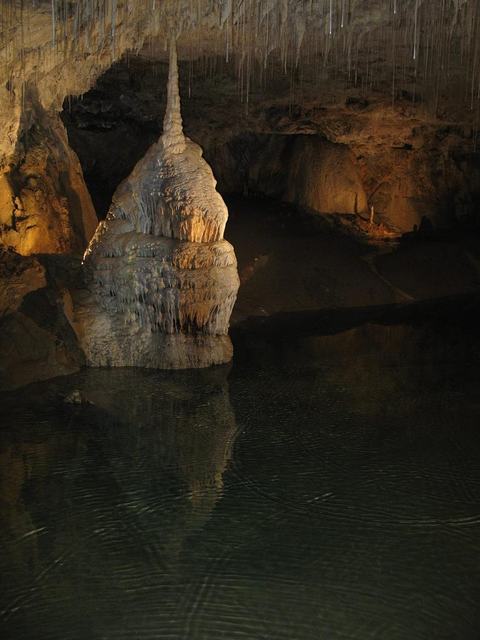
In the heart of the Vercors, explore this cave hidden in the lush nature of the Choranche cirque. The water of the underground lakes and rivers floods the crystalline whiteness of the concretions with emerald reflections.
View full page →
Already famous in the eighteenth century for its terrifying legends, the Proumeyssac chasm was only explored in 1907.
View full page →
The Bétharram caves are among the most beautiful that exist, and certainly the most curious to visit, because in the variety of their aspects they give the key to the formation of almost all caves, dead or fully active.
View full page →
The Aven Grotte de Marzal was reported in 1892 by the master of speleology, E.A. Martel, as a natural wonder.
View full page →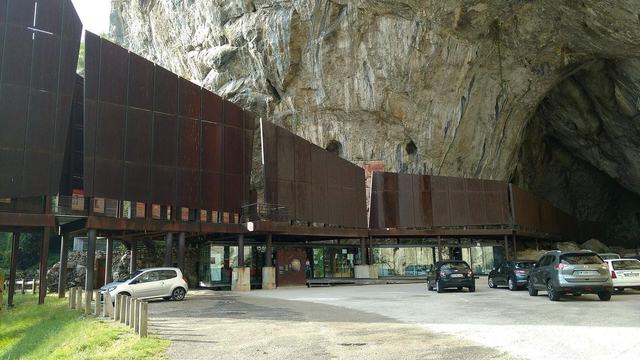
The Niaux cave, universally known, rivals Lascaux for the high quality and excellent conservation of its cave paintings; for nearly 13,000 years the cave has consisted of several moderately concreted galleries with splendid colours.
View full page →
Set into a magnificent cliff overlooking the Vézère, the Grand Roc cave is an exceptional jewel.
View full page →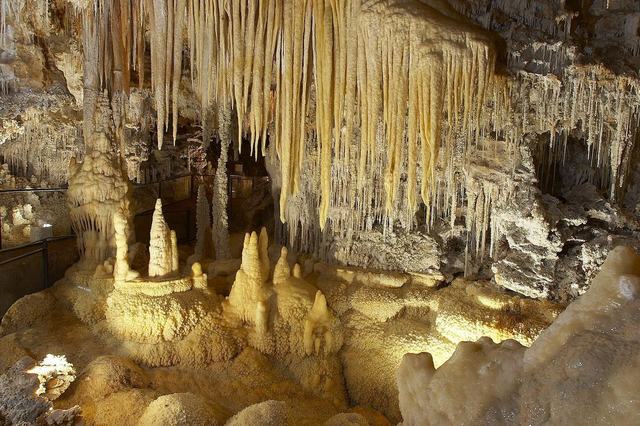
CLAMOUSE, a site classified by the Ministry of Ecology and Sustainable Development, is an essential tourist spot, 35 km from Montpellier, in the GRAND SITE de FRANCE of the Hérault Gorges, near the Pont du Diable and the medieval village of Saint-Guilhem-le-Désert.
View full page →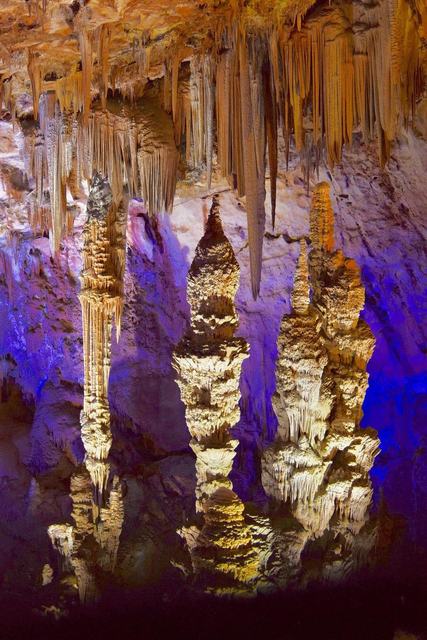
You can discover the site in four ways: the viewpoint with a panoramic view of the cave, the guided tour, the Grand Rappel (50 metres' descent to discover the immense hall from its ceiling) and the Coulisses (two hours of caving adventure in the cave's hidden galleries).
View full page →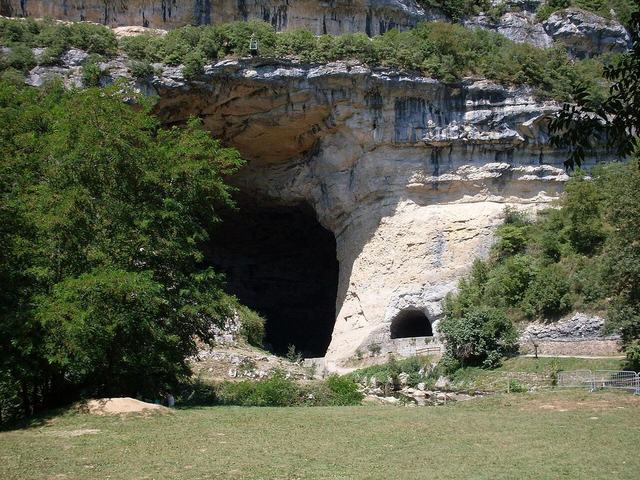
The Mas d'Azil cave: carved in the heart of the Plantaurel range, it offers an underground complex unique in Europe.
View full page →