Photo : Havang(nl) / Wikimedia Commons (CC0)
Château de Taillebourg
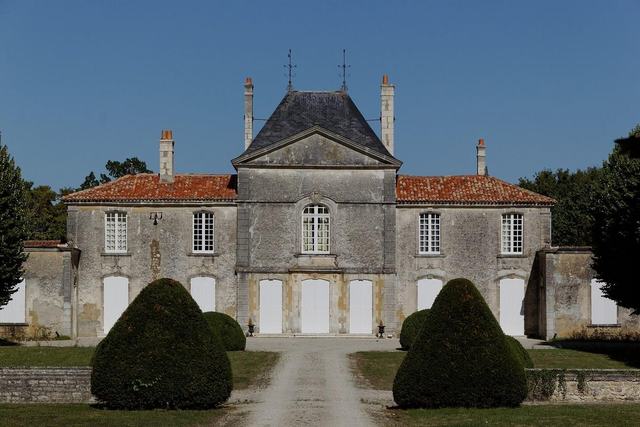
The site of the battle of Taillebourg in 1242 (Saint Louis and Henry III of England). The last fortress of the late fifteenth century destroyed by the wars of religion and during the Fronde (only a medieval tower remains). A new composition in classical spirit: château with its terrace built between 1717 and 1739, outbuildings of the seventeenth century, remodelled in the eighteenth. Estate sold and divided at the Revolution. The château disappeared in a fire in 1822. This château was first a powerful fortress, then a Gothic residence and finally the most important château of Saintonge in the eighteenth century. The château with its terrace, built between 1717 and 1739, was a large U-shaped building flanked by 2 pavilions covered with mansard slate roofs.
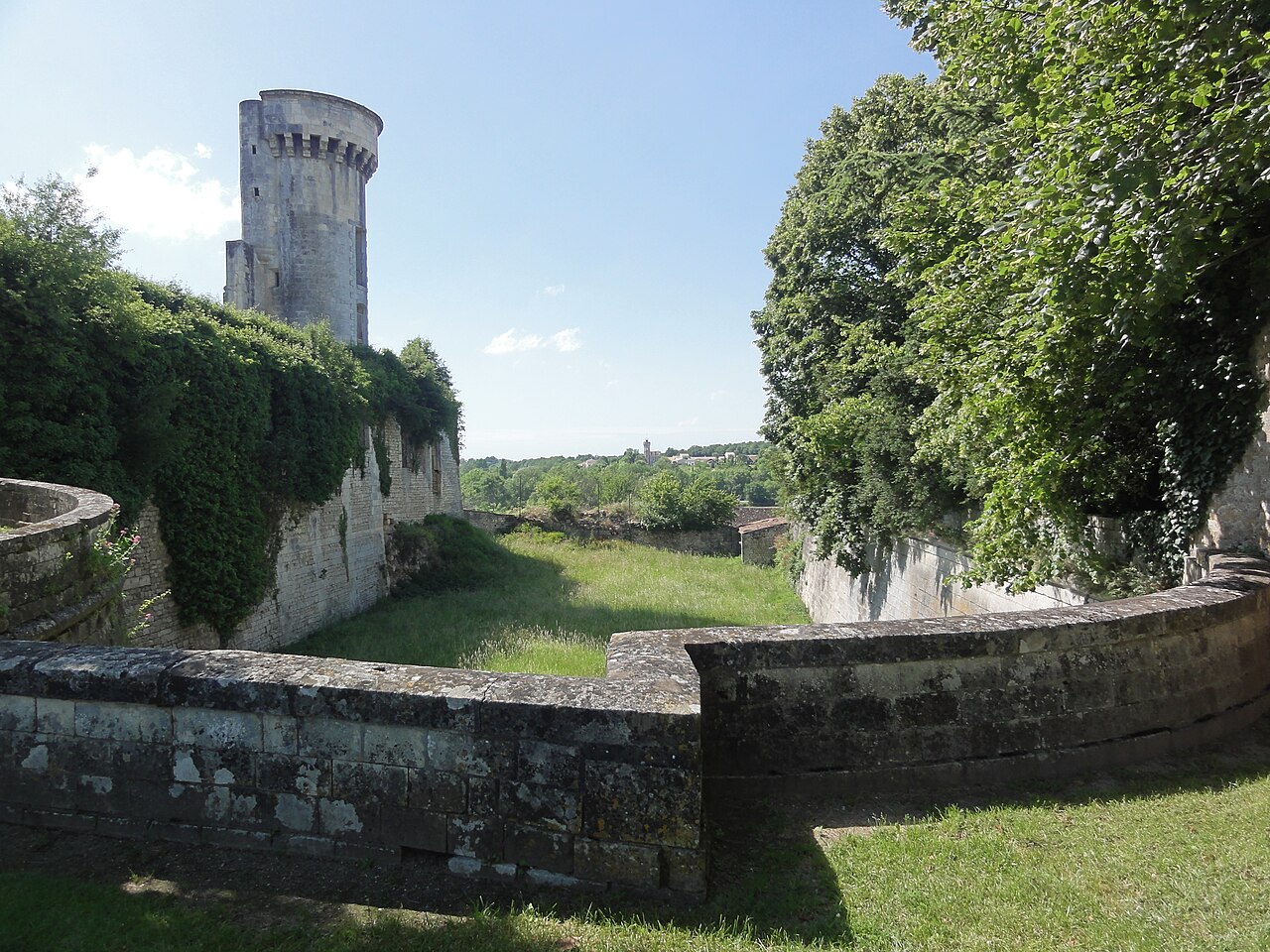
From the fifteenth century only the medieval tower, the terraces and the cellars remain. The remains of the listed fortifications comprise the retaining walls, the ditches and the bridges. Two wings of the eighteenth-century outbuildings have become private residences. In 1714, on the ground cleared by the works, the duke of La Trémoille had a French-style garden laid out; there were also gardens below the ramparts.
An avenue of lime trees leads to the terrace planted with box. Agrippa d'Aubigné reports that Henry IV considered this belvedere the most beautiful terrace in his kingdom. The banks of the Charente are planted with poplars, willows and alders and the meadows keep the mark of the Saint-James causeway dating from Roman times.
Protected elements: façades and roofs of the two eighteenth-century outbuildings, entrance pavilion, retaining walls and ditches with bridges remains of the château. Fortifications in their entirety including the ground of the two north and south esplanades and the two terraces to the east that may hold remains of buildings with the park, medieval tower and underground vaulted rooms. Open to visit.