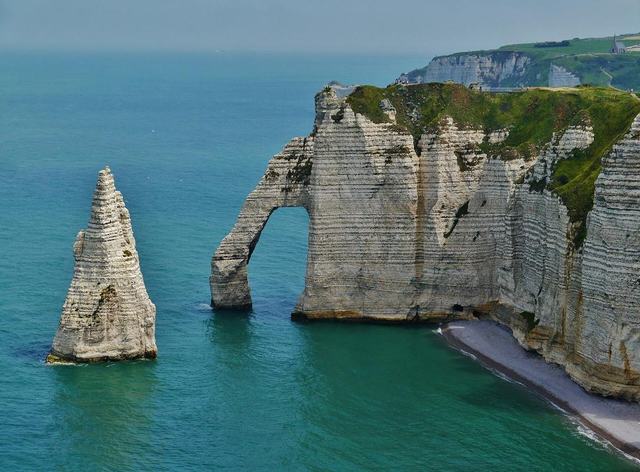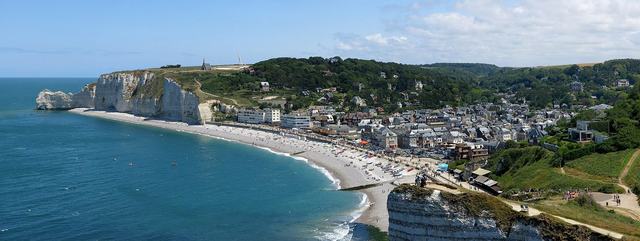
Les Falaises d'Etretat
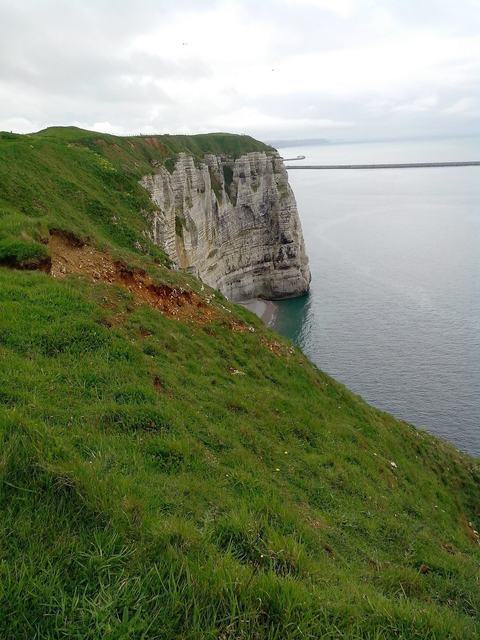
The cliffs of Étretat are an exceptional natural site where the spectacle of cliffs cut into arches, needles and pinnacles will take your breath away.
View full page →Normandy's white chalk, Brittany's pink granite or Corsican limestone: French cliffs offer impressive geological diversity along thousands of kilometres of coast.
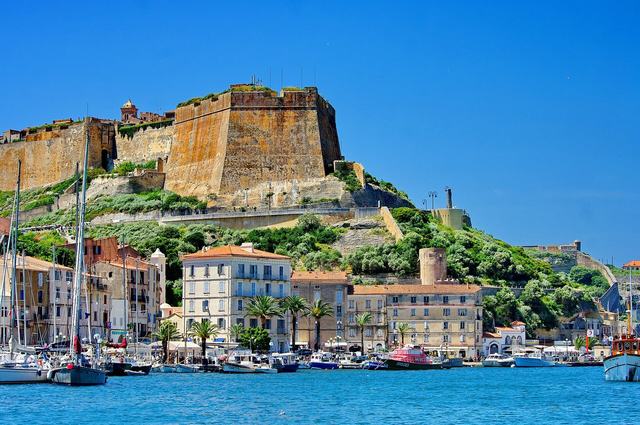
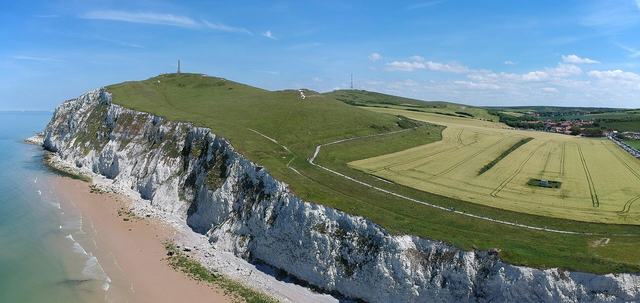
This selection brings together the great classics, from the Aiguille and Porte d'Aval at Étretat to the Bonifacio cliffs rising 70 metres above the Mediterranean, via the emblematic capes of the Opal Coast and the Emerald Coast.
Best admired from a coastal path, never from the immediate edge of the cliff, which is often unstable.
The cliffs of Étretat are an exceptional natural site where the spectacle of cliffs cut into arches, needles and pinnacles will take your breath away.
View full page →
From the top of its cliffs, Bonifacio, the southernmost of Corsican towns, has a thousand years of history.
View full page →
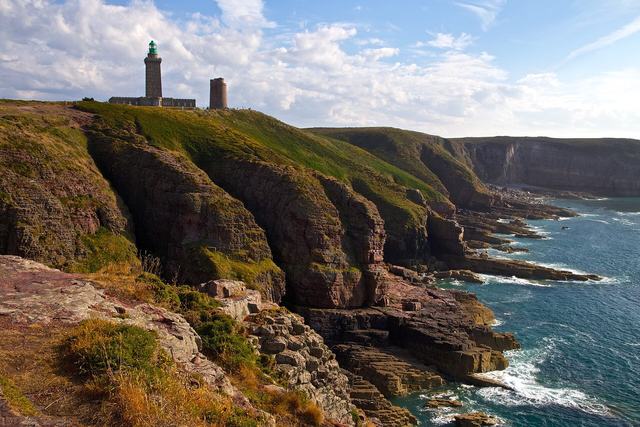
Cap Fréhel is the largest area (nearly 400 hectares) of coastal heath on the French coasts.
View full page →
At Gris-Nez, you will grasp the full meaning of the word passage. Whether in the endless coming and going of boats, the flight of birds or the meeting of water, wind and this greying cliff.
View full page →
Mineralogy enthusiasts all know the famous Cap Blanc-Nez site (Boulogne-sur-Mer area, northern France): the chalk cliffs yield a great abundance of marcasite, crystallised in cockscomb form.
View full page →
The extreme tip of Cap d'Antifer cannot be passed at sea level, even at low spring tide. It is therefore one of the few points on the coast where the foot of the cliff remains inaccessible.
View full page →
The extreme tip of the Cotentin, the Cap de la Hague faces one of the most powerful tidal currents in Europe, the Raz Blanchard. Wild heath, granite villages and the Goury lighthouse make up this harsh, wind-battered landscape.
View full page →
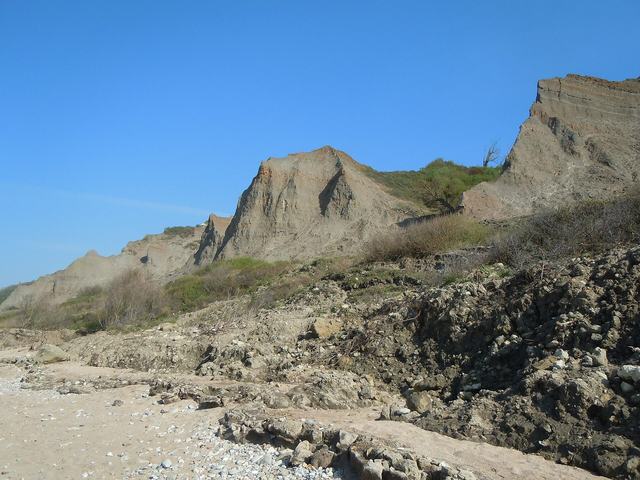
The Vaches Noires in Normandy (Calvados, France) are cliffs made mainly of clays and glauconitic chalk.
View full page →
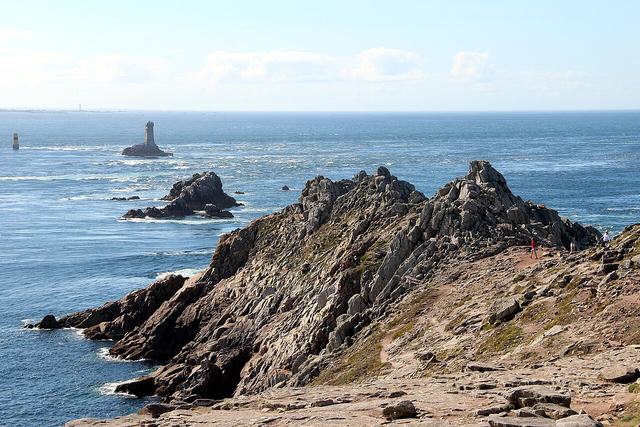
Located at the prow of Brittany in the Cap Sizun country, the Pointe du Raz is one of the most striking sites of the Atlantic coast.
View full page →
Over 130 kilometres, the white chalk of the Pays de Caux rises in sheer cliffs facing the Channel, punctuated by natural arches famous at Étretat. This changing coastline, sculpted by marine erosion, has inspired painters and writers.
View full page →